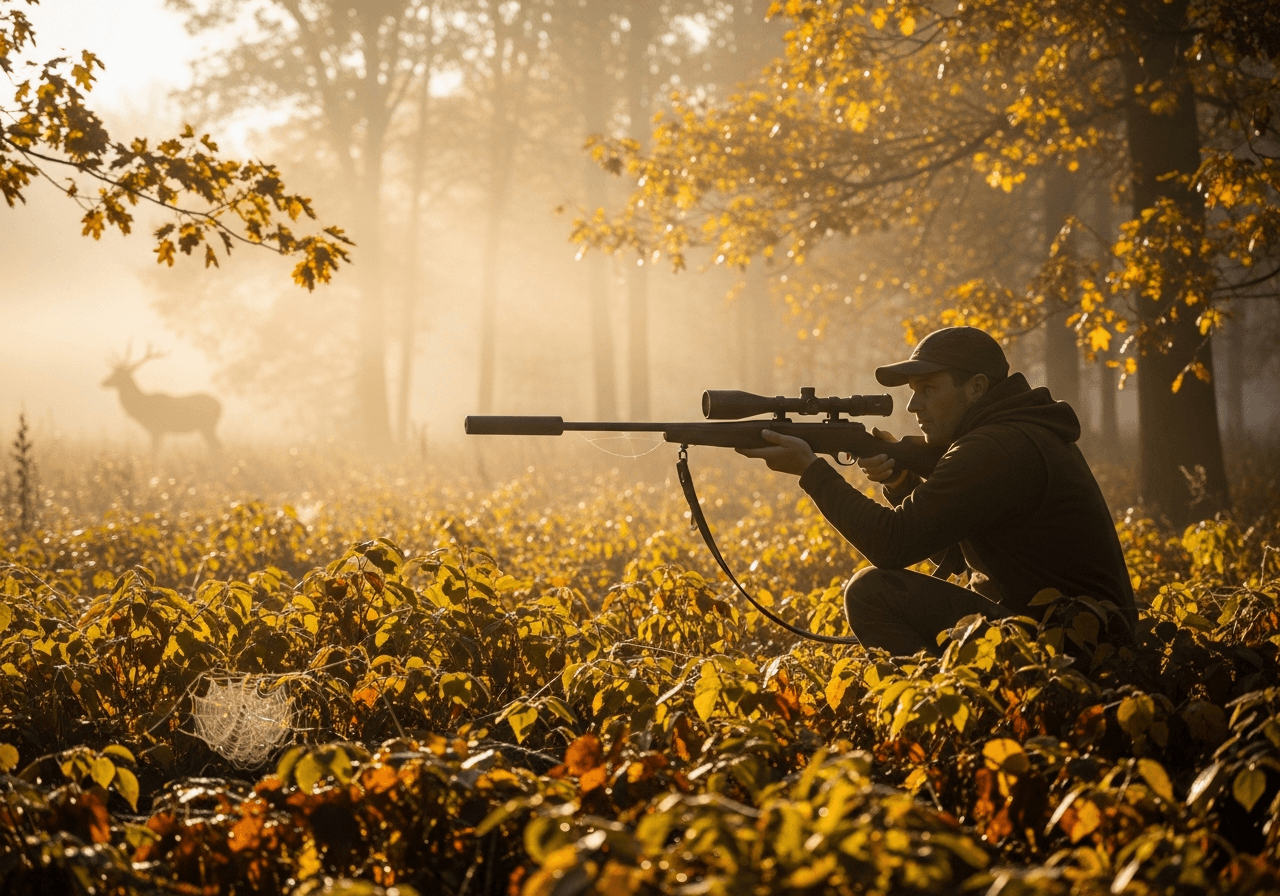
Linda asked me the other morning why I bother getting up at four-thirty when the deer are right there in the field behind the house at noon sometimes. Fair question. I told her the same thing I used to tell new hunters when I was running safety classes for the Wisconsin DNR: animals you see in daylight from the kitchen window are not the same animals that move when they think no one is watching. Knowing the best hunting times is mostly about understanding that difference, and showing up when the woods are actually working.
I have been hunting these northern Wisconsin woods since 1968 and watching them in an official capacity from 1976 to 2014. Some things have changed plenty in that span. Some have not changed at all.
The two windows that still matter most
Dawn and dusk. Twilight at both ends. Every modern movement study I have read, and there have been a lot of them since GPS collars got cheap, still lands in the same place the old timers landed: roughly the last hour of darkness through the first two hours of daylight, and then again the last two hours of daylight into the first thirty minutes of dark.
The reason is not mysterious. Deer, elk, and most upland game evolved to feed when their eyes work better than the eyes of whatever wants to eat them. At dawn and dusk a whitetail can see plenty. A coyote, a wolf, or a person with a rifle scope is working harder. The animals know it without thinking about it, and they have been arranging their day around it for longer than any of us have been around.
If you only have one sit in you on a given day, take the evening. Morning hunts pull deer off the feed and back to bed, which means you are intercepting them when they are already alert and listening. Evening hunts catch them coming out, hungry, with their guard a little lower. Both work. Evening is the more forgiving of the two if you are still learning to sit still.
The solunar question
People ask me about solunar tables all the time, especially since every hunting app on a phone has them built in now. John Alden Knight put out his first tables back in the thirties, and the basic idea is that the moon overhead and underfoot, combined with sunrise and sunset, lines up with peaks of feeding activity.
My honest answer after fifty years: solunar tables are a useful tiebreaker, not a forecast. When two days look about equal on weather and you have one tag and one Saturday, sure, pick the one with a major feed period overlapping legal light. I do that myself. But I have shot deer on flat solunar days and sat empty on five-star ones. Wildlife biologists I worked with at the DNR were polite about the theory and skeptical in private, and the published research is genuinely mixed. Treat the tables like a weather hunch from a guy at the diner. Worth a listen, not worth canceling your sit over.
Weather moves the needle more than the moon does
If I had to rank what actually changes a hunting day, I would put weather above everything else, including time of day.
- A cold front with rising pressure. The twenty-four to forty-eight hours after a front passes, with the barometer above 30.00 and climbing, is the most reliable bump in deer movement I know of. Bucks especially. If you can take a vacation day, take it then.
- The first hard frost. Around here that is usually mid-October, and it changes everything. Mast falls, food sources shift, and deer start patterning more predictably.
- Light wind, steady direction. Five to ten miles an hour, holding. Animals move freely when they trust the air. Swirly wind shuts them down.
- Overcast or light rain. Daylight movement extends. The middle of the day stops being a dead zone.
- Bluebird high-pressure noon in the upper 60s. Stay home and clean your gun. Save the sit for after dark on the forecast.
The rut is its own clock
If you hunt whitetail, the November rut breaks every other rule for a couple of weeks. Bucks chase does at noon, in the rain, in the wind, on full moons, on new moons. The 2025 peak ran roughly November 8 through 18 across the upper Midwest, and 2026 should land in the same window because it always does. Once breeding kicks in, your best hunting times are basically any time you can be in the stand. The dawn-dusk rule still applies, but the midday window opens up wider than it does any other time of year.
Seasons and what is legal where you are
Best hunting times are useless if the season is closed. Wisconsin's 2025-26 gun deer season ran November 22 through 30. Archery and crossbow opened September 13 and went to January 4. The youth hunt sat in mid-October. Other states run their own calendars, and they shift more than they used to. Pull the current regulations off your state DNR site every fall before you assume anything from memory.
While you are on the DNR site, check the chronic wasting disease rules for your county. Wisconsin had baiting and feeding banned in 60 of 72 counties as of November 2025, and the carcass transport rules are strict enough that the citation is $232 per offense. Bone your deer out before you leave a CWD-affected county. I have watched more than one hunter get a hard lesson on that.
Putting it all together
If you are sixty-plus and picking your spots, here is what I would do. Pick one or two prime windows a week. Match them to a weather pattern that favors movement, not just an open Saturday. Get in the stand earlier than you think you need to, sit longer than feels comfortable, and dress for an hour past sunset because that is when the big ones step out. Use the solunar table to break ties, not to make decisions.
One more thing, and Linda will smile because she has heard me say it for fifty years: the best hunting times are the ones you actually get out for. A perfect forecast you slept through is worth less than a so-so morning you spent in the woods. The deer are not waiting on your schedule. They are out there either way.