
What makes a good fishing pole
By Catalogs Editorial Staff
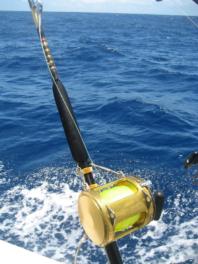
Between the summer heat and midweek blahs, you hear the water call your name. A fishing line and hook look like bliss in your brain, and you can feel the crank of your reel in your hand. Only one thing stands between you and a perfect day of fishing.
You have no fishing pole.
According to the web site Tackle Tour, the angler’s source for tackle news and reviews,
Before you continue reading about the What makes a good fishing pole there is a special announcement we would like to share with you. Catalogs.com has negotiated special medicare rates for our vibrant community of seniors. If you are over the age of 60, you can head over to our Seniors Health Section which is full of information about medicare. All you need is your zip code and a few minutes of your time to potentially save 100s of dollars on your medicare bills.
“The fishing rod is the backbone of your tackle, and the truest extension of your fishing arm.”
But the site assures that choosing the right pole
“…doesn’t have to be taxing, as long as you know what you are looking for.”
They recommend you ask yourself several questions before you head to the store.
- Are you new to fishing or are you experienced and just looking for a new pole?
- How often will you fish?
- Where will you fish – ocean, lake or stream? Or all of the above?
- What kind of fish do you want to catch?
With each fishing trip, you’ll discover more about what type of fishing – fly fishing, for example – you enjoy, how often you plan to fish, and which poles match your fishing style. If possible, try other people’s poles as well as your own to get a feel for a variety of lengths, materials and design.
If you take fishing seriously, you might want a more expensive pole to make sure it’s going to hold up, giving you the response you need over time. Having a pole break at the moment need it most is probably the most frustrating experience you can have on a fishing trip. The more you fish, the better you want your rod to be. Look for high quality fishing poles designed for your fishing style. ~If you plan on fishing regularly, you should also plan on investing in your hobby. If possible, purchase a high grade graphite or fiberglass fishing rod – there are a number of trusted reliable brands available in price ranges from moderate to expensive.
Tackle Tour lists your sensitivity, power and technique as important factors when choosing your fishing pole.
The most important factor, however, is the way you enjoy fishing. If you like to fish with lures and plan to cast and reel all day, you should have a comfortable, flexible rod. On the other hand, if you like to fish with finesse, you really should have a high modulus graphite rod, which will be stiff, fast and sensitive enough to let you feel every tug.
Regardless of what your personal style may be, some points are universal to good poles. So what makes a good fishing pole? Consumer Search lists several things to look for when you choose your pole.
- Get good guides (the hoops attached to the pole that guide the line from the reel to the tip of the pole) for your pole. Usually, they come already attached to the pole. Stainless steel or other high-quality guides won’t rust or chip. A damaged guide slows or even cuts the fishing line.
- Make sure the rod blanks run through the handle.
- Cork handles, according to the experts, help feel nibbles from fish and also have good aesthetic appeal.
- For a strong, light pole, try a graphite rod. Make sure you get good quality graphite. A high-modulus graphite pole will be stiff and thus cast most accurately.
- The length of a good fishing pole for freshwater and light saltwater fishing should range from 5.5 to 6.5 feet.
- The pole should be able to cast 1/4-ounce to 3.8- or 1/2-ounce lures and bait.
Tackle Tour lists your sensitivity, power and technique as important factors when choosing your fishing pole.
The most important factor, however, is the way you enjoy fishing. If you like to fish with lures and plan to cast and reel all day, you should have a comfortable, flexible rod. On the other hand, if you like to fish with finesse, you really should have a high modulus graphite rod, which will be stiff, fast and sensitive enough to let you feel every tug.
Regardless of what your personal style may be, some points are universal to good poles. So what makes a good fishing pole? Consumer Search lists several things to look for when you choose your pole.
- Get good guides (the hoops attached to the pole that guide the line from the reel to the tip of the pole) for your pole. Usually, they come already attached to the pole. Stainless steel or other high-quality guides won’t rust or chip. A damaged guide slows or even cuts the fishing line.
- Make sure the rod blanks run through the handle.
- Cork handles, according to the experts, help feel nibbles from fish and also have good aesthetic appeal.
- For a strong, light pole, try a graphite rod. Make sure you get good quality graphite. A high-modulus graphite pole will be stiff and thus cast most accurately.
- The length of a good fishing pole for freshwater and light saltwater fishing should range from 5.5 to 6.5 feet.
- The pole should be able to cast 1/4-ounce to 3.8- or 1/2-ounce lures and bait.
Popular Savings Offers

Free Catalog
Get your Free Catalog and shop the best selection and collection of Designer Drapery Hardware Products on the Clearance Sale

Designer Drapery Hardware

Free Catalog
Get your Free Catalog and shop the best selection and collection of Sturbridge Yankee Workshop Products on the Clearance Sale

Sturbridge Yankee Workshop
.jpg)
Free Catalog
Get FREE Catalog to browse Cabela's Camping products
.jpg)
Cabela's Camping

10% OFF
Get 10% off when you sign up for texts and free shipping on your first order over $50

The Lighter Side