

Healing through self-hypnosis
By Catalogs Editorial Staff
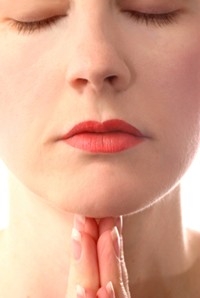
Easy techniques bring big benefits.
Want to indulge in a soothing session of self-hypnosis? Get comfortable. Relaxation is the goal. Close your eyes. Enjoy some long, slow breaths. The subtle whoosh of air escorting each inhale and exhale is the only sound in your head. The maroon curtain behind your eyelids is the velvet backdrop in the theater of your mind. Take more breaths and let each in-and-out bring you closer to restfulness. Now, begin counting.
One, two, three…Release the tension in each part of your body?toes, ankles, legs, arms, torso, neck and head. Go soft, all over. Inhale golden light. Exhale all sadness, stress, anxiety. Hypnosis is most often defined as an induced state resembling sleep, during which a person may respond to suggestions from another person. Self-hypnosis is different. One’s own inner voice is the only guide needed. The technique is a valuable tool for changing habits, improving health and realigning attitudes. Inhale. Exhale.
Before you continue reading about the Healing through self-hypnosis there is a special announcement we would like to share with you. Catalogs.com has negotiated special medicare rates for our vibrant community of seniors. If you are over the age of 60, you can head over to our Seniors Health Section which is full of information about medicare. All you need is your zip code and a few minutes of your time to potentially save 100s of dollars on your medicare bills.
Four, five, six…Feel the calm. It’s as if your body is one with the chair, or the universe. Seven, eight…Encourage your inner voice to share some positive news with your subconscious self: I am refreshed. I am relaxed. I am enjoying this moment and all the gifts in my life. I am calm. Inhale. Exhale. I am relaxed. I am peaceful. Nine. Ten. Breathe.
Benefits of Self-Hypnosis
According to some experts, a similar count in reverse?back to the number one?brings the self-hypnosis exercise to a smooth, gentle close. The backward count gradually raises one up again to full wakefulness, after this personal time-out from life’s hectic pace. Those who regularly flex their powers of the mind to practice self-hypnosis may expect healthy payoffs:
- Heightened relaxation
- Increased self-esteem
- Expanded self-control
- Alleviation of pain
- Cessation of nicotine use
- Mastery of weight control
- Facility at learning new skills
The History of Hypnosis
A look at the grandfather of self-hypnosis?the science of hypnosis?reveals some powerful ancestry. Hypnosis as reported in many reference works harkens back to practices performed at the sacred temples of Aesculapius, the Greek god of medicine.
The Institute for the Study of Health Organizations and Transactions?a California-based group that provides timely information relating to healthcare systems?provides some easy-to-read historical info and a timeline tracing modern developments in hypnosis. The Institute’s online archives mention that hypnosis originated with the temples’ priests whispering words of encouragement to sleeping patients, subjects who later recalled the priests’ communications as words from the gods. It’s satisfying to realize that in today’s modern era, self-hypnosis is available to everyone. And it requires no priests, no Greek gods and no ancient temples.
Visualization Exercises
Once you’re comfortable with the basic relaxation techniques described here, why not accessorize your self-hypnosis experience? Add some visualization exercises. Visualization offers a way to weave colors, textures, scents and other special effects into your self-hypnosis sessions. As your initial 10-count is achieved, why not summon a memory of your favorite get-away place? Perhaps you would imagine yourself walking down a shaded path through a forest of fragrant pines. Stroll down the path until you reach the edge of the sparkling blue lake, just ahead. Step into the cool water. Let every remaining tension float away. Inhale. Exhale. Enjoy.
Visualizations of other scenes during periods of self-guided imagery come in handy for all kinds of occasions. Are you a competitor? A useful visualization might take you to the starting line of the marathon, or onto the tennis court at the next tournament. Feel the surroundings. Know that your strong, capable body is ready for victory. Know you are going to win?in your sport, at your job, in your life. Visualizations used in conjunction with self-hypnosis can serve you in many ways:
- Achieving sales quotas at work
- Expecting luck in love
- Solving financial difficulties
- Controlling labor pains
- Minimizing disappointments
- Diffusing anger
- Recognizing blessings
Tips for Practicing Self-Hypnosis
Are you ready to relax or make some changes of your own? Self-hypnosis is a tool that can be used just about any time and in almost any place. It is an easy activity to practice and one that demands no expenditures for office visits, club memberships, special apparel, nutritive supplements or equipment. Let common sense guide you as to when and where to indulge.
- Do not practice self-hypnosis during rush hour in heavy traffic, or in freefall during parachute jumps out of airplanes.
- Do not use self-hypnosis for controlling pain if the cause needs medic
Popular Savings Offers
Free Catalog
Get your Free Catalog and shop the best selection and collection of Designer Drapery Hardware Products on the Clearance Sale

Designer Drapery Hardware
Expiry Date: 4/30/2024Free Catalog
Get your Free Catalog and shop the best selection and collection of Sturbridge Yankee Workshop Products on the Clearance Sale

Sturbridge Yankee Workshop
Expiry Date: 4/30/2024Free Catalog
Get FREE Catalog to browse Cabela's Camping products
.jpg)
Cabela's Camping
Expiry Date: 4/30/202410% OFF
Get 10% off when you sign up for texts and free shipping on your first order over $50

The Lighter Side
Expiry Date: 4/30/2024
.jpg)





.png?w=3840 "Order Free Catalogs from Alaska Wildland Adventures")
.png?w=3840 "Order Free Catalogs from Alden")
.jpg?w=3840 "Order Free Catalogs from Spa Finder")