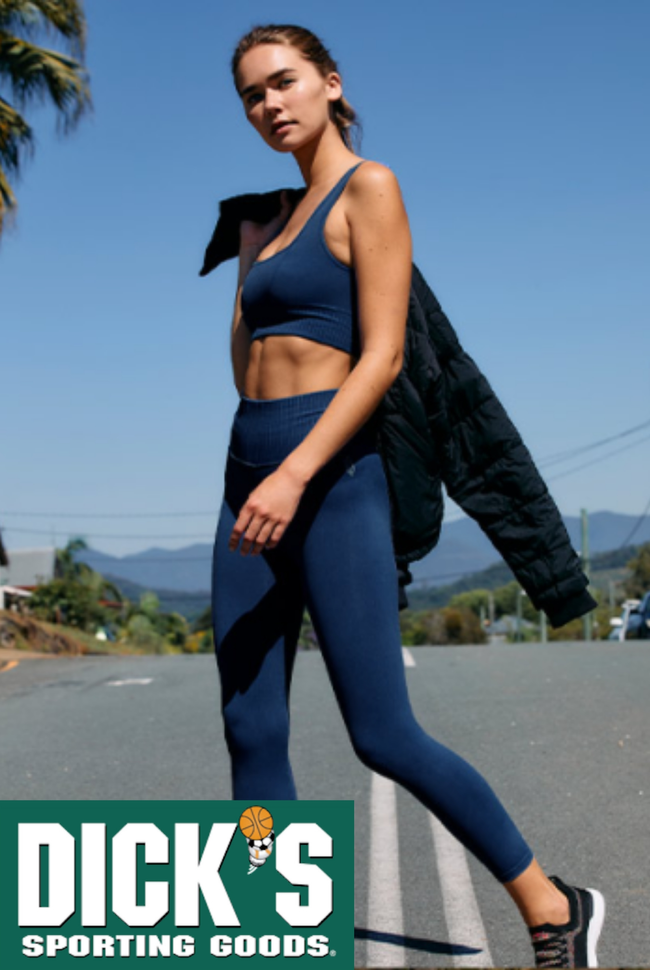

Best of … warm thermal layering
By Editorial Staff
 Contributed by Aurora LaJambre, Catalogs.com Top 10 Guru
Dressing right in winter makes the difference between catching a chill walking to the mailbox and spending hours on the slopes, sightseeing or enjoying almost any other outdoor activity.
The best warm thermal layering will insulate you for hours while feeling soft and comfortable against your skin. You’ll need to wear at least three layers to protect your body sufficiently, and tuck the ends in to winter essentials like thick socks and gloves.
Before you continue reading about the Best of … warm thermal layering there is a special announcement we would like to share with you. Catalogs.com has negotiated special medicare rates for our vibrant community of seniors. If you are over the age of 60, you can head over to our Seniors Health Section which is full of information about medicare. All you need is your zip code and a few minutes of your time to potentially save 100s of dollars on your medicare bills.
Inner Layer by Ibex
Long Underwear

Long underwear sounds hilarious when it’s 90 degrees outside and you’re sipping something frosty by the pool, but in winter it’s no joke. The inner layer, a.k.a. base layer, does the crucial job of insulating and wicking moistures from the skin. You need a snug-fitting base layer for your top and bottom made of merino wool or synthetic materials like polypropylene and silk blends like the super cozy woolies to ensure you’ll stay dry. On the other hand, if you’re only running errands and looking for a simple way to stay comfortable, wear a thermal Henley and light weight winter underpants beneath your jeans and sweater to stay toasty without overheating.
Middle Layer
Thermal Fleece

The middle layer traps warmth. Thicker than your base, a thermal fleece or pullover should fit well or it can’t do its job. Multiple thermal layering is far more effective at keeping you warm than an over-sized sweatshirt no matter how heavy it is. Plus, fitted layers allow you to move easily.
The outdoor pros have been outfitting campers, hikers and other outdoor enthusiasts since 1856. They know what works, and what’s just for show. That’s why they have the fleece layer you need, like this Sandanona wind blocking fleece. Perfect for a middle layer on a really cold day, or all by itself when you need protection from cool weather and biting winds.
Outer Layer
Thick Jacket

The outer layer is the layer people see when you’re outside. This needs to be wind and water resistant, yet breathable so moisture can escape. The best outer layer for you will depend on your purpose and the temperatures. You can always add another middle layer in colder temperatures so choose a lighter weight shell so you won’t overheat once you’re skiing or hiking. Parka pants and jackets are a common sight on slopes for this reason. Winter sports coats range in price from sort of high to very high. Keep an eye out for major sales, particularly for North Face and Columbia brands.
Head Protection
Hats and Hoods

Covering you head and ears helps insulate the entire body, but choosing the right coverage for your purpose and style can be challenging. Forget those wimpy fold-up-in-your-pocket caps. When the snow starts blowing, you want a real hat!
The fur-edged hat will fight against the elements to keep your head warm and cozy without feeling too heavy or constricting.
Protect the Digits
Gloves that fight off the cold

Thermal gloves give you full control of your hands whether you’re driving or working outdoors. For play, choose extra warm technical gloves with a grip (if you’re a skier, winter hiker or just like a good grip) like gloves designed to do the job in comfort and style. Your fingers are vulnerable even during intense activity like running so keep them covered with a wind-blocking material, and save the stylish knit gloves for errands.
Foot Protection
Alpaca Socks and Waterproof Shoes

The best way to keep your feet warm is to keep them dry. Choose waterproof boots made of a breathable material, and remember that fleece and wool socks keep feet significantly warmer than cotton. A great choice is the super soft Pinnacle Baby Alpaca All Performance Socks from Mt. Caesar’s Alpacas. Their socks come in different thicknesses depending on your activity and a softness and comfort synthetic blend socks just cannot match. Choose a boot made for your sport of choice, or try a good hiking boot with warm socks and remember to tuck your pant legs in.
Popular Savings Offers
Free Catalog
Get your Free Catalog and shop the best selection and collection of Sturbridge Yankee Workshop Products on the Clearance Sale

Sturbridge Yankee Workshop
.jpg)


Free Catalog
Get your Free Catalog and shop the best selection and collection of Designer Drapery Hardware Products on the Clearance Sale

Designer Drapery Hardware

10% OFF
Get 10% off when you sign up for texts and free shipping on your first order over $50

The Lighter Side

Free Catalog
Get FREE Catalog to browse Cabela's Camping products
.jpg)
Cabela's Camping











.jpg?w=3840 "Order Free Catalogs from Oriental Trading - Crafts")

.png?w=3840 "Order Free Catalogs from Southwest Strings")