
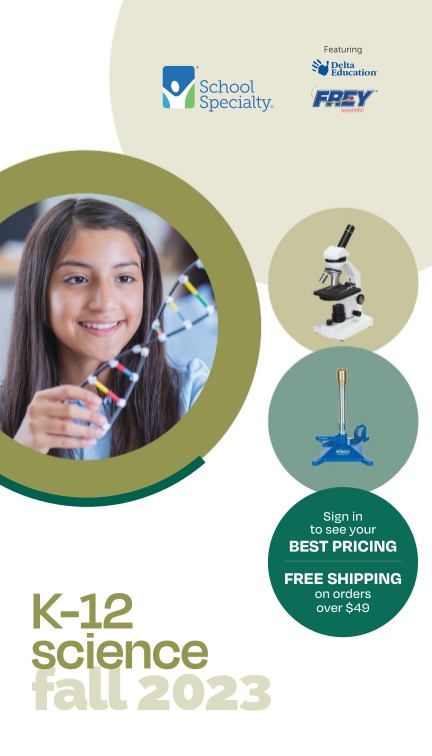
From classroom supplies and learning software to professional development resources and degree programs, education catalogs serve an enormous range of needs. Whether you're a teacher stocking a classroom, a parent supplementing what school provides, or an adult learner looking to advance your credentials, catalog shopping puts a curated selection of educational products and programs at your fingertips — often at prices well below retail.
Classroom and Learning Supplies
Teachers and parents shopping for educational supplies quickly learn that quality matters more than price per item. Manipulatives, science kits, art materials, and reading resources that are durable and thoughtfully designed get used; cheap alternatives often go unused or wear out before they've delivered value. Education catalogs tend to organize supplies by subject and grade level, making it easy to find age-appropriate materials without wading through irrelevant options. Many also carry items that are difficult to find at general retailers, including specialized math tools, phonics resources, and STEM project kits.
Learning Software and Digital Tools
Technology has become central to how students learn and how educators teach. Education catalogs now regularly feature software for reading comprehension, mathematics practice, foreign language acquisition, and coding fundamentals. When evaluating these tools, look for programs with clear learning progressions, built-in assessments, and compatibility with the devices your student already uses. Many educational software publishers offer home licenses at reduced prices through catalog partners — a useful way to access high-quality programs without paying full institutional pricing.
Continuing Education and Degree Programs
For adults looking to advance professionally or change careers, education catalogs offer information on accredited degree programs, certification courses, and professional development resources. Requesting materials from multiple programs lets you compare curriculum depth, delivery format — fully online versus hybrid versus in-person — tuition costs, and the flexibility of class scheduling. Look carefully at accreditation status and graduate outcomes before committing. A catalog that includes testimonials from working professionals who completed a program gives useful context that admissions websites often don't.