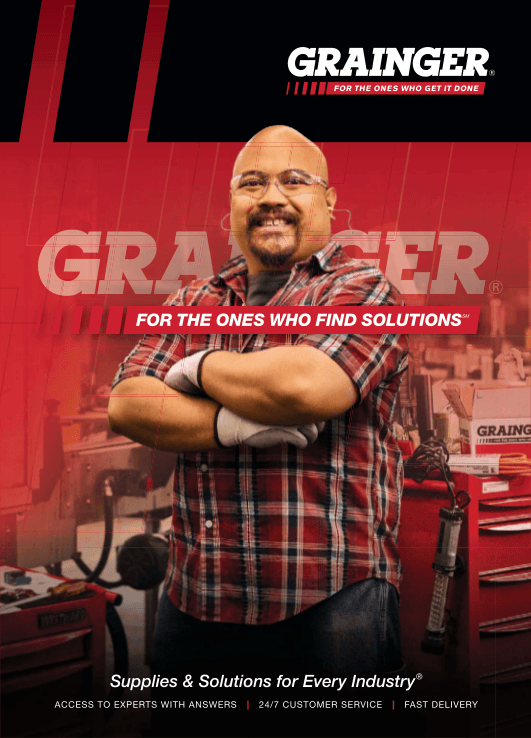
Outfitting a team with reliable tools is a different challenge than personal shopping — your business needs consistent quality across multiple units, clear specs for procurement approvals, and suppliers who can fulfill in quantity without long lead times. Tool catalogs built for commercial buyers put all of that in one place, making it straightforward to source hand tools, power equipment, safety gear, and workshop infrastructure for your operation at once.
Evaluating Tools for Commercial and Trade Use
Tools that see daily professional use face demands that consumer-grade equipment isn't built to meet. When sourcing for your business, prioritize products rated for continuous duty cycles rather than intermittent home use. Look for clear warranty terms that cover commercial applications, since many manufacturer warranties exclude business environments. Catalogs aimed at trade buyers typically surface the specifications your purchasing team needs — torque ratings, material grades, IP ratings for jobsite exposure — without requiring a separate research step before your order.
Bulk Ordering and Fleet Provisioning
When equipping multiple crews, jobsites, or facility departments, standardization pays off in training time, replacement parts, and inventory management. Ordering the same tool models across your organization means technicians already know the equipment, replacement batteries or bits are interchangeable, and your team isn't troubleshooting unfamiliar tools under deadline. Look for catalogs that offer volume pricing, set configurations, and clearly labeled replacement-part availability — these factors matter more to your bottom line than marginal spec differences between competing models.
Managing Tool Procurement Efficiently
Catalog procurement gives your organization a documented paper trail for every tool purchase — useful for asset tracking, depreciation schedules, and insurance purposes. Before placing a large order, request spec sheets for any critical items and confirm lead times, especially for specialty or made-to-order equipment. Factor in protective cases, storage solutions, and personal protective equipment when calculating your total project cost — these items are easy to overlook in individual purchases but add up quickly at scale. A comprehensive tool catalog lets your business address all of those needs through a single channel.