 Digital
 Digital
 Digital
 Digital
 Digital
 Digital
 Digital
 Digital
 Digital
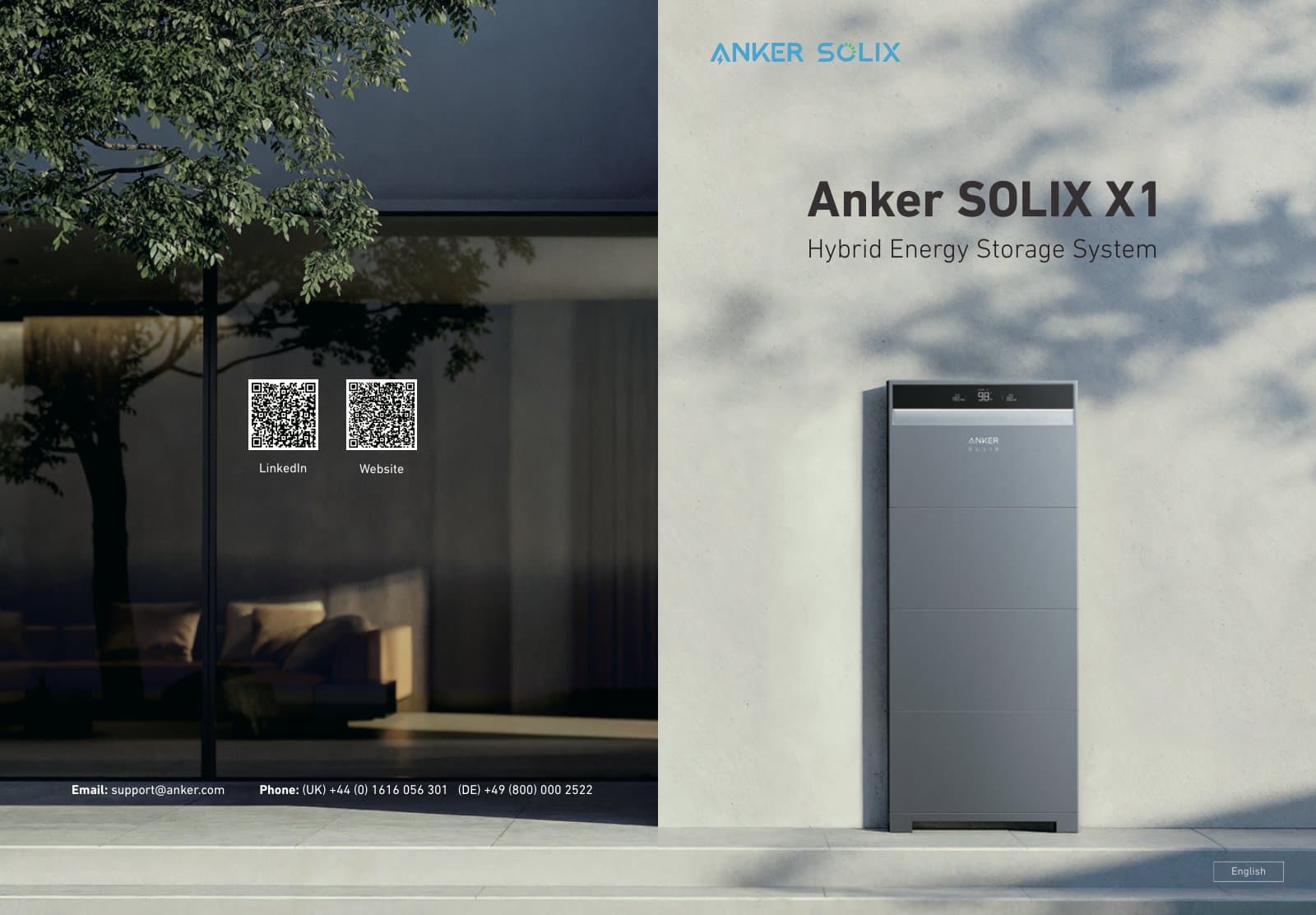
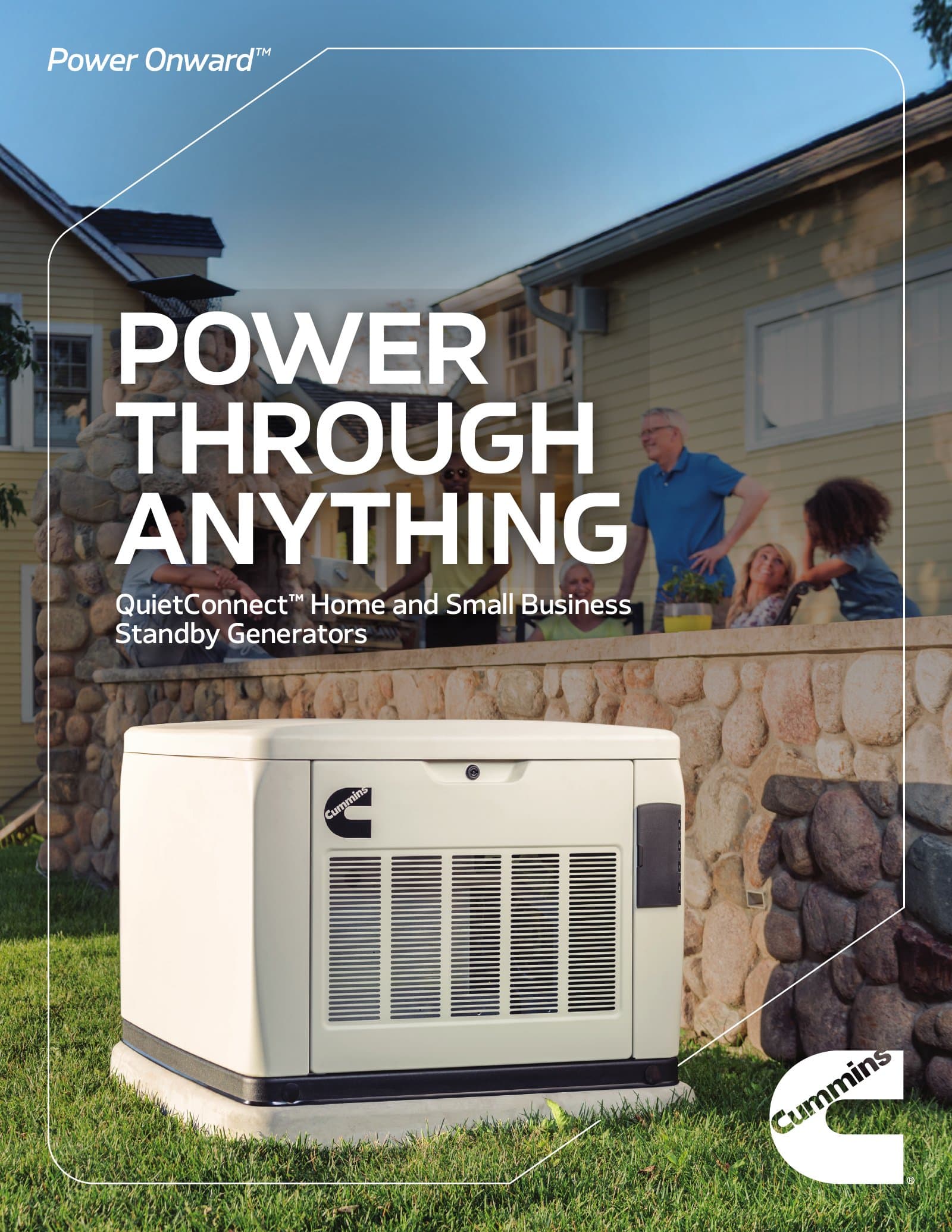
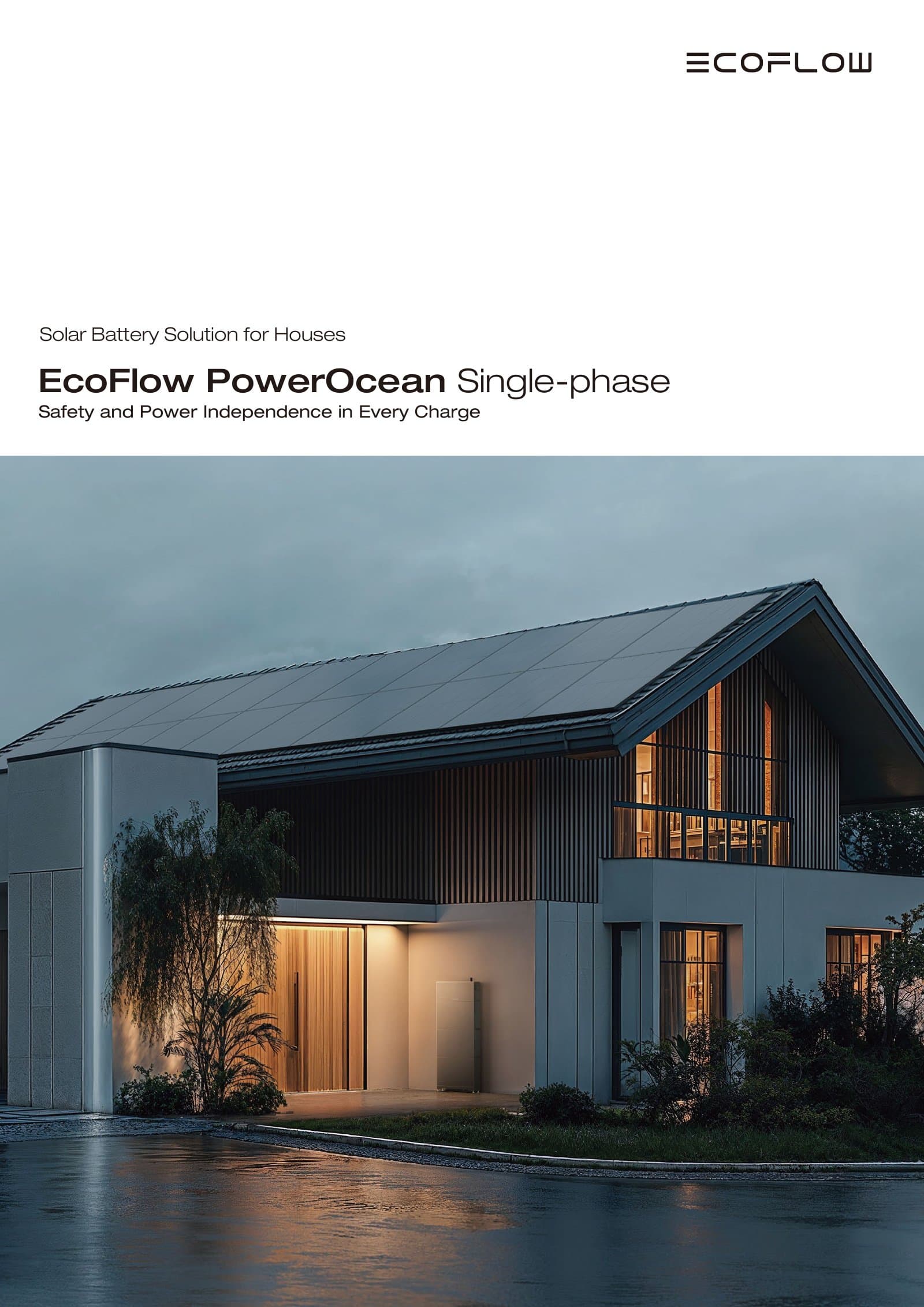
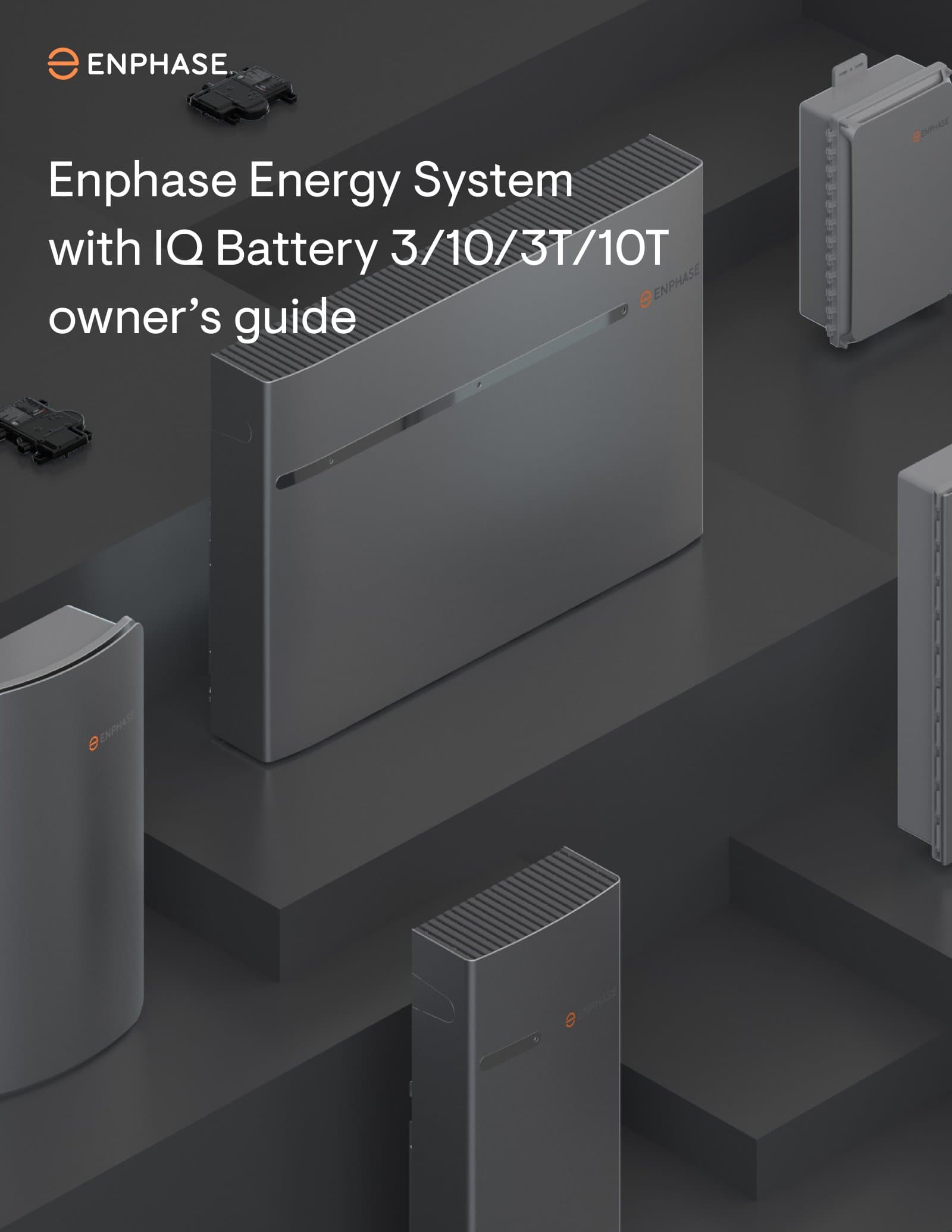
Browse premium home-backup catalogs from Generac Guardian, Generac PWRcell, Kohler Home Generators, Cummins QuietConnect, Tesla Powerwall 3, Enphase IQ Battery, FranklinWH, Anker SOLIX X1, and EcoFlow PowerOcean.
Whole-home backup power is the single biggest resilience investment most homeowners make — a fully installed 22-26 kW air-cooled standby genset runs $12,000 to $18,000 with the transfer switch and gas line, and a multi-kWh home battery system with inverter and load center can land between $15,000 and $40,000 depending on capacity and solar tie-in. The decisions you make about fuel source, kilowatt sizing, transfer switch type, battery chemistry, and load-management strategy shape both monthly utility behavior and how your house performs during a multi-day outage. Request the catalogs below before you spec the install — every brand publishes detailed homeowner brochures covering sizing tables, fuel-consumption curves, transfer-switch options, monitoring apps, and the load-management features that determine what stays on when the grid goes down.
Backup Power Categories at a Glance
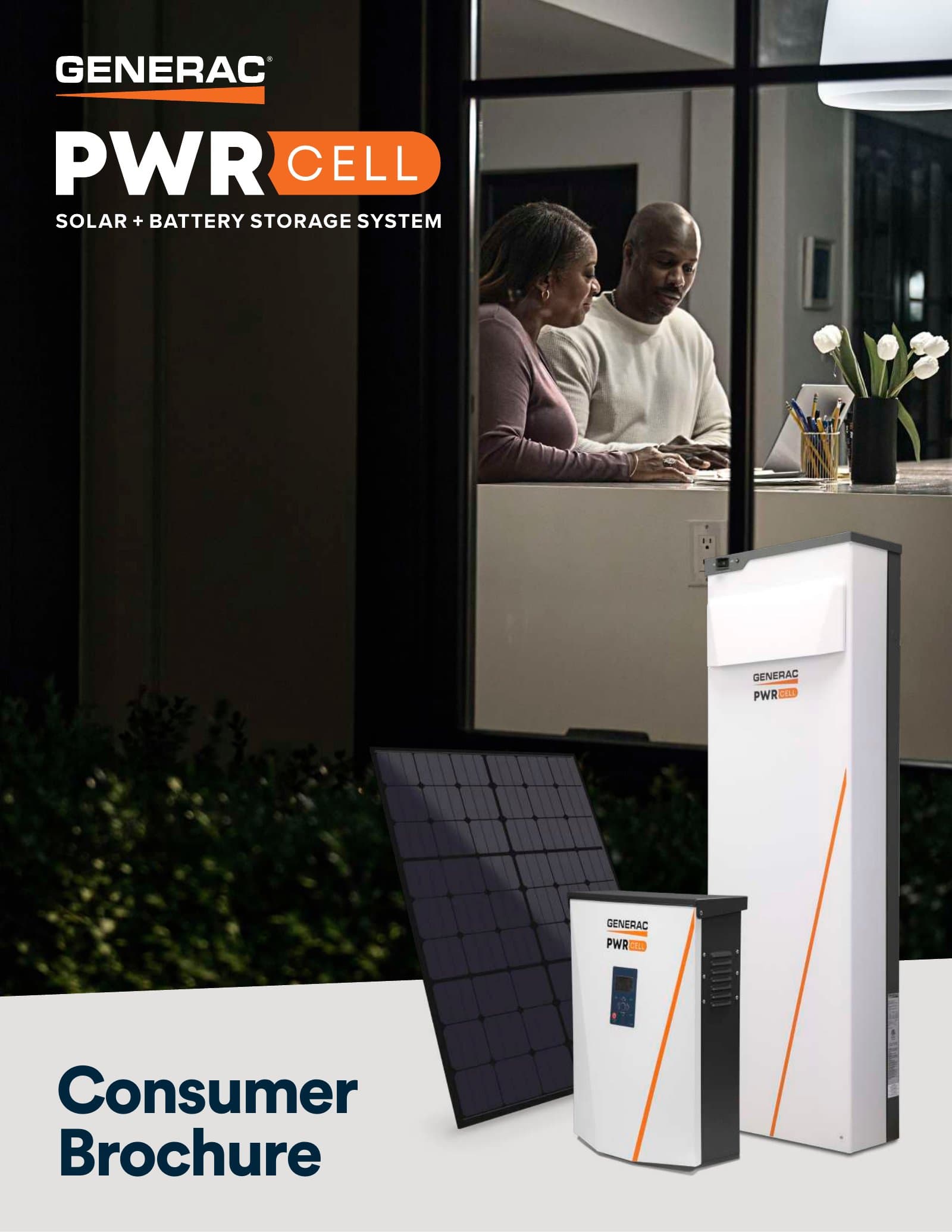
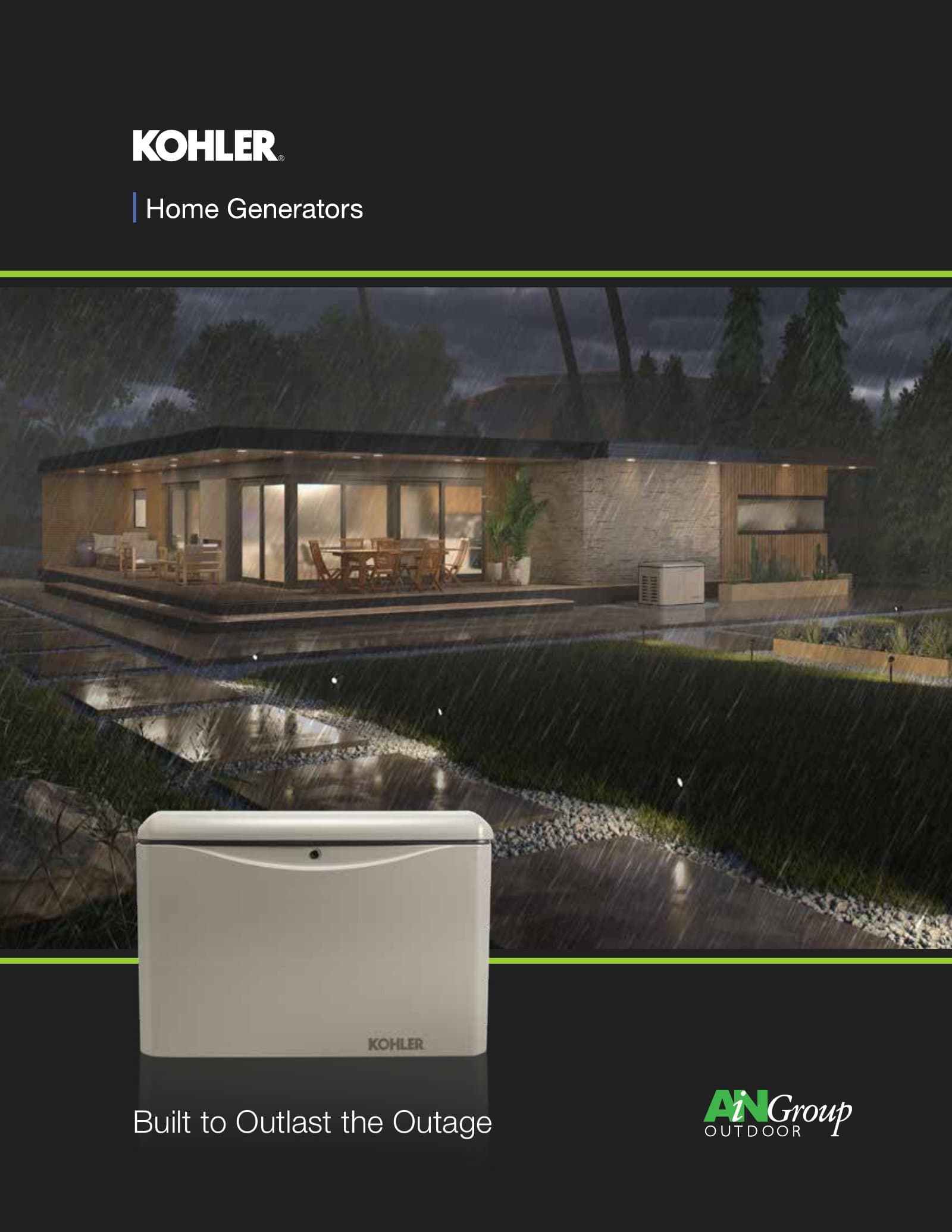
Whole-home standby gensets (natural gas / LP). Generac Guardian and PWRcell, Kohler Home Generators, Cummins QuietConnect, Champion Power Equipment, and Briggs & Stratton Home Generators build air-cooled standby units sized 10 kW to 26 kW for residential service. These sit on a concrete pad outside, run off the home's natural-gas line or a buried propane tank, and start automatically within seconds of an outage via an automatic transfer switch (ATS). Catalogs cover the kilowatt lineup, single-line load-management vs. whole-home transfer, ATS sizes (100 / 150 / 200 amp), Wi-Fi monitoring apps (Generac Mobile Link, Kohler OnCue Plus), and the maintenance kit schedules.
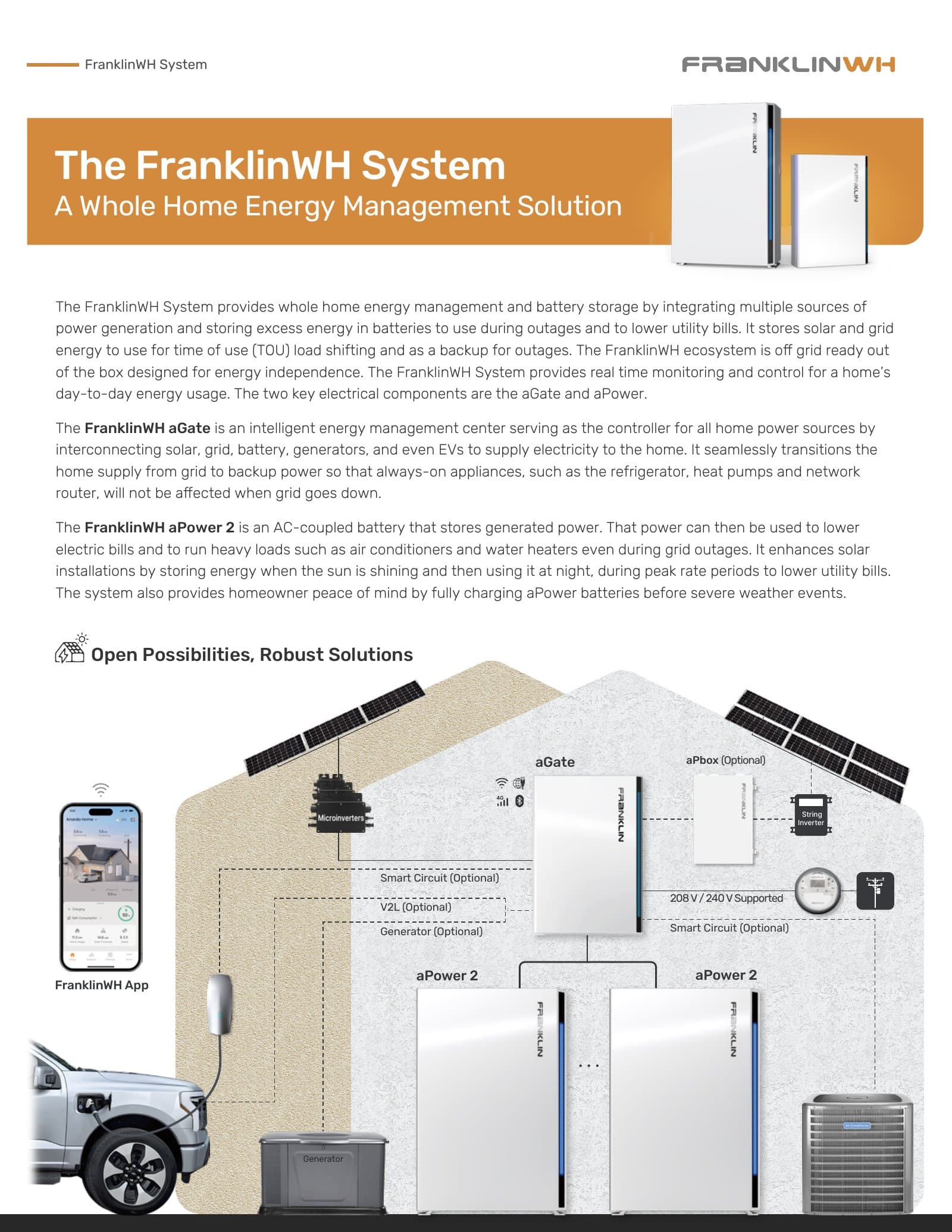
Home battery + inverter systems. Tesla Powerwall 3, Enphase IQ Battery, FranklinWH (aPower + aGate), Anker SOLIX X1, EcoFlow PowerOcean, Bluetti EP900, and Generac PWRcell deliver lithium-iron-phosphate (LFP) or NMC battery storage paired with a hybrid inverter. Capacity per battery module ranges 5 kWh to 14 kWh; stack multiple to reach 30+ kWh for true whole-home overnight backup. Batteries pair with solar arrays for time-of-use arbitrage and provide silent, instant cutover during outages. Catalogs cover usable capacity, continuous and surge output, round-trip efficiency, depth-of-discharge ratings, the controlling app and microgrid interconnect device, and the warranty terms (typically 10 years with throughput guarantees).
Hybrid / dual-system installations. Many premium installs combine both — a 22 kW Generac Guardian for multi-day extended outages plus a 15-30 kWh battery (Tesla, Enphase, FranklinWH) for instant cutover, solar storage, and time-of-use savings. Generac PWRcell is built specifically for solar pairing; FranklinWH's aGate controller orchestrates grid + battery + generator + solar + EV into a single controlled microgrid. Catalogs for whole-home generators and battery systems typically describe these dual-system architectures since installers often quote both together.
Portable premium (transitional). Honda EU7000iS, Yamaha EF series, Westinghouse iGen and WGen 9500, and DuroMax XP12000HX cover the portable inverter and conventional generator market. These run gasoline or dual-fuel (LP+gas) and are sized 5-12 kW. They're not whole-home solutions, but many homeowners start here while planning a permanent install.
What to Look For in a Backup-Power Catalog
The most useful catalogs spell out kilowatt sizing methodology (what runs at the same time during outage — central AC, well pump, refrigeration, EV charging — and which loads can be shed or staggered), fuel source comparison (natural gas runtime is unlimited; LP tanks need refill but offer storage; battery runtime depends on capacity + solar recharge), transfer-switch architecture (whole-home 200 A vs. service-entrance vs. critical-load subpanel, which determines install cost), monitoring and app integration (Generac Mobile Link, Kohler OnCue Plus, Tesla app, Enphase app, FranklinWH app), noise rating in dB (premium units run 60-65 dB at 23 feet — quieter than a dishwasher), and warranty terms (5-year standby warranty is standard for gensets; 10-year throughput-based warranty is standard for batteries). For battery systems, also check continuous AC output (whether the unit can start a central AC compressor), scalability (whether you can add modules later), and microgrid certification (UL 1741-SB, Rule 21).
Sizing a Whole-Home Standby Generator
For most single-family homes, a 22 kW or 26 kW air-cooled unit (Generac Guardian 7042/7291, Kohler 26RCAL, Cummins RS22) covers central air conditioning, well pump, kitchen appliances, and a partial whole-house load with no shedding. A 14-18 kW unit (Generac 7227, Kohler 18RCA) handles a smaller home or a critical-load subpanel with load-management enabled. Liquid-cooled units (Generac Protector series 36-60 kW) cover larger homes, garages, and small businesses with central HVAC + EV charging + workshop tools running concurrently. Request the brochures below for sizing tables, ATS configuration diagrams, and the install-cost worksheets the dealer will use to quote your project.
Sizing a Whole-Home Battery System
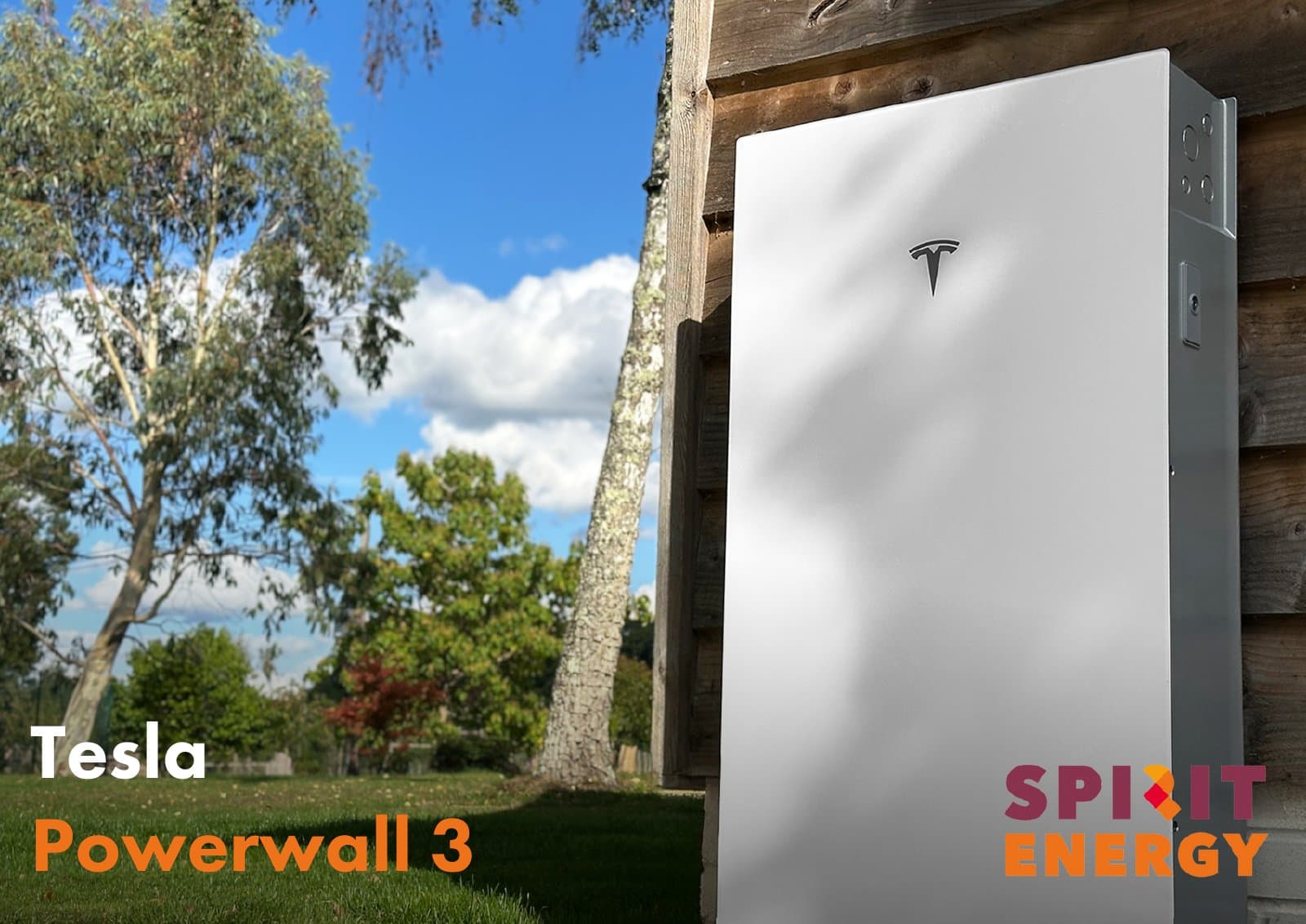
The right battery system size depends on three numbers: (1) Total daily kWh draw (typical US home: 28-35 kWh/day, EV adds 8-15 kWh), (2) Critical-load kWh during outage (refrigeration + lights + HVAC + Wi-Fi typically 8-15 kWh/day), and (3) Solar generation per day (varies by climate; 6-8 kW system produces 25-35 kWh/day in sunny months). For overnight backup only, a single Tesla Powerwall 3 (13.5 kWh usable), Enphase IQ Battery 10C (10 kWh), or FranklinWH aPower (13.6 kWh) is sufficient. For multi-day backup with solar recharge, stack 2-3 batteries for 25-40 kWh. The catalogs cover module dimensions, weight and mounting, ambient operating range, scalability, and the energy-management apps that prioritize what stays powered when capacity runs low.
Solar + Battery Combinations
Generac PWRcell is built for solar-first installs — the inverter accepts up to 7.6 kW solar input and the battery cabinets stack 9 to 36 kWh. Enphase IQ Battery pairs with IQ8 microinverters at the panel level; SunPower Reserve uses the same Enphase IQ architecture. Tesla Powerwall 3 has an integrated solar inverter (11.5 kW continuous, 20 kW peak). FranklinWH and EcoFlow PowerOcean integrate with any string inverter. Anker SOLIX X1 is a hybrid all-in-one inverter + battery system designed for new solar installs.
Free Whole-Home Generator and Backup Power Catalogs by Mail
Most of the catalogs below are mailed free to homeowners. Brochures from Generac, Kohler, Cummins, Tesla, Enphase, FranklinWH, and Anker are particularly worth requesting in print — the lifestyle photography of installed units, the sizing comparison tables, and the load-management diagrams are much easier to evaluate on paper than a phone screen, and most local dealers will reference the brochure edition number when they quote your project.