 Digital
 Digital
 Digital
Eating well starts with quality ingredients, and organic food catalogs make it possible to source natural, minimally processed foods without relying on a specialty store nearby. From pasture-raised meats and heirloom grains to organic pantry staples and natural snacks, catalog shopping connects you with producers and purveyors who prioritize growing and sourcing practices that skip the synthetic additives. It's a practical way to fill a kitchen with ingredients you can feel good about, whether you're revamping your meal routine or simply looking to add more whole foods to the mix.
Building a Natural Pantry
A well-stocked organic pantry sets you up for healthier cooking all week. Look for staples like whole-grain flours, cold-pressed oils, raw nuts and seeds, legumes, and natural sweeteners—items that form the backbone of dozens of recipes and keep well between deliveries. Organic condiments, broths, and canned goods round out a pantry that can handle everything from weeknight dinners to weekend baking. Catalogs specializing in natural foods often carry small-batch and artisan products you won't find on a standard grocery shelf, making it worth exploring categories beyond your usual list.
Sourcing Meat, Dairy, and Fresh Staples
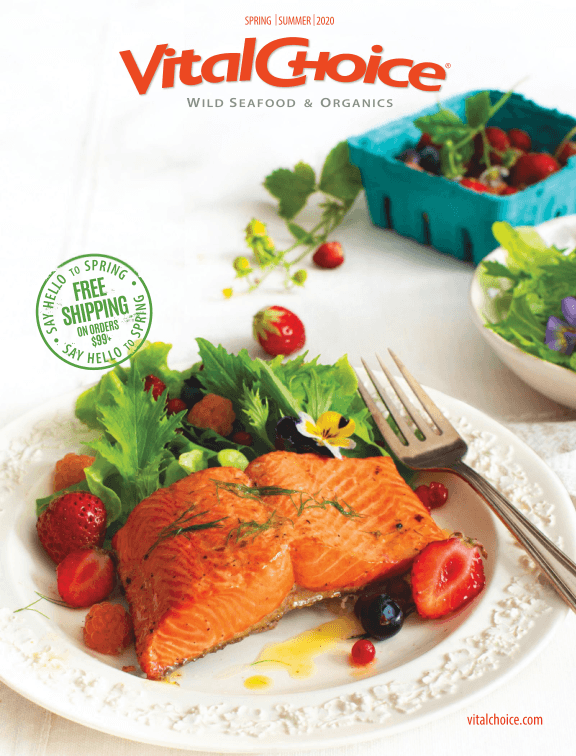
Some of the most meaningful organic upgrades happen in the protein and dairy sections of your diet. Pasture-raised and grass-fed meats, free-range poultry, wild-caught seafood, and organic dairy products offer differences in nutrition and flavor that many shoppers find noticeable. Ordering these through catalogs or mail-order food purveyors gives you access to farms and producers whose practices you can research, often with more transparency than a grocery store label provides. Look for options that arrive vacuum-sealed and frozen to preserve quality through shipping.
Shopping Tips for Organic Food Catalogs
To get the most value from organic food catalog shopping, plan orders around your actual meal rotation rather than buying aspirationally. Shelf-stable items like grains, legumes, and dried herbs are ideal for ordering in larger quantities since they won't go to waste. For perishables, consider the delivery schedule and your freezer capacity before committing to a large shipment. Comparing catalogs across a few categories—produce boxes, specialty meats, or artisan baked goods—lets you mix and match sources for the best quality at each price point rather than locking into a single supplier for everything.