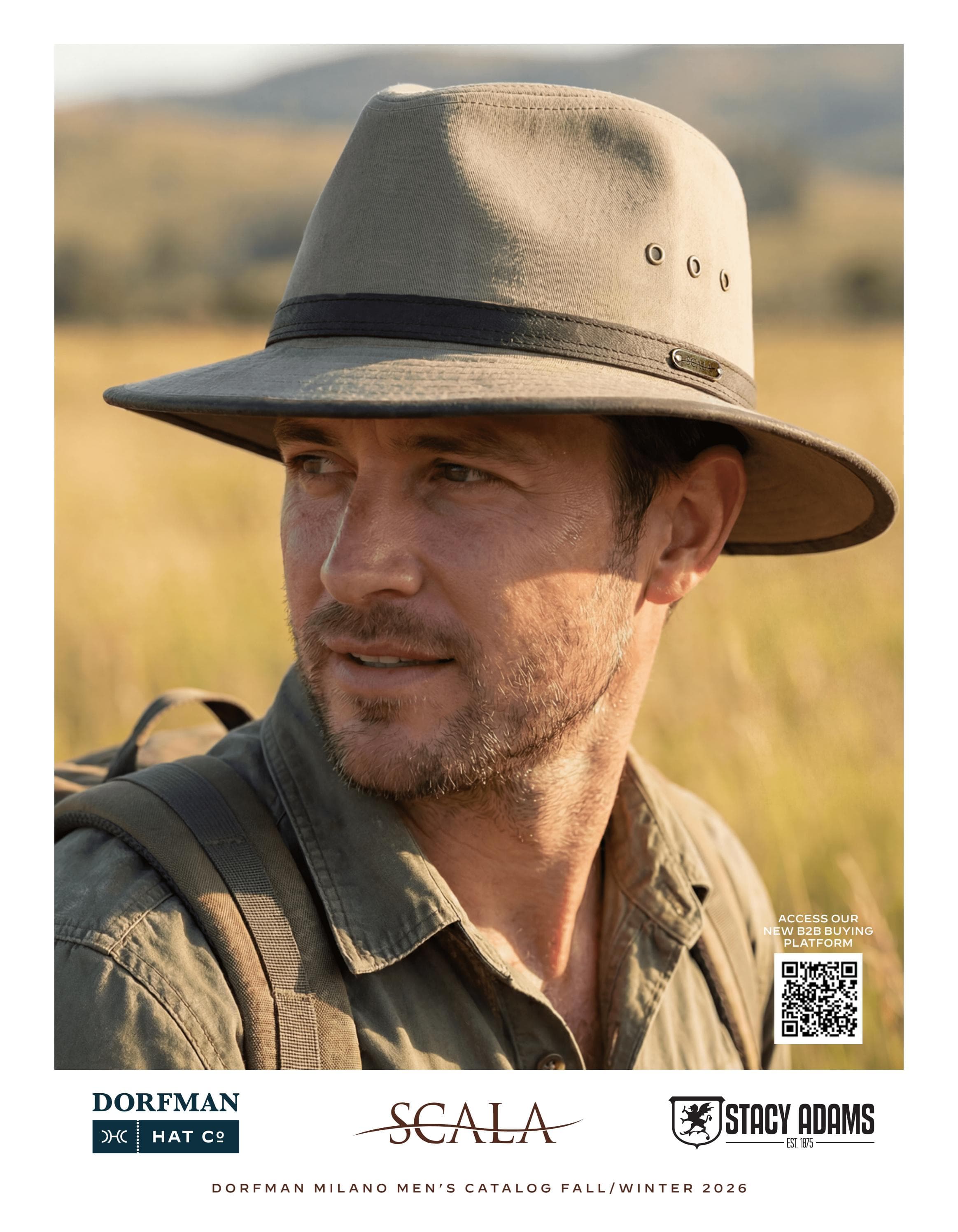
 Digital
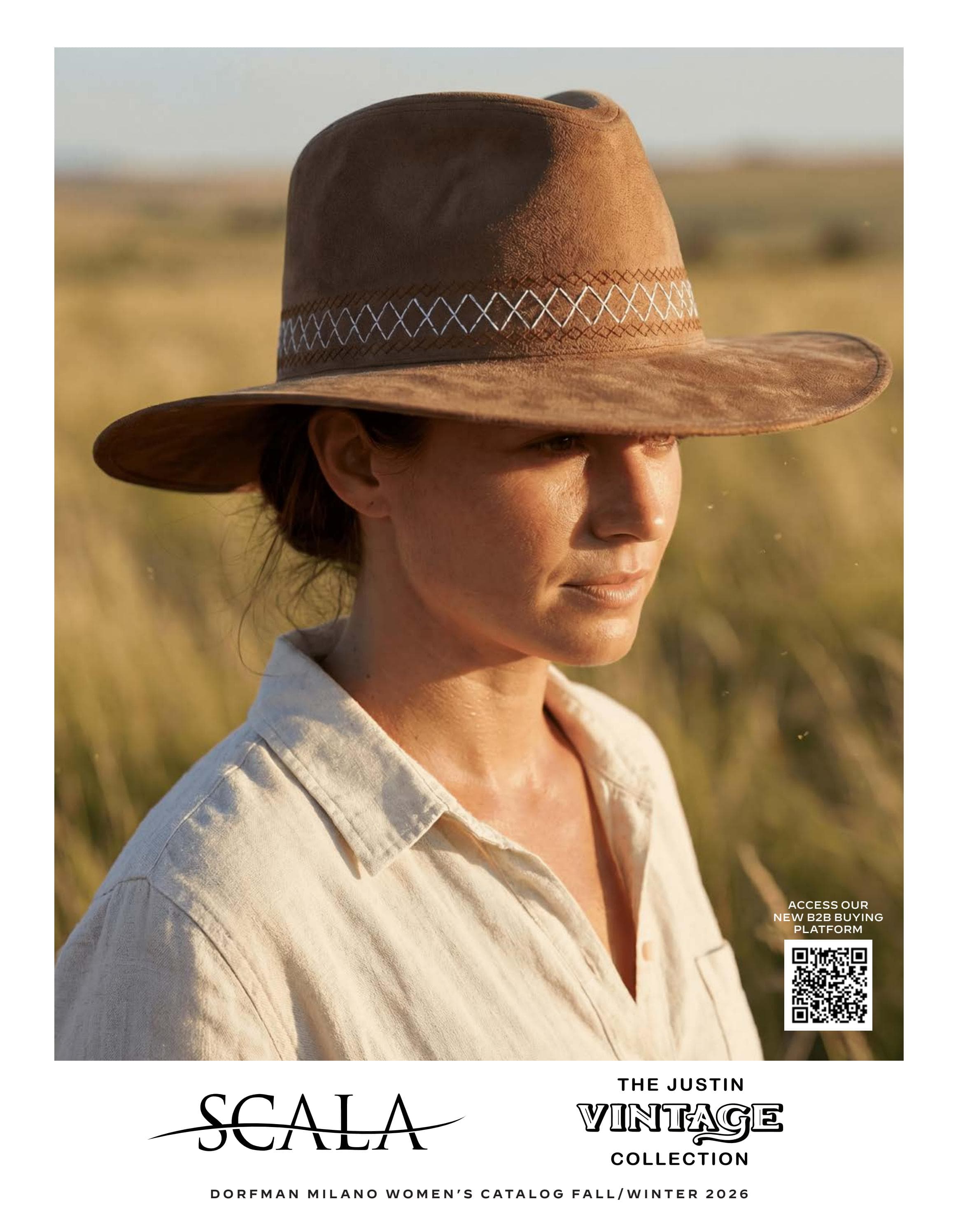 Digital
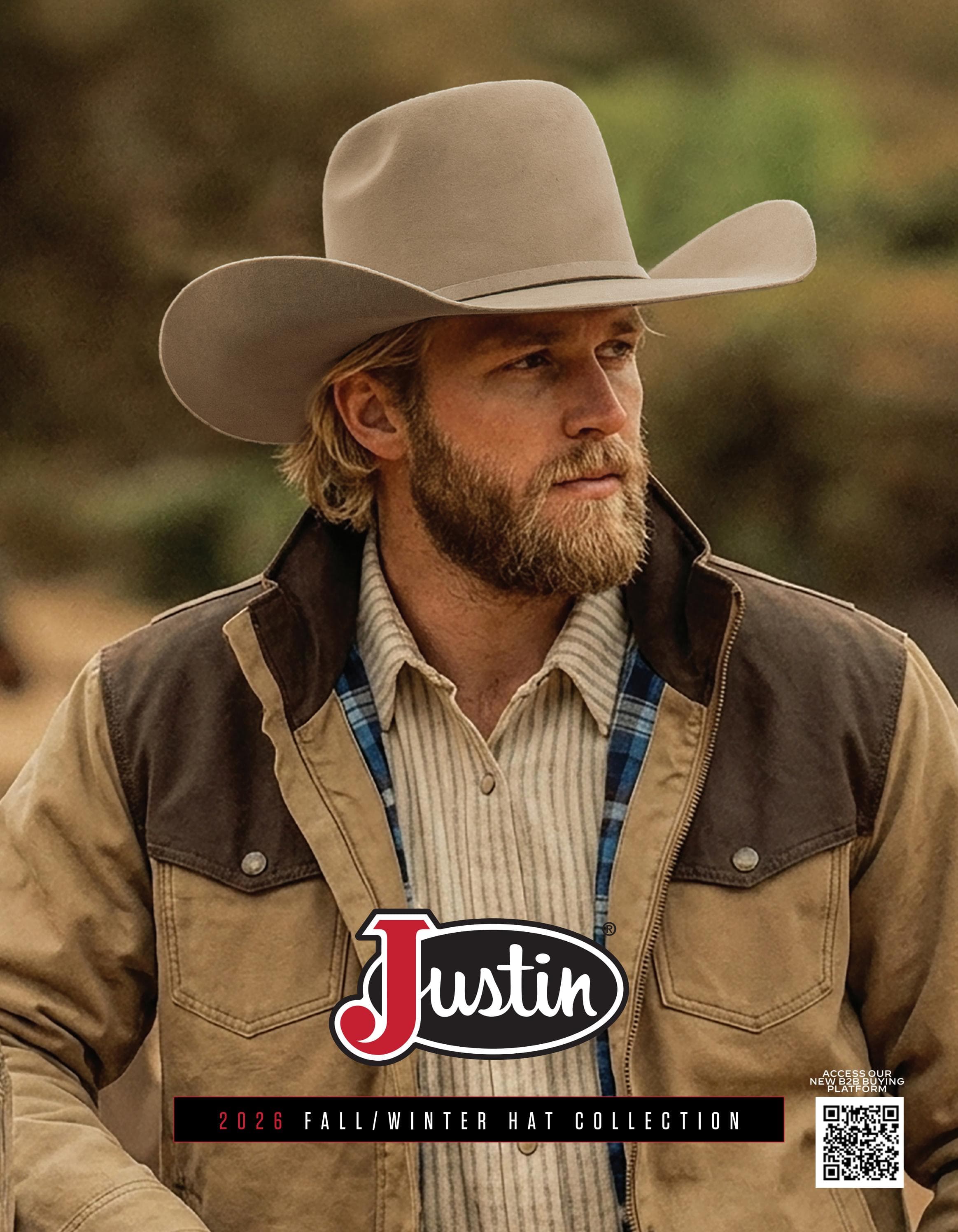 Digital
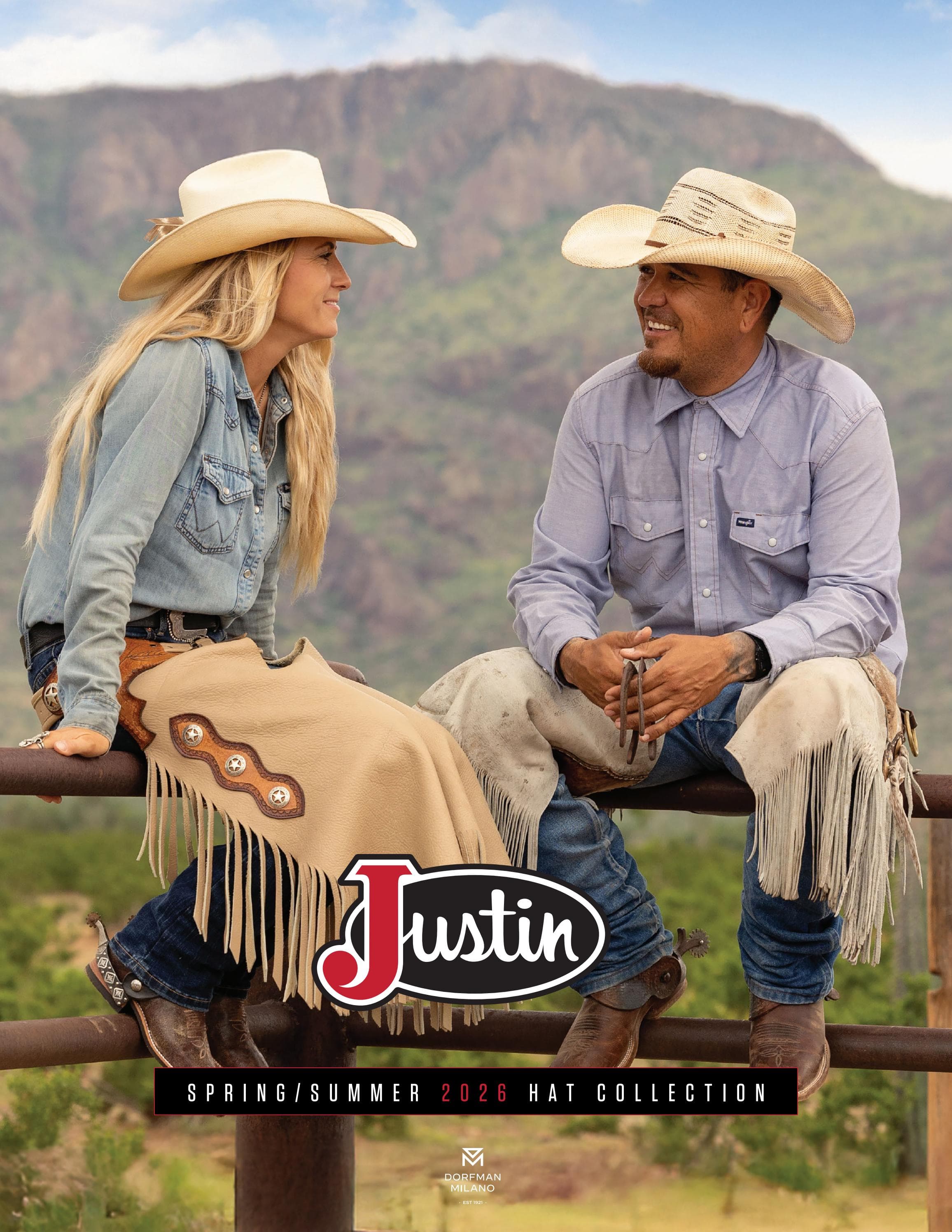 Digital
 Digital
 Digital
 Digital
 Digital
 Digital
 Digital
 Digital
 Digital
 Digital
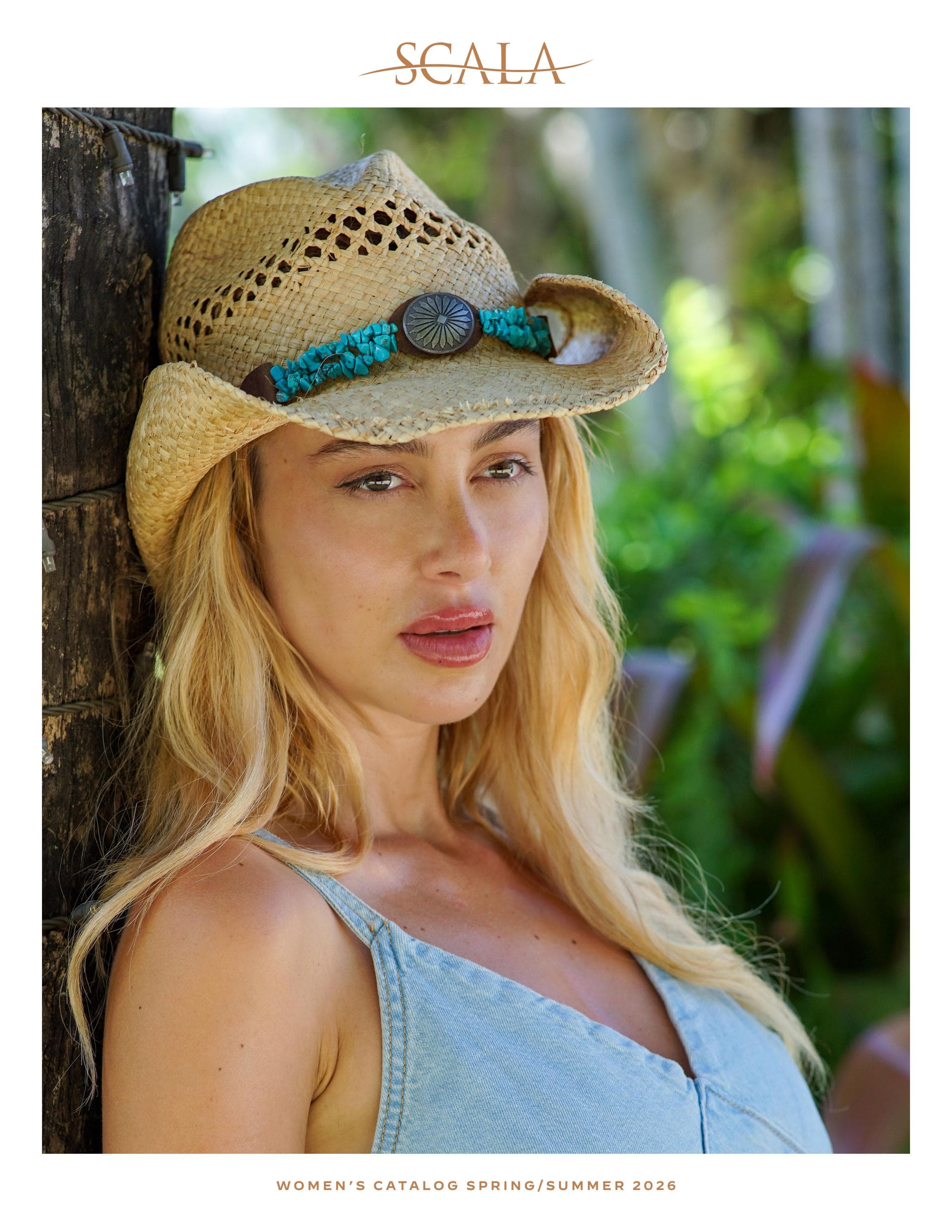 Digital
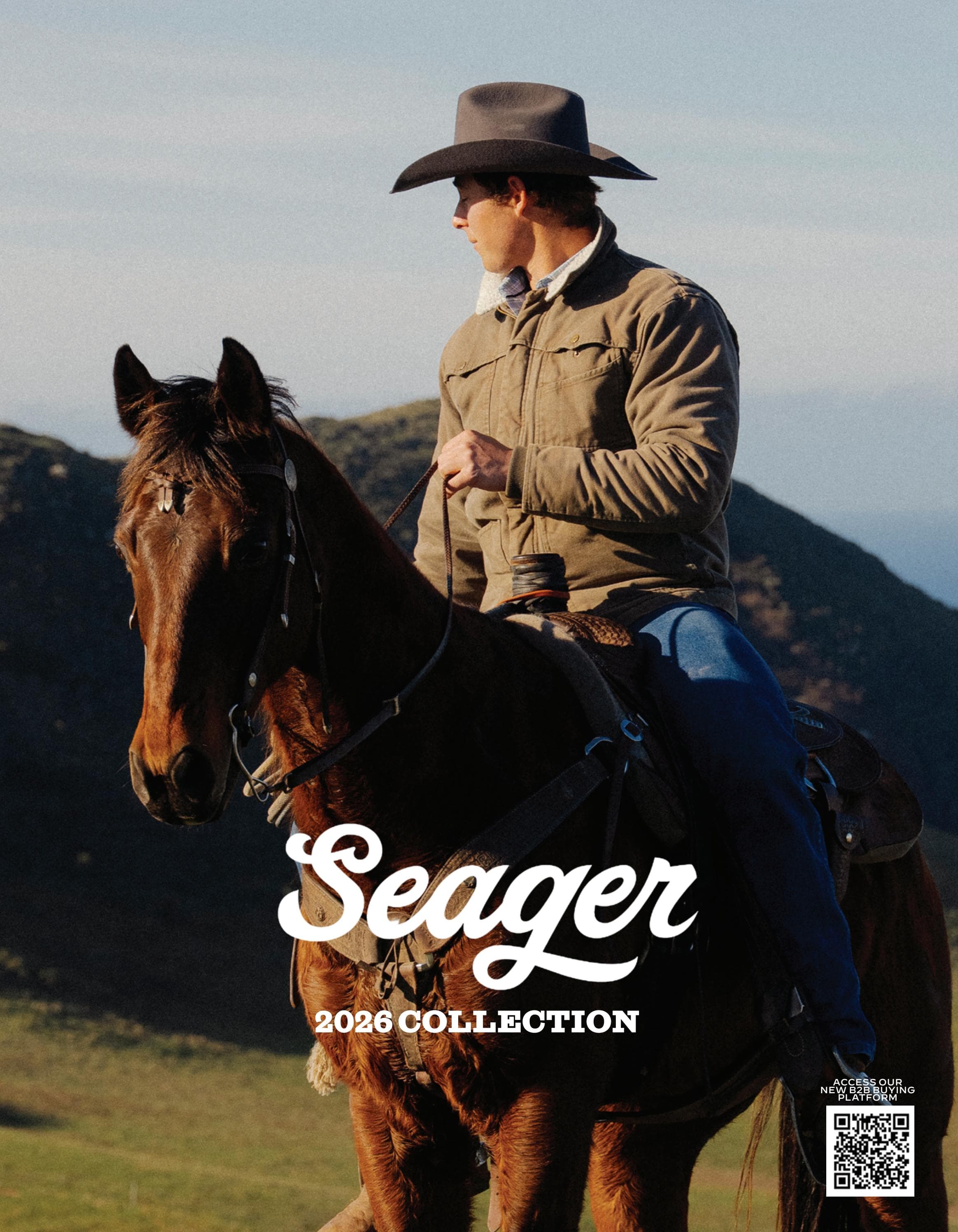 Digital
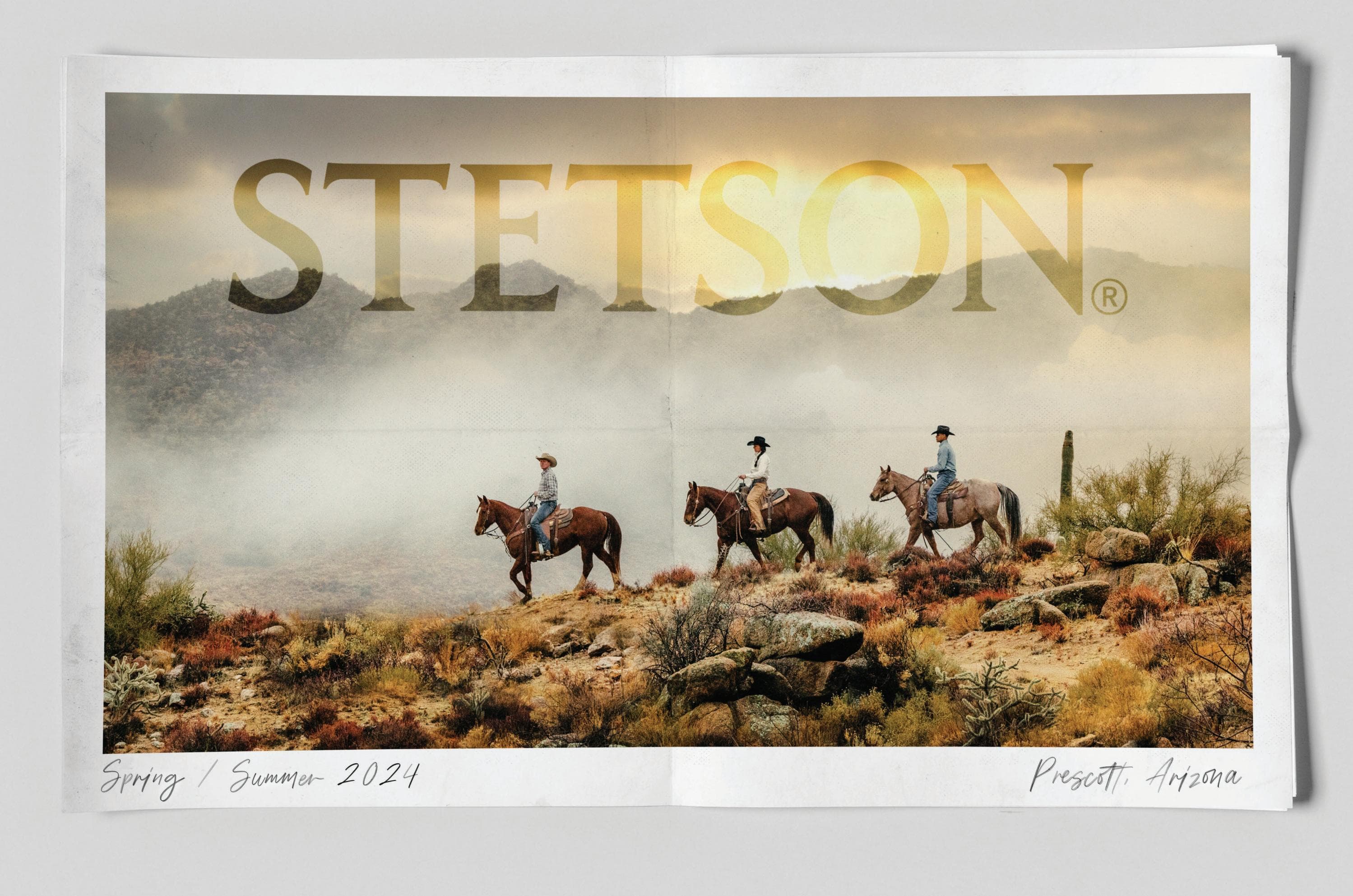 Digital
Western boots and western apparel are an unbroken American craft tradition that runs from the working ranches of nineteenth-century Texas to the soundstages of Nashville and the runways of contemporary fashion. Few product categories combine genuine heritage, hand-built construction, and current cultural relevance the way western wear does — and few generate the kind of multi-generational brand loyalty that names like Lucchese, Stetson, Justin, and Wrangler have earned over a century-plus of continuous production. This page collects the catalogs and lookbooks of the brands that define the category today, from museum-grade exotics to the everyday workwear that still anchors ranch life across the American West.
The Bootmaking Heritage: Texas and Mexico
The American cowboy boot was effectively invented in the Hispanic and German-Texan bootmaking towns of the late 1800s — El Paso, San Antonio, Nocona, and Mercedes on the Texas side; León, Guanajuato across the Rio Grande in central Mexico. León remains the bootmaking capital of North America, producing more handmade leather boots per year than any other city in the world, and most premium American brands — Lucchese (which moved part of its production back to El Paso), Old Gringo (designed in León), Anderson Bean (Mercedes, TX, but León-trained craftsmen), Liberty Boot Co — either source their construction from León workshops or have absorbed the León apprenticeship lineage into their own factories. The Texas bootmaking lineage gave us Justin Boots (founded 1879 in Spanish Fort, TX), Tony Lama (founded 1911 in El Paso), Lucchese (founded 1883 in San Antonio by Sicilian-Texan bootmaker Sam Lucchese Sr.), and a network of smaller boutique makers — Olathe, Rios of Mercedes, Beck Cowboy Boots, Stallion — that still operate on the original goodyear-welt and hand-pegged-leather construction methods.
Hand-Tooled Craftsmanship and Exotic Leathers
A premium handmade cowboy boot is one of the most labor-intensive consumer goods sold in America. A pair of Lucchese Classics or Old Gringo Selection boots involves 30 to 50 distinct hand operations: lasting the leather over a wooden boot tree, hand-pegging a leather midsole and shank, hand-cutting and stitching the decorative shaft pattern (the "tops"), hand-burnishing the vamp, and finishing with the signature tall pull-straps and underslung Cuban heel. Premium boots are built from full-grain calfskin or kidskin for the shaft and exotic skins for the vamp — alligator, caiman, ostrich (smooth-quill and round-quill), elephant, lizard, python, stingray, shark, and the rare Pirarucu Amazonian fish-leather that Old Gringo helped popularize in the early 2000s. Exotic-skin boots from Lucchese and Stallion can run $3,000 to $10,000 a pair and become heirloom pieces that resole indefinitely. The tooled-leather decorative shafts — floral inlays, brand crests, custom monograms — are usually hand-cut and back-stitched by a single craftsman over multiple days. This is genuine luxury manufacturing happening at scale in only a handful of American and Mexican facilities.
The Heritage Hat Houses
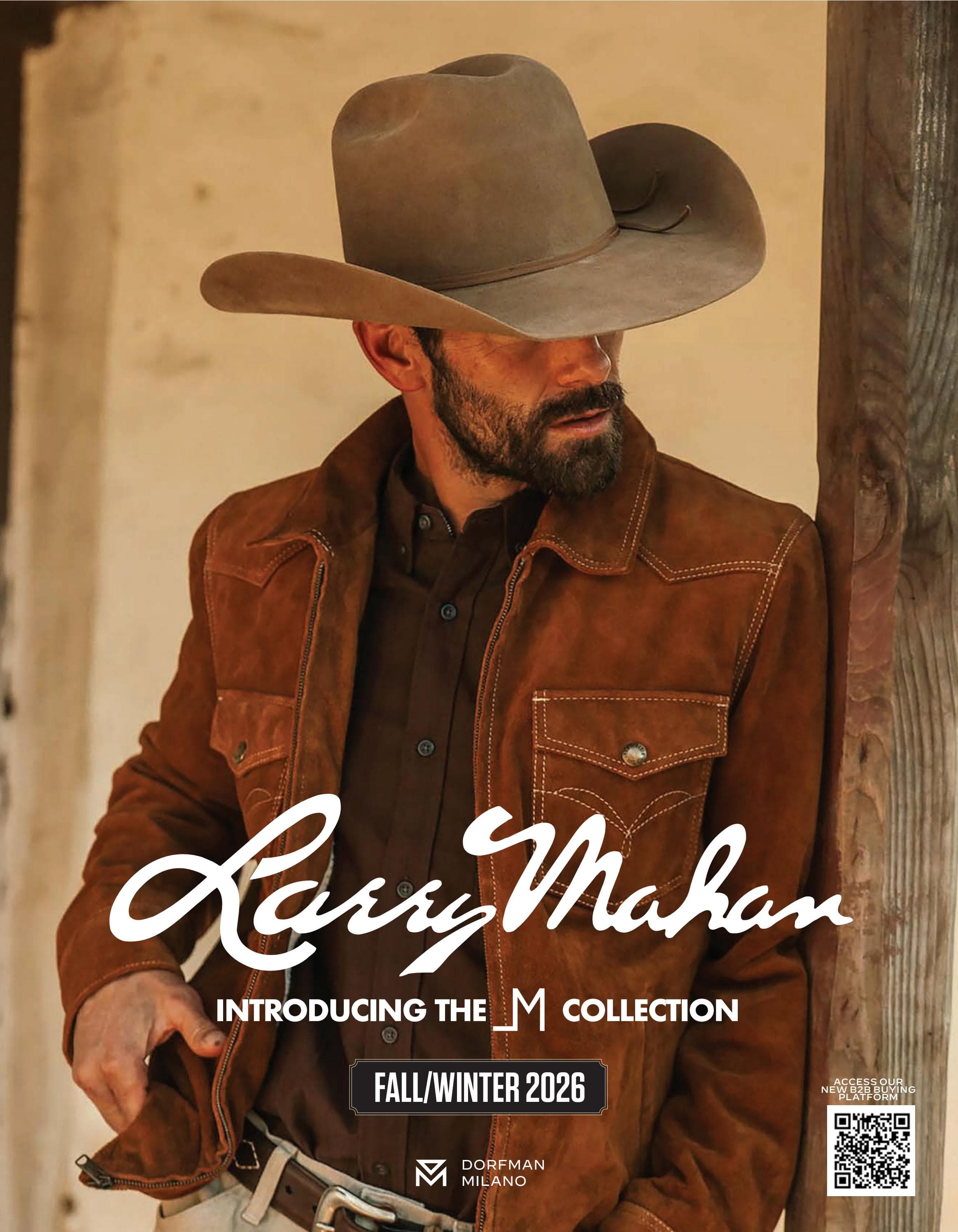
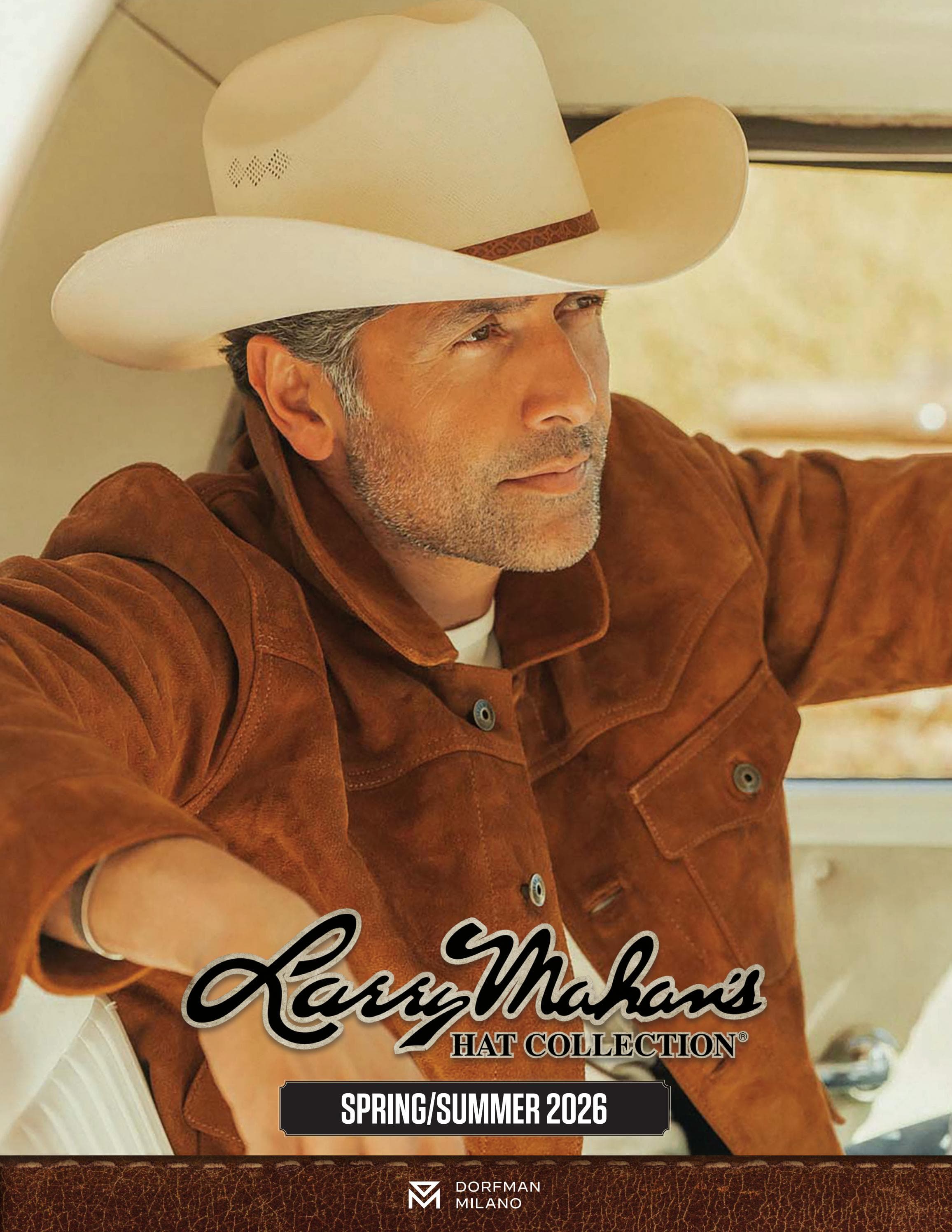
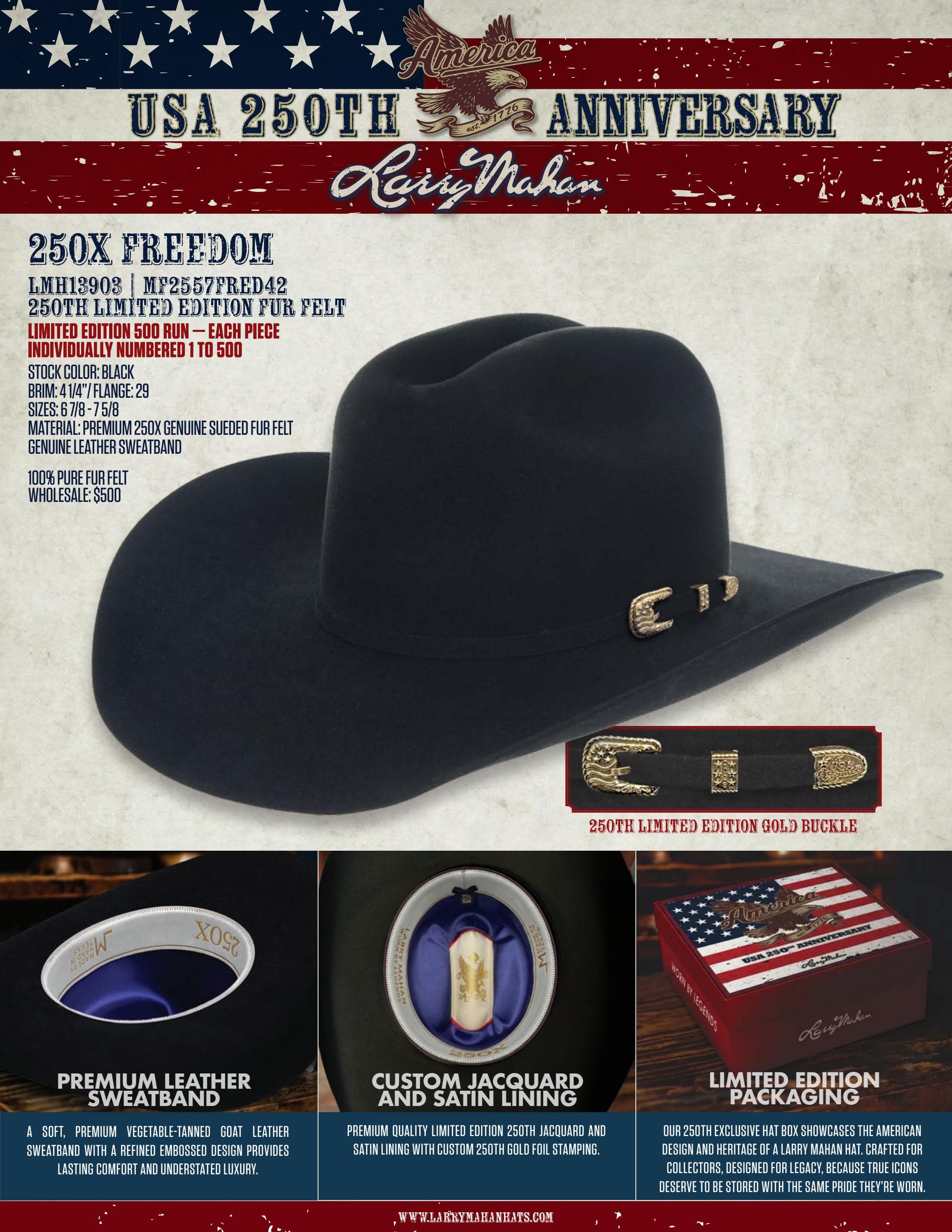
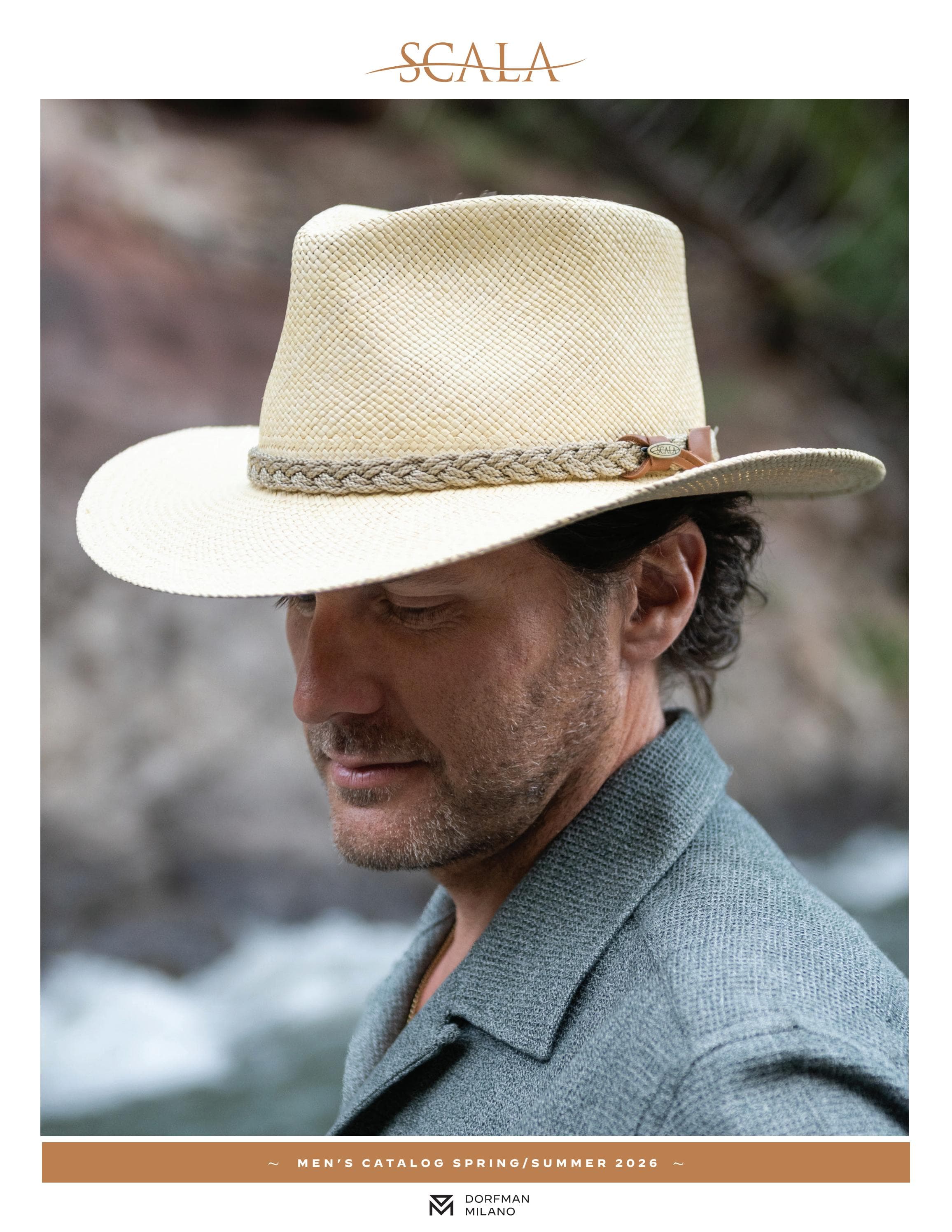
The western hat category is dominated by three Hatco Inc. brands — Stetson (founded 1865 by John B. Stetson in Philadelphia, now the most iconic name in American hatmaking), Resistol (founded 1927 in Dallas, the long-running rancher and rodeo hat of choice), and Bailey Hat Co. (founded 1922 in Los Angeles, the contemporary western-fashion line). All three are now made in Garland, Texas at the Hatco facility, in either felt (rabbit, beaver, and the premium pure-beaver "100x"/"1000x"/"500x" quality grades) or straw (Shantung, Mexican palm, and the premium "Genuine Panama" hand-woven straw from Cuenca, Ecuador). Premium felt cowboy hats are still made the way they were a hundred years ago: hand-blocked over a wooden hat form, steam-shaped, and hand-trimmed with a leather sweatband and a tooled or twisted-rope hat band. A custom Stetson 100x pure-beaver hat takes 14 weeks to make and costs $1,500-3,000. Outside Hatco, the boutique hat scene is anchored by Greeley Hat Works (Greeley, CO — custom-fitted by Trent Johnson, with Garth Brooks and George Strait as long-time clients), American Hat Company (Bowie, TX), and Charlie 1 Horse (Hatco's mid-tier women's western line).
Western Apparel: From Working Ranch to Contemporary Fashion
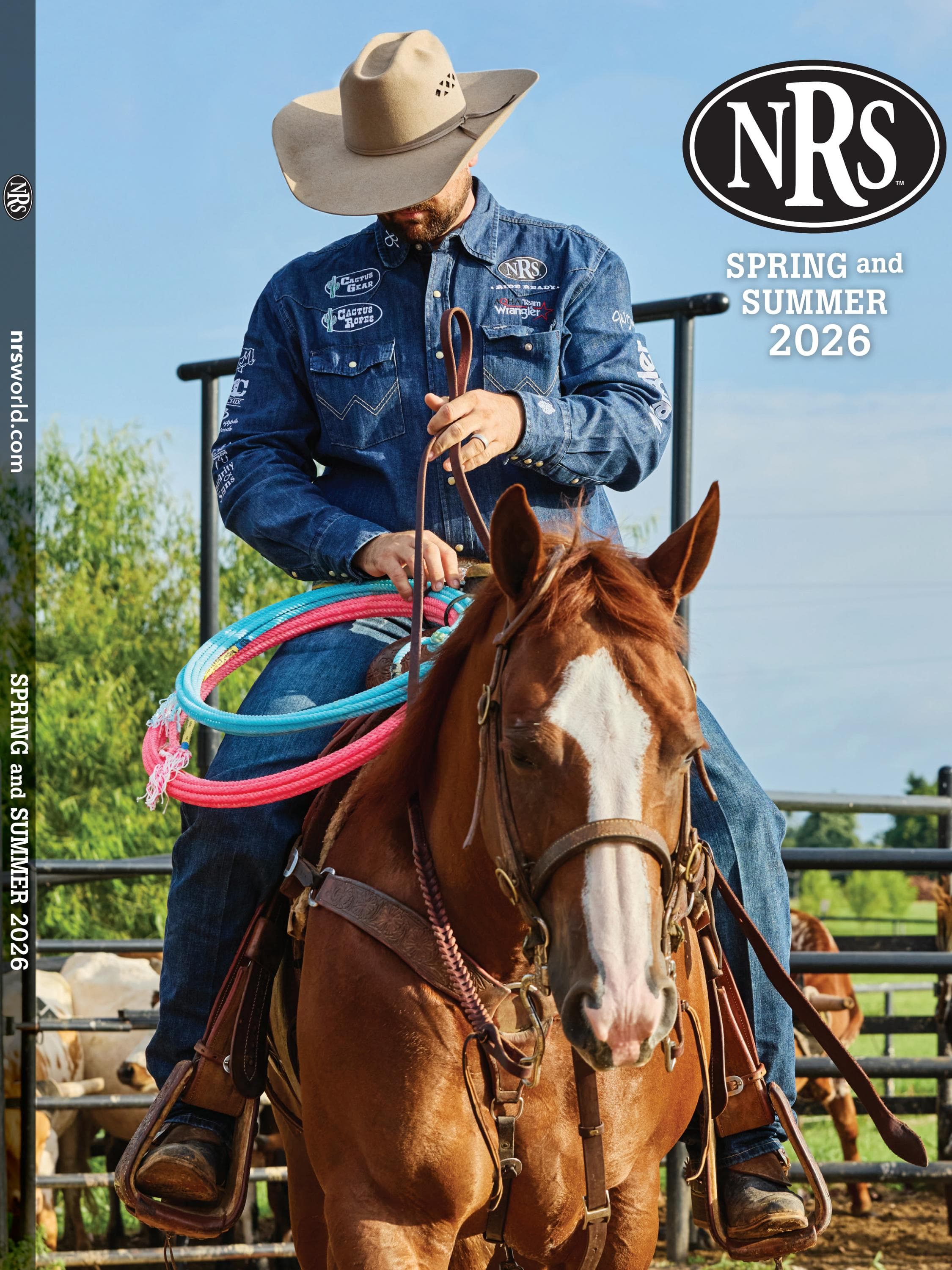
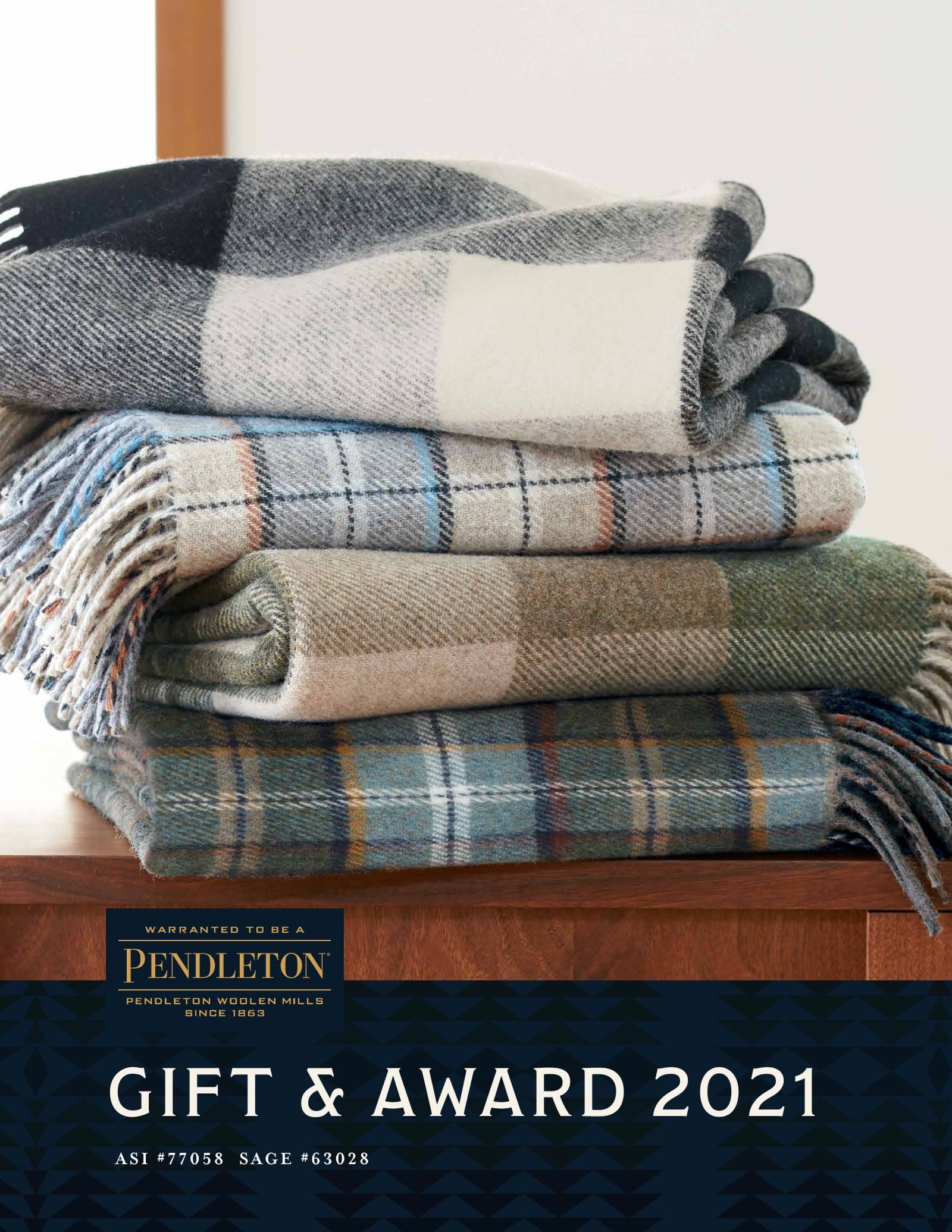
Western apparel splits into two distinct buyer segments. Working-ranch apparel is the practical garment ecosystem that ranchers, rodeo professionals, and ag-industry workers actually wear: heavyweight Wrangler 13MWZ Cowboy Cut jeans (the official jean of the Pro Rodeo Cowboys Association since 1974), Cinch Black Label and Silver Label jeans, Ariat FR (flame-resistant) workwear for the oil patch and ranch, snap-front pearl-snap shirts from Wrangler/Cinch/Stetson, and the canvas-and-leather work coats from Carhartt's western line. This segment values fit-over-the-boot through-leg cut, durable 13-14 oz denim, traditional western yokes, and reinforced stress points. Contemporary western fashion is the broader cultural moment — driven by Yellowstone, the "coastal cowgirl" trend, Beyoncé's Cowboy Carter, and the broader resurgence of country music — and it shows up in lookbooks from Kimes Ranch (premium fashion-forward western denim), Idyllwind by Miranda Lambert (Boot Barn's exclusive women's line), Rock 47 by Wrangler (the contemporary embellished-denim line), and apparel-extended boot brands like Tecovas, which now sells fully merchandised western apparel and accessories alongside its boots. Pendleton Woolen Mills — founded 1909 in Oregon — anchors the heritage-wool side of the category with its iconic plaid shirts, the National Park blankets, and the Western Heritage shirt line.
Buying Western Boots and Apparel: What to Look For
For boots, the key construction details are: goodyear welt vs. hand-pegged (hand-pegged is the premium, resole-friendly method), full-leather midsole and outsole (vs. composition rubber), genuine leather lining (no synthetic), single-piece vamp construction (vs. multi-piece patchwork), and shaft height (12-inch is the classic working height; 11-inch is contemporary). Exotic-leather boots should specify the skin grade (premier-grade caiman vs. utility-grade), the country of origin for the skin (CITES-compliant), and whether the skin is matched left-to-right (premium boots match scale or quill patterns across the pair). For hats, look at the felt quality grade (the "X" rating — 4x and 5x for entry felts, 10x-100x for premium pure beaver), the brim width (4-inch is classic cowboy; 3.5 is contemporary; 4.5+ is traditional/heritage), and the crown shape (Cattleman, Gus, Brick, Cutter, Open Crown — each has regional heritage). For apparel, the working-ranch buyer wants rigid 13-14 oz denim with a Cowboy Cut through-leg; the fashion buyer wants the leg cut, embellishment, and wash that match the current season's lookbook.
Free Western Catalogs by Mail
All catalogs and lookbooks listed here are mailed free to homeowners, ranchers, designers, and trade professionals — or available to flip through online instantly. The premium bootmaker catalogs (Lucchese, Old Gringo, Anderson Bean) and the heritage hat-house brochures (Stetson, Resistol, Greeley Hat Works) carry the highest-quality printed photography in the western category and are worth requesting in print form when planning a serious purchase. Contemporary western fashion lookbooks (Tecovas, Kimes Ranch, Idyllwind, Ariat, Wrangler, Cinch) are issued seasonally — request the current edition for the most current colorway and silhouette guide.