 Digital
 Digital
 Digital
 Digital
 Digital
 Digital
 Digital
 Digital
 Digital
 Digital
 Digital
 Digital
 Digital
 Digital
 Digital
 Digital
 Digital
 Digital
 Digital
 Digital
 Digital
 Digital
 Digital
Browse free premium home audio & home theater catalogs from McIntosh, Bowers & Wilkins, KEF, Sonance, MartinLogan, Wilson Audio, Sonus faber, Mark Levinson, Krell, NAD, Naim, James Loudspeaker, Triad, Origin Acoustics, Niles & more — built-in architectural speakers, high-end stereo amplification, electrostatic and ribbon speakers, room acoustic treatment, and full home theater install-grade systems.
Categories at a Glance
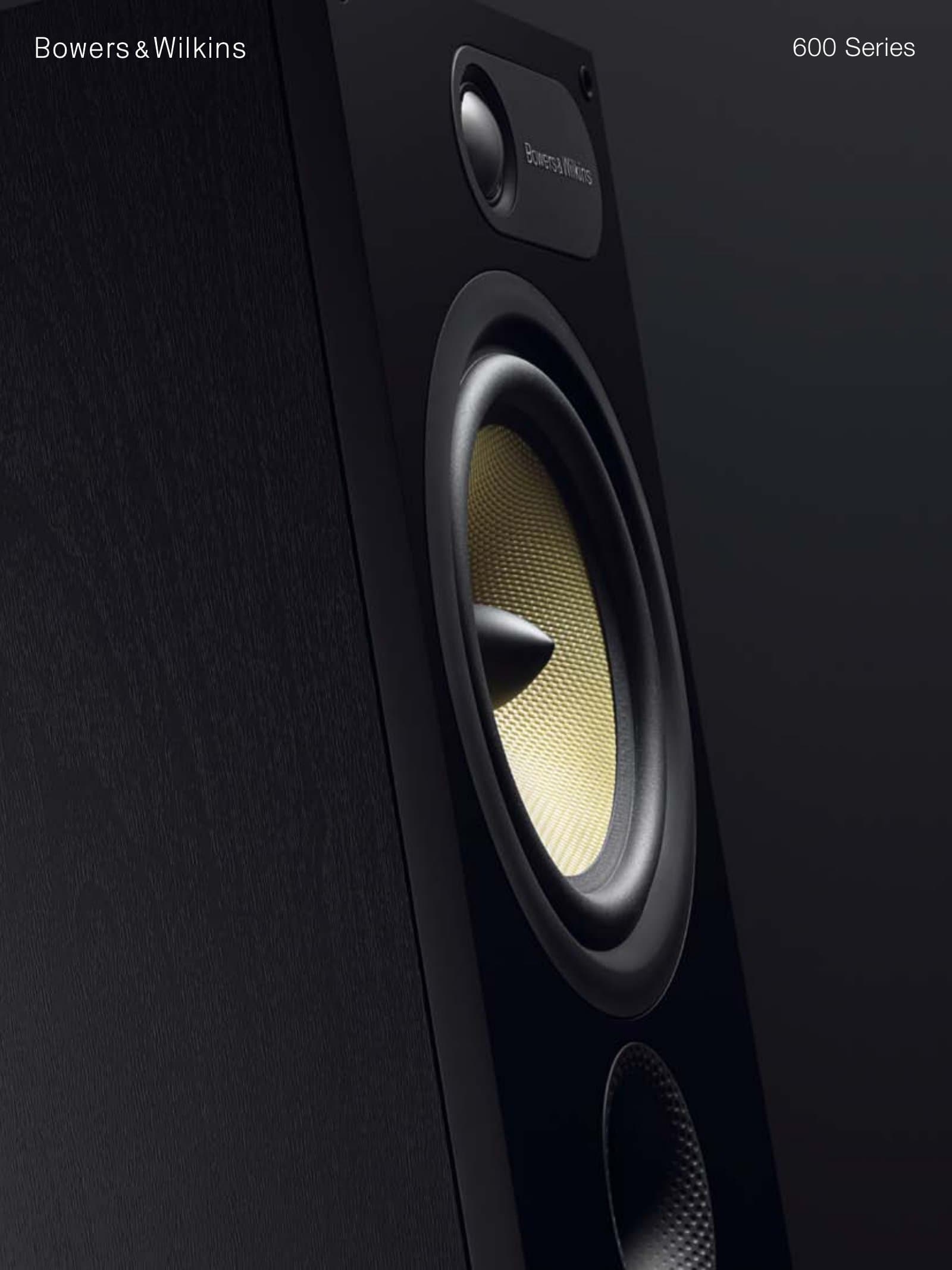
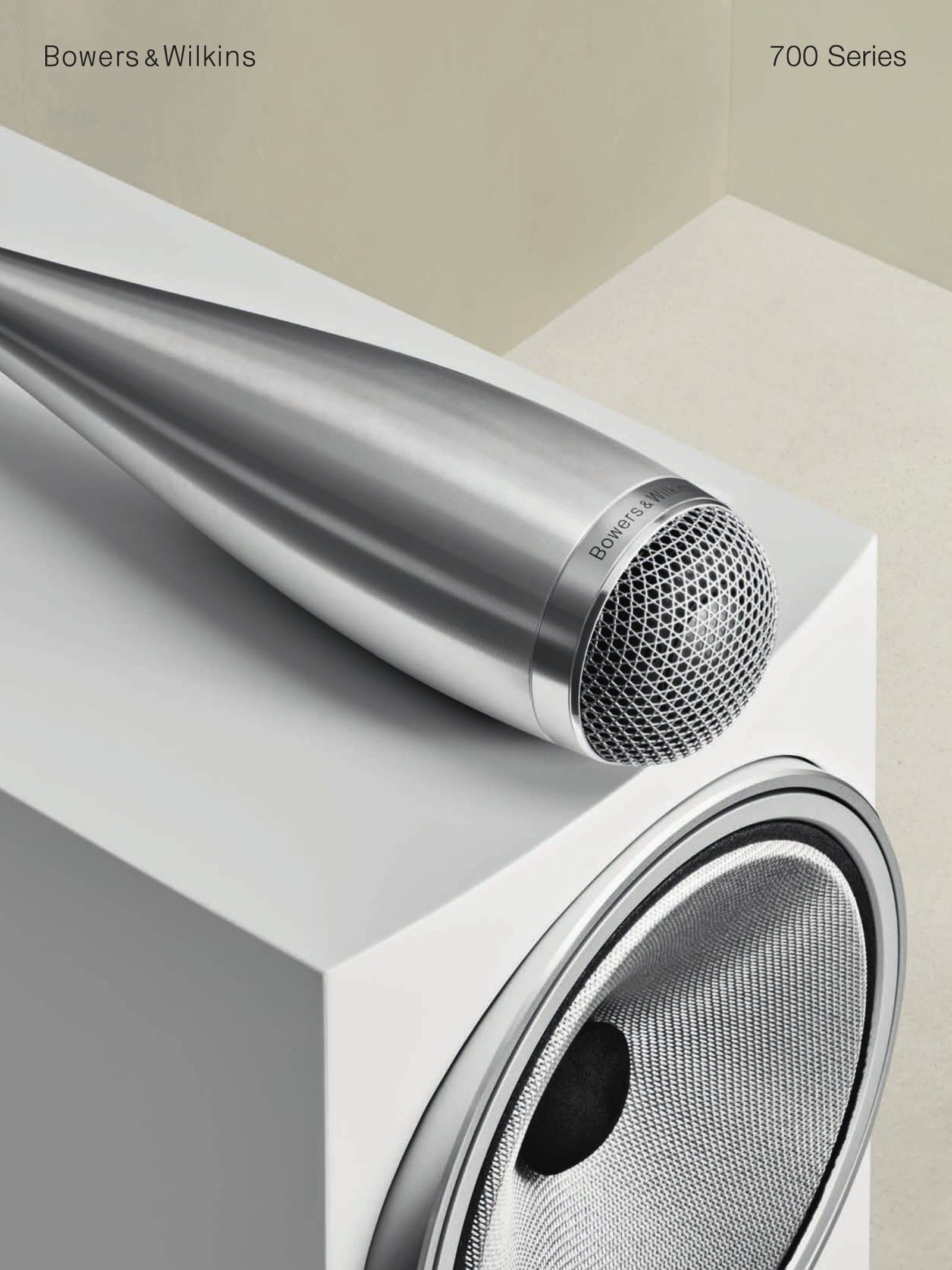
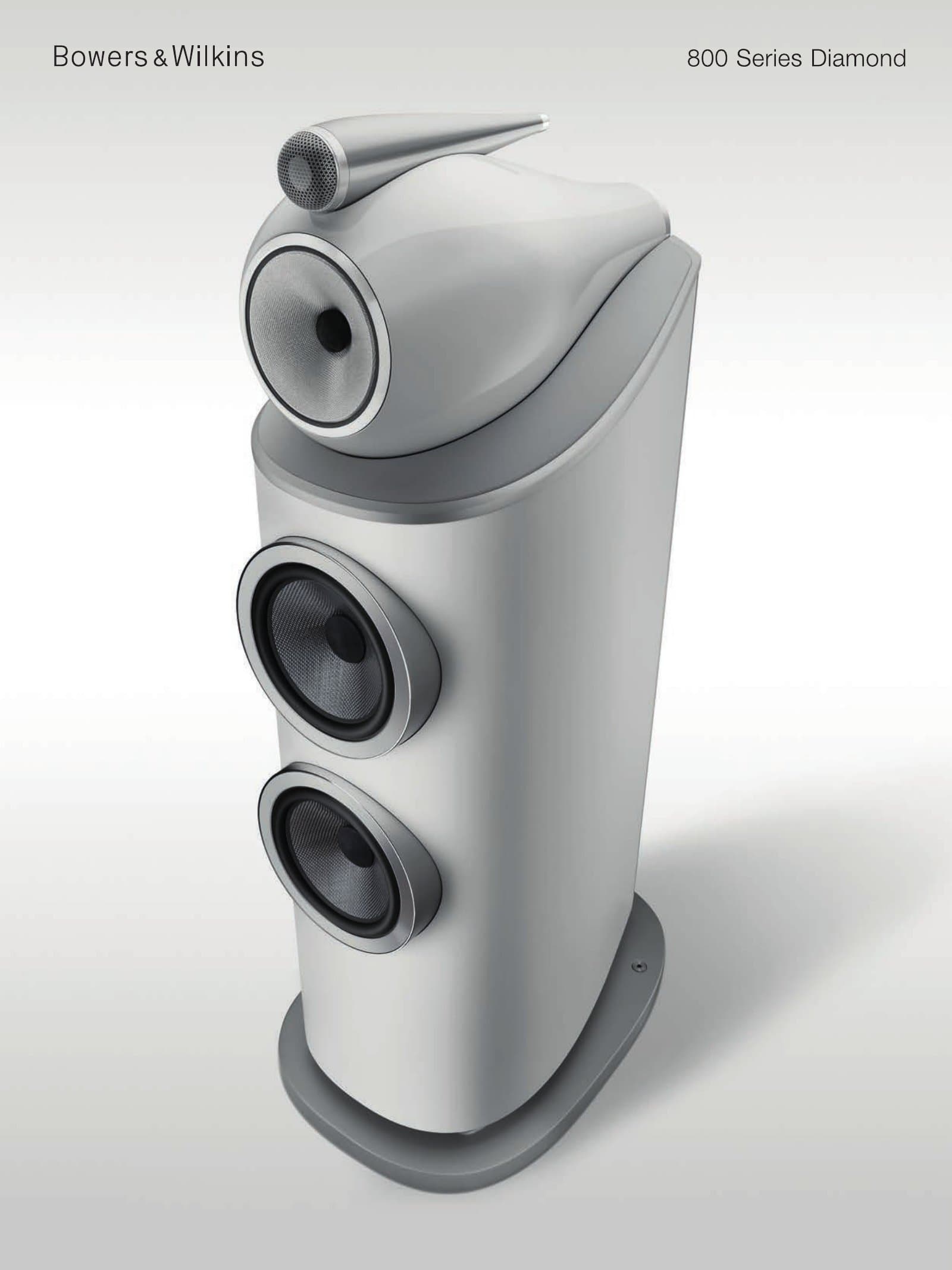
Ultra-luxury reference loudspeakers — Wilson Audio, Sonus faber, MartinLogan, and the flagship lines from Bowers & Wilkins (800 Series Diamond) and KEF (Reference Meta, Blade Meta) define the high-end loudspeaker category. These are hand-built, often custom-finished cabinets selling for $20,000 to $250,000 per pair, with cabinet construction borrowed from luxury automotive (resin-impregnated composites, lacquer-grade veneers, machined billet aluminum), drivers using diamond, beryllium, or electrostatic radiators, and engineering tolerances unmatched outside the recording-studio category. Catalogs typically include the lifestyle photography, the cabinet-construction cutaways, and the technology white papers that justify the price.
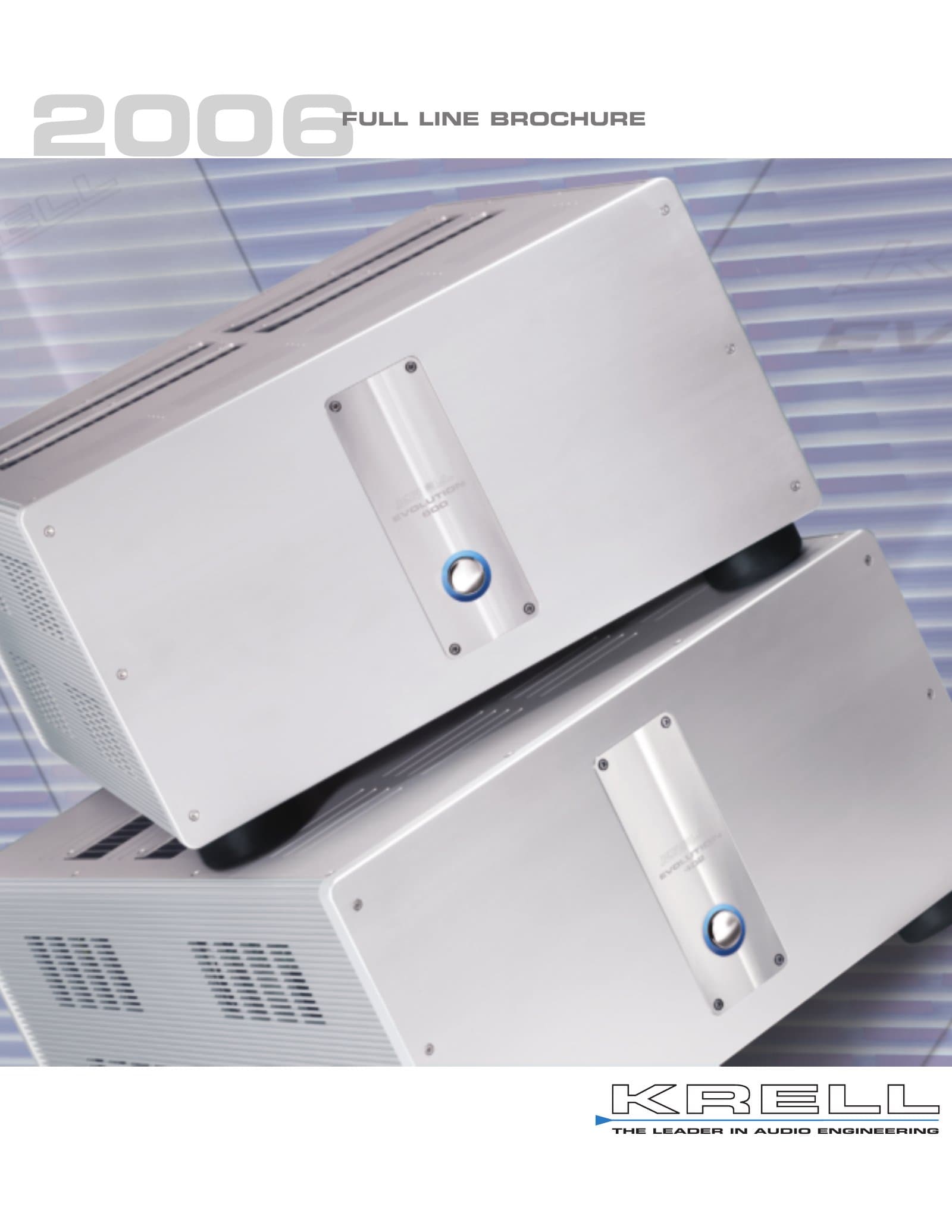
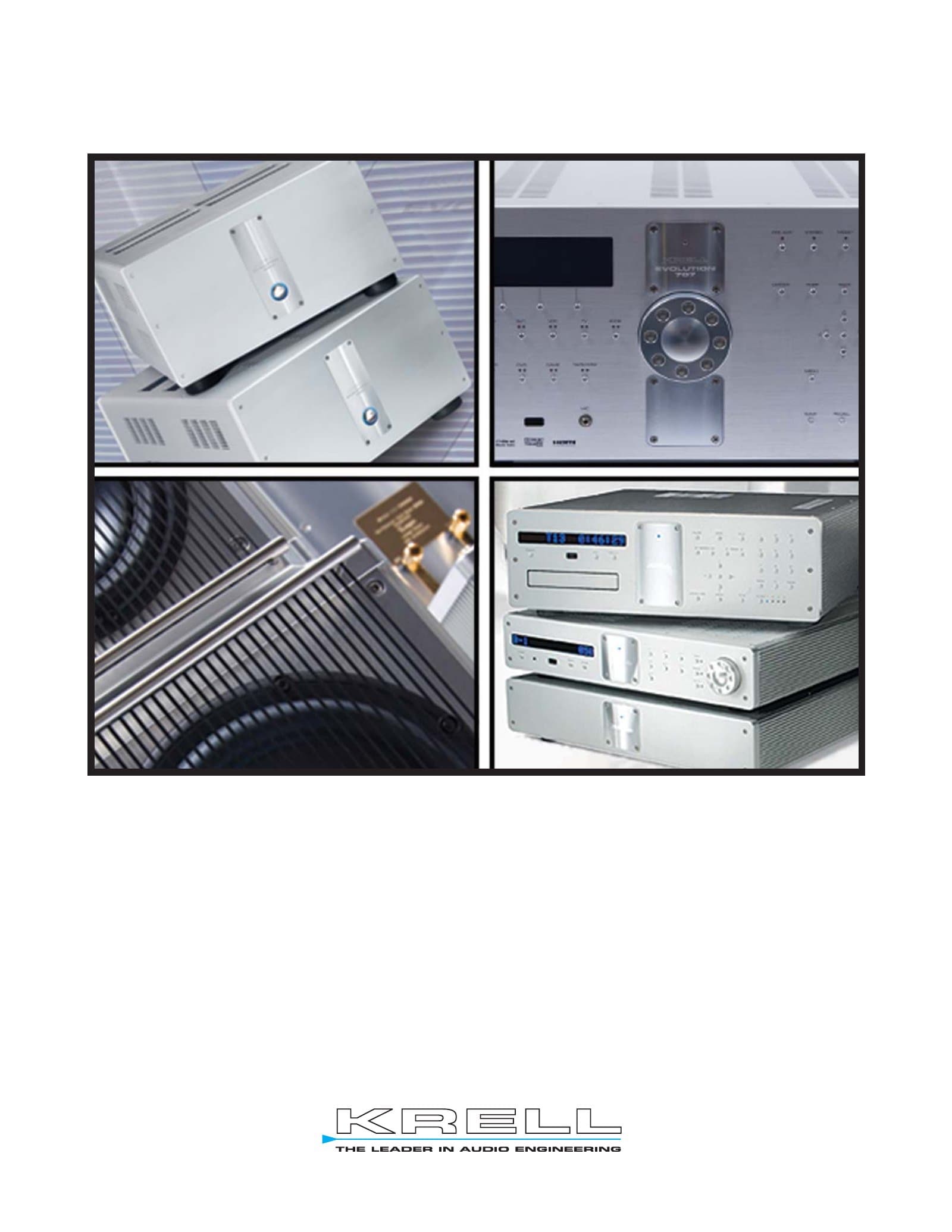
High-end stereo amplification & sources — Mark Levinson, Krell, Naim, and NAD Masters Series anchor the high-end electronics category. Catalogs cover separates (preamp + monoblock or stereo power amp), integrated amplifiers, network streamers, DACs, and CD/SACD transports. Spec language matters here: continuous power into 4 and 8 ohms, signal-to-noise ratio, total harmonic distortion at full power, and the input/output topology (balanced vs single-ended). Pair these with the loudspeaker catalog above for a complete reference system spec.
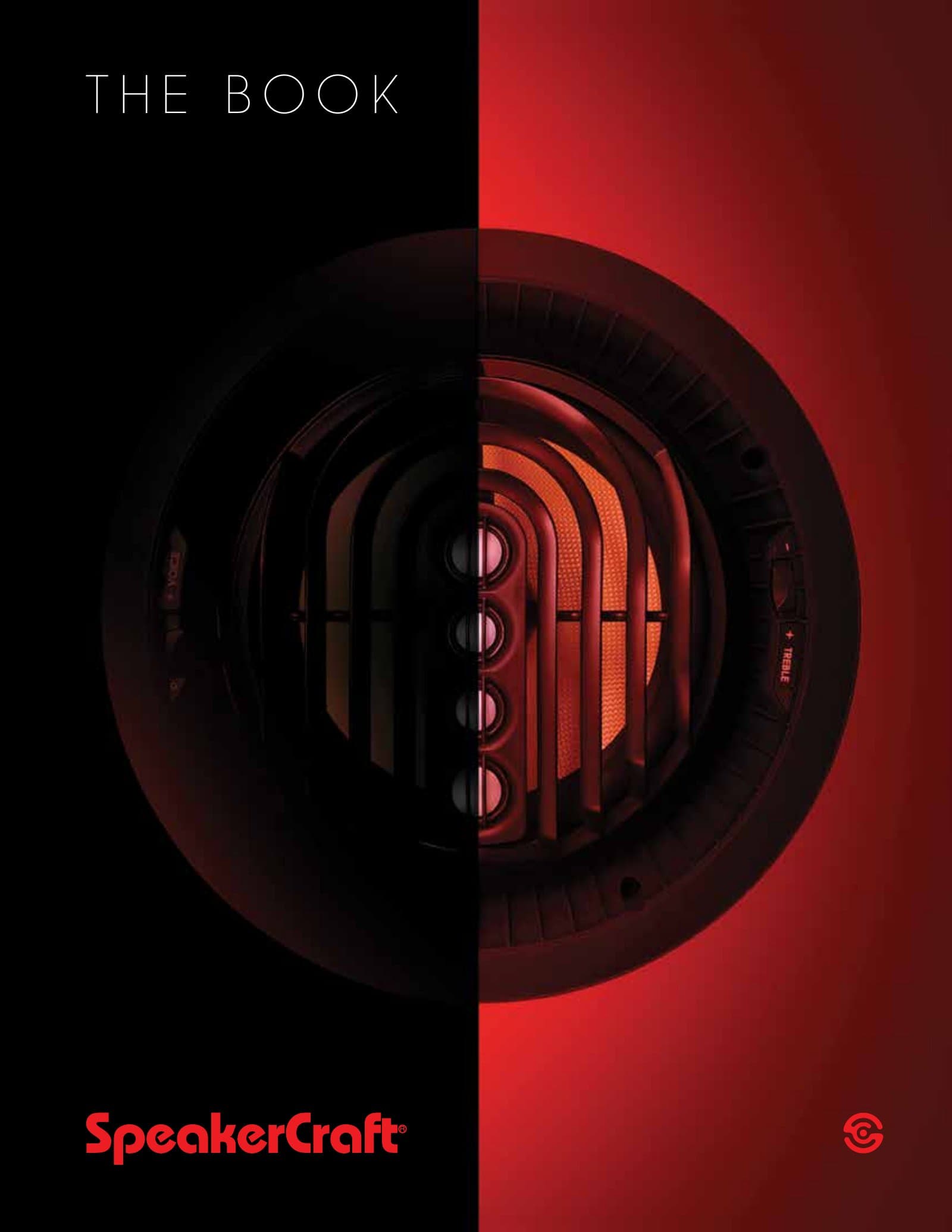
Installer-grade architectural speakers — Sonance, Sonos Architectural, James Loudspeaker, Triad Speakers, Origin Acoustics, Niles Audio, and SpeakerCraft cover the in-wall, in-ceiling, and invisible-mount category. These are the speakers your custom integrator hides in the walls and ceilings of a whole-home or home-theater install. The Sonance Invisible Series and James Loudspeaker custom architectural lines mount completely flush with the drywall and disappear behind a thin layer of mud and paint — you literally cannot see them but they hit reference SPL. Triad has been the favored brand of THX and Lucasfilm-certified theater designers for two decades.
Outdoor & landscape audio — Sonance Landscape Series, James Loudspeaker Marine, and the outdoor lines from KEF, Origin Acoustics, and Triad cover the backyard, pool deck, and outdoor-kitchen audio category. Satellite-and-subwoofer designs distribute discrete speakers through landscape beds with a buried subwoofer for full-range sound across hundreds of square feet without any single visible speaker.
Room acoustic treatment — RPG, Acoustical Solutions, and Auralex publish catalogs of the diffusers, absorbers, and bass traps that make any of the above sound right in a real-world room. Every dedicated home-theater or critical-listening room is treated — without treatment, even reference loudspeakers and electronics sound muddy because of room modes, slap echo, and bass standing waves.
What to Look For in a High-End Audio Catalog
The catalogs in this category are the closest you'll get to a designer-trade reference document outside actually visiting a flagship dealer. Look for: cabinet construction (composite layups, internal bracing, port geometry), driver material and topology (beryllium, diamond, electrostatic, ribbon, AMT, planar), crossover slopes and components (the difference between a $3K and $30K speaker is often the crossover), sensitivity in dB/W/m and nominal impedance (sets your amplifier power budget), and for electronics, continuous power into both 4 and 8 ohms (a doubling of power into 4 ohms is the test of a real high-end amplifier). For architectural speakers, also check mounting depth, back-can vs open-back, and whether the speaker is rated for outdoor or wet locations.
Designing a Reference Home Theater
A reference home theater is a building project, not a shopping trip. Start with room dimensions — the canonical ratios (1:1.4:1.9 or 1:1.6:2.3) avoid the worst room modes. Then specify in this order: front L/C/R loudspeakers (timbre-matched, ideally identical drivers across all three positions), surround and Atmos overhead speakers (architectural speakers from Triad, Sonance, James, or Origin), subwoofers (two or four asymmetrically-placed subs flatten the bass response far better than a single big sub), amplification (separate amps for the front three channels at minimum), processor (AV preamp with current immersive-audio codec support), and finally room acoustic treatment from the brands above. The catalogs in this category cover every layer of that stack.
Free Premium Home Audio & Home Theater Catalogs by Mail
Most of the brochures below are mailed free to homeowners, contractors, and custom integrators. Large-format photography of cabinet finishes (especially for Wilson, Sonus faber, MartinLogan, and KEF Blade) reads dramatically better on paper than on a phone, and the dealer locator inside the print edition is often more current than the website's. For installer-grade brands (Sonance, Triad, James, Origin), the printed catalog is the spec document a CEDIA-certified integrator will reference during the design phase — request the print edition before your design meeting.