 Digital
 Digital
 Digital
 Digital
 Digital
 Digital
 Digital
 Digital
 Digital
 Digital
 Digital
 Digital
 Digital
 Digital
 Digital
Browse free premium kids apparel catalogs from Tea Collection, Petit Bateau, Mini Rodini, Bonpoint, Mayoral and other heritage European, American, and Scandinavian childrenswear houses. Request brochures by mail or flip through digital editions.
Premium kids apparel sits at the intersection of three centuries of craft tradition — the smocked sailor suits and christening gowns of late-1800s American heritage houses, the engineered durability of 1893 French knitwear specialist Petit Bateau, and the contemporary sustainability movement led by Scandinavian brands like Mini Rodini and Polarn O. Pyret. The catalogs below let you compare what each of these traditions looks like in print, before you outfit a child for a school year, a family portrait, a wedding, or simply the season ahead.
Premium Kids Apparel at a Glance — European, American, Heritage, Sustainable
French and European luxury houses dominate the top of the premium kids market. Bonpoint (founded 1975 in Paris) sets the reference for hand-finished cotton dresses and tailored boys' looks in the Marie-Antoinette palette of dusty pinks, ivory, and pale blues. Petit Bateau (founded 1893 in Troyes) invented the modern children's underclothes category and remains the French standard for ribbed-cotton knit tees, sleepers, and the iconic millepieds ("thousand-stripe") pajamas. Tartine et Chocolat, Jacadi, Caramel London, and Chloé Kids round out the French heritage tier. Italian brand Il Gufo brings tailored cool weather pieces and the kind of merino blends typically reserved for adult menswear. Spanish brand Mayoral has built one of Europe's largest premium childrenswear businesses on consistent seasonal collections distributed through specialty boutiques. Burberry Children and Ralph Lauren Children both reinterpret their heritage adult lines in scaled-down silhouettes — the Burberry kids' check trench coat and the Polo bear sweater are the marquee pieces of that category.
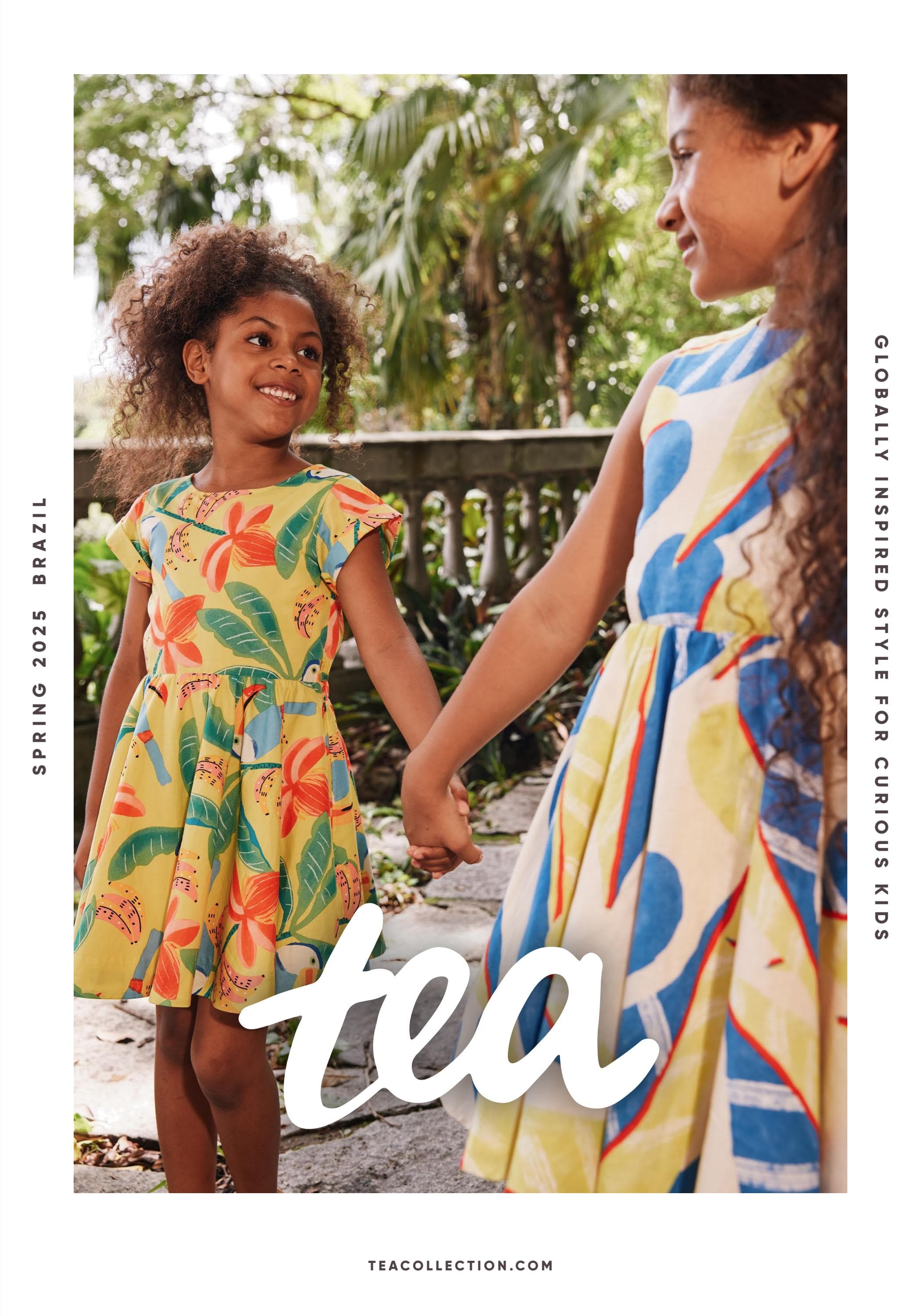
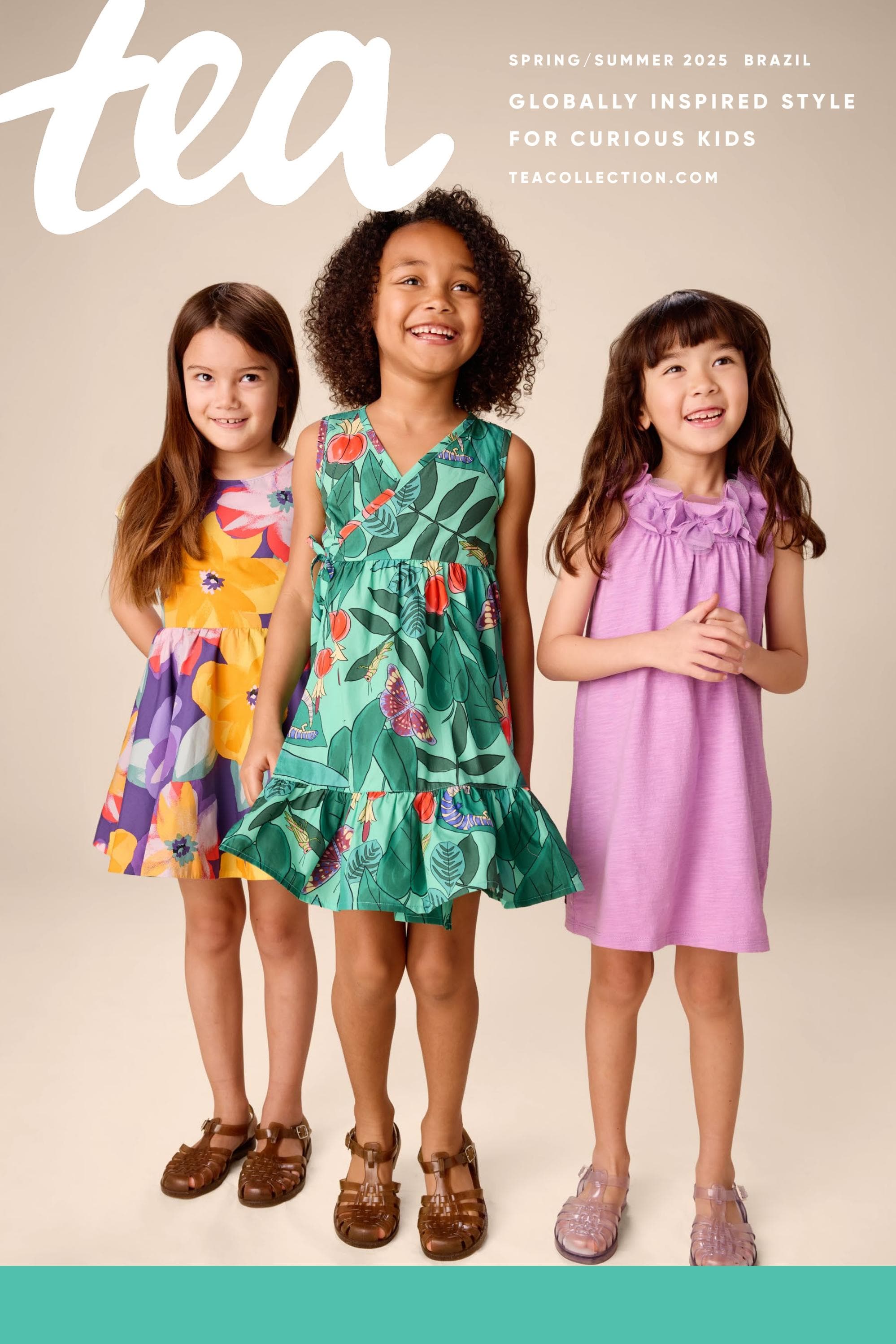
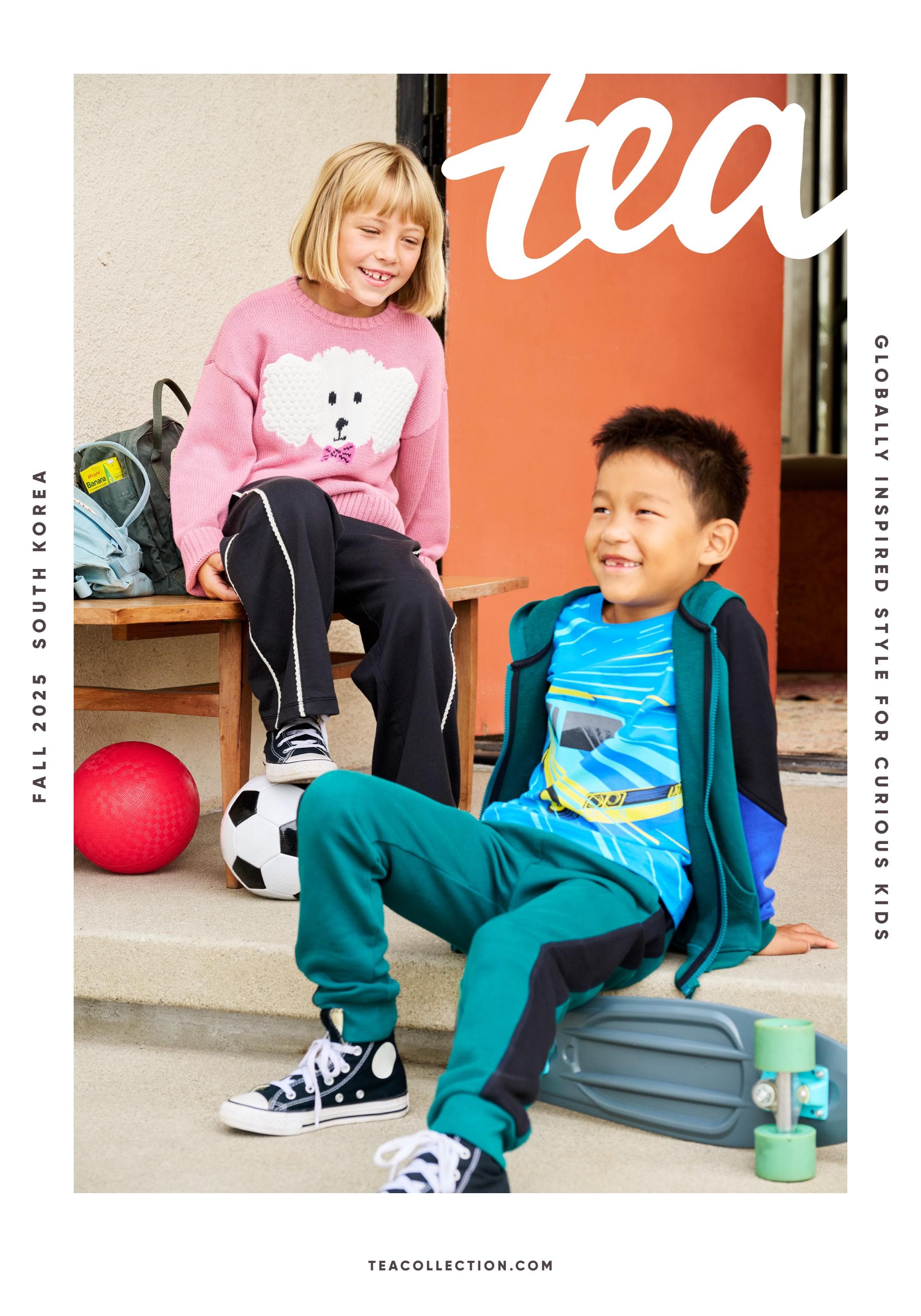
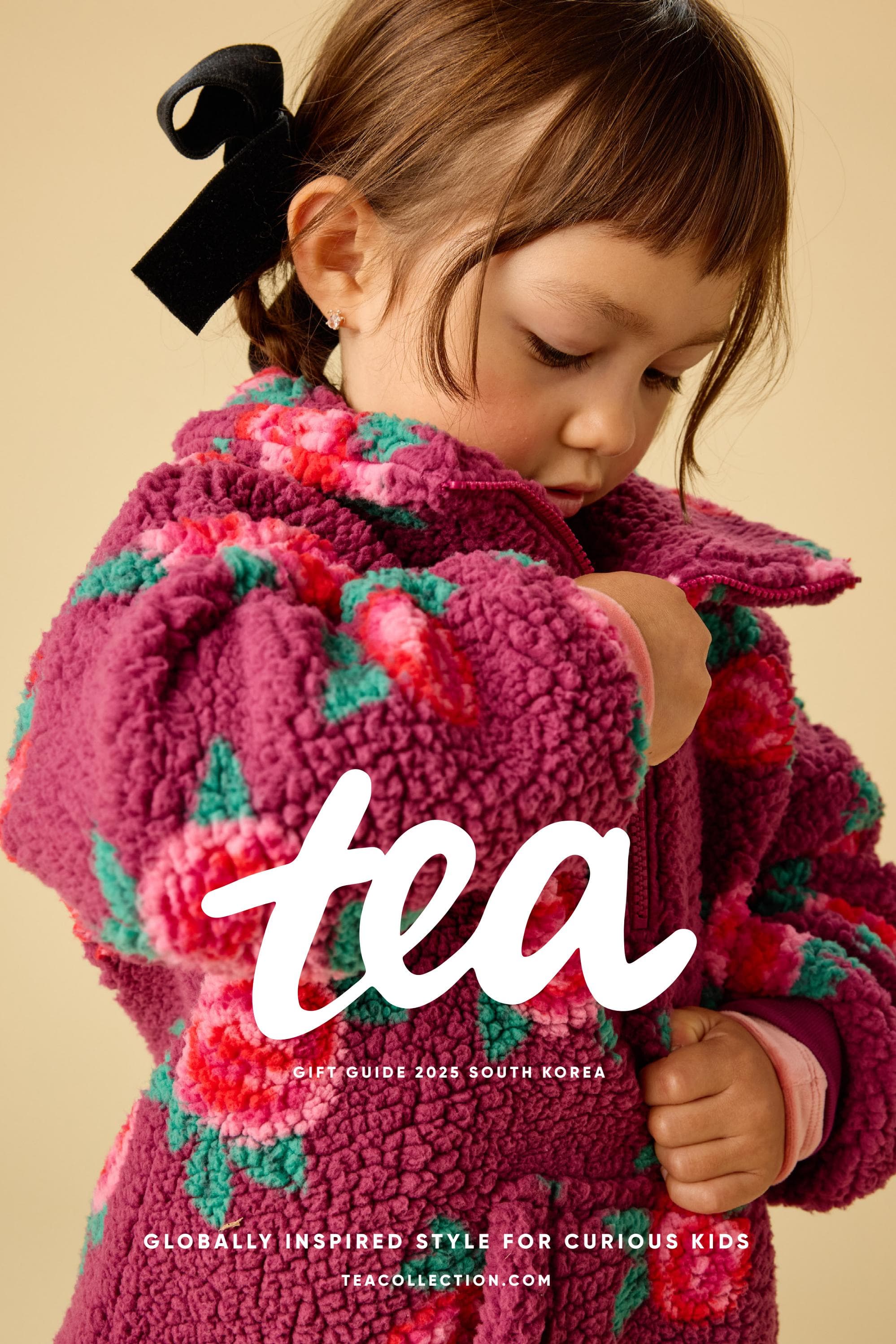
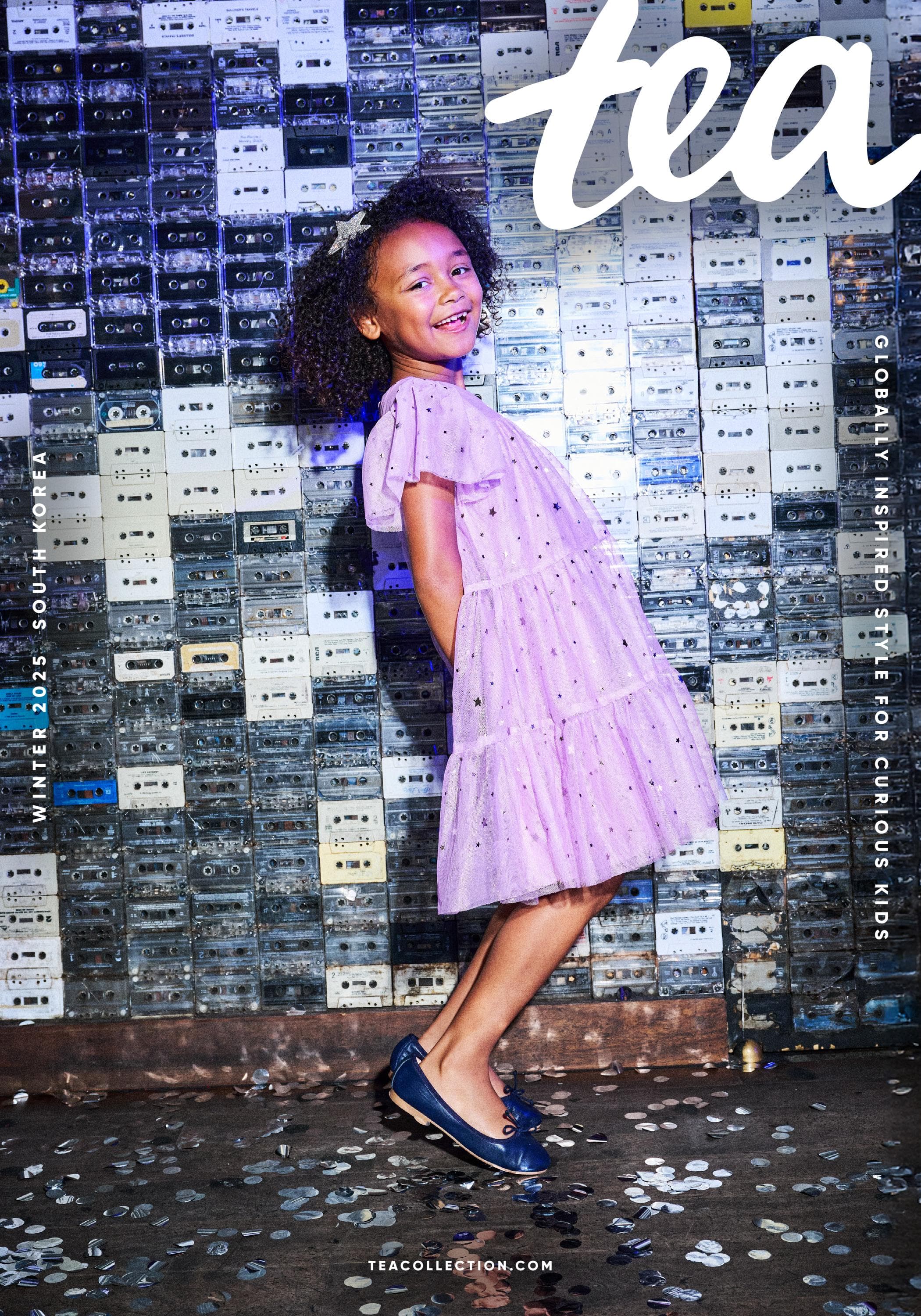
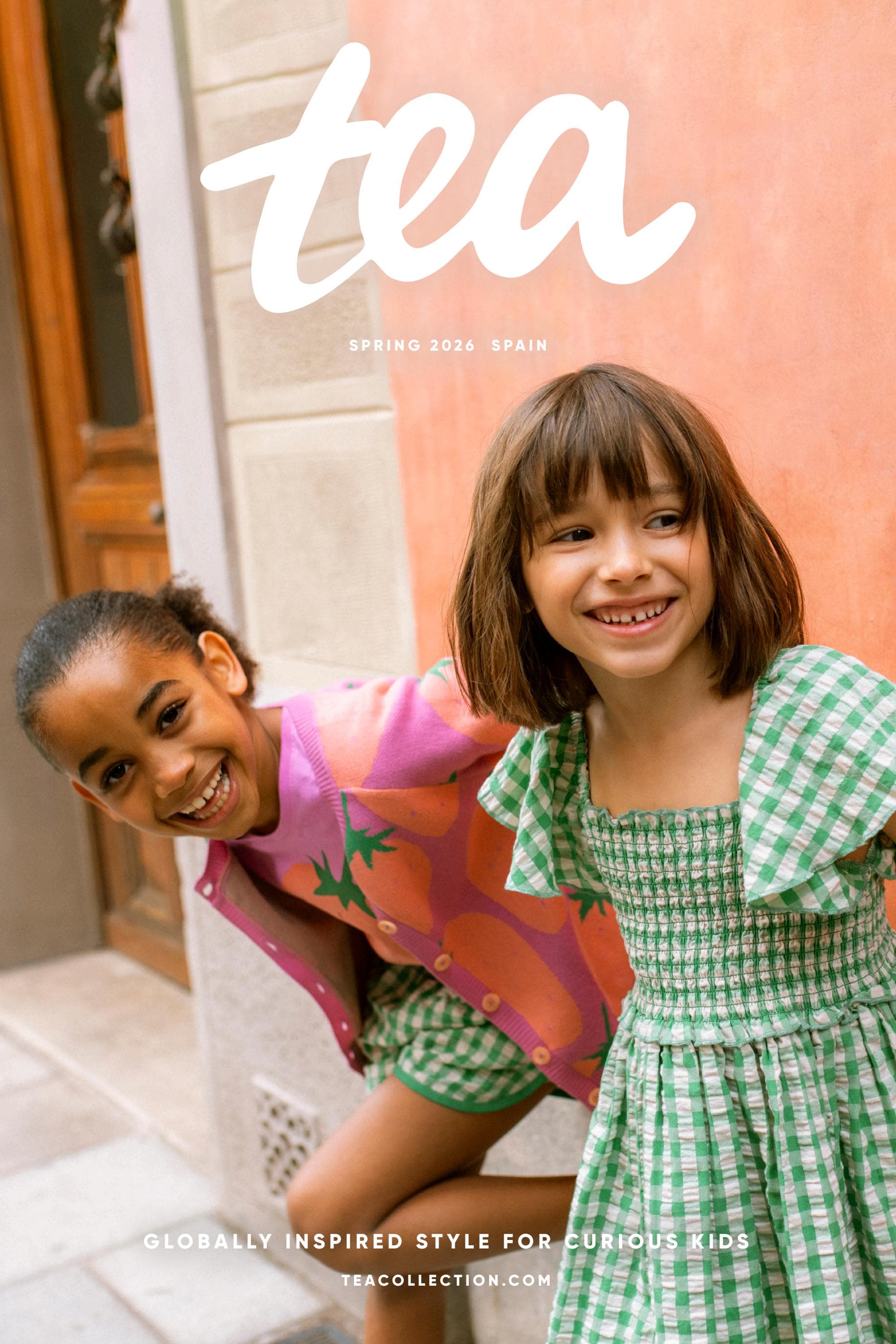
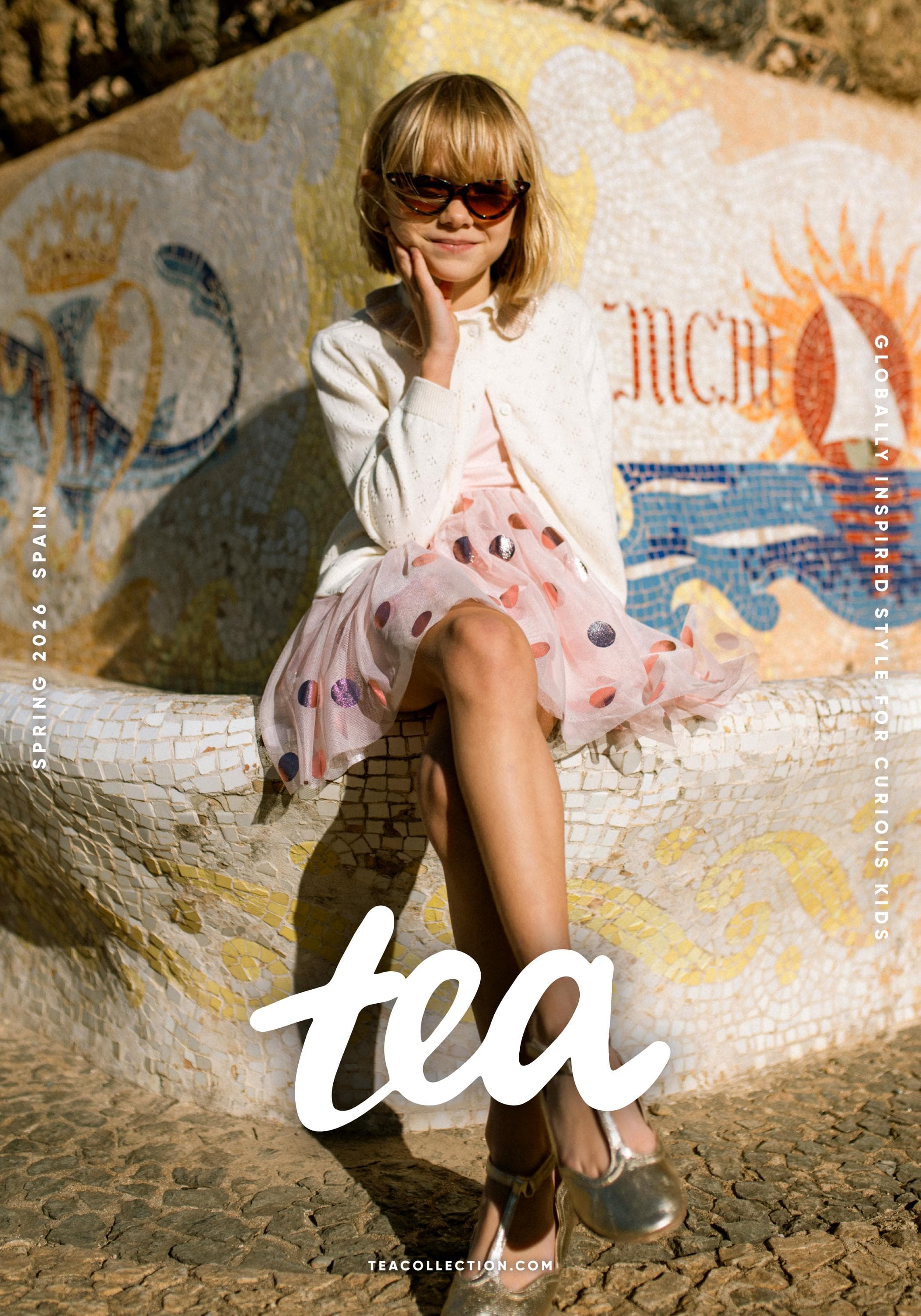
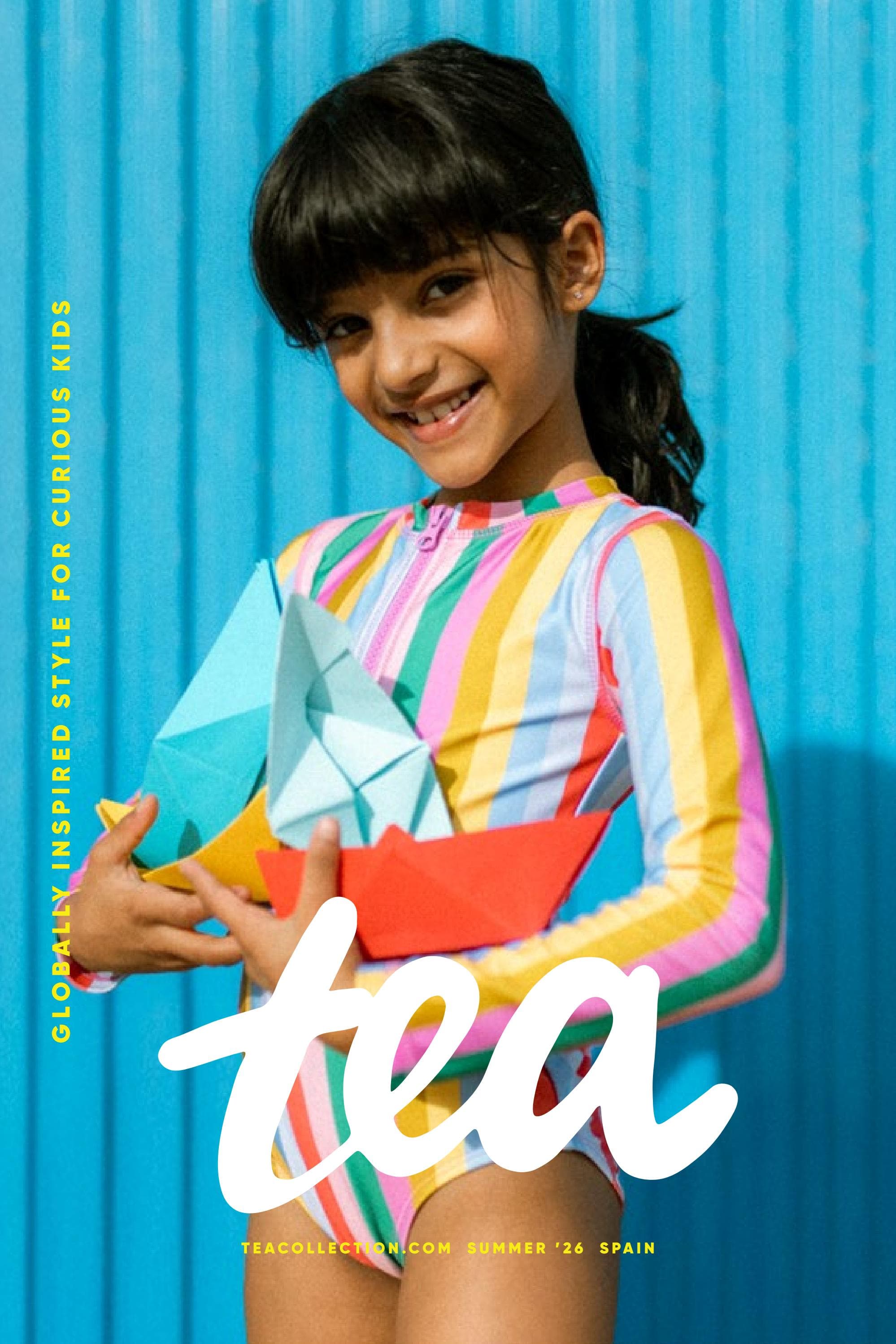
American premium and heritage smocked-classic is its own deep tradition. Florence Eiseman has hand-smocked dresses in Milwaukee since 1945. Strasburg Children, Anavini, Feltman Brothers, and Polly Flinders are the heritage Southern smocked-and-monogrammed makers — the dresses and rompers worn at christenings, Easter Sunday, family portraits, and the increasingly popular destination-wedding ring-bearer/flower-girl outfit. Janie & Jack continues the polished classic American kids' boutique tradition with seasonal mini-collections in matched palettes. Roller Rabbit, Skylar Luna, and Petit Plume sit alongside in the heritage premium loungewear and sleepwear category. Tea Collection — featured prominently in the catalogs below — pioneered the "globally inspired" premium kids fashion segment from San Francisco, with seasonal capsules organized around a specific country or region (Brazil, South Korea, Spain) that color and pattern the entire collection.
Sustainable and Scandinavian is the youngest tier but the fastest-growing. Mini Rodini (Stockholm, founded 2006) ran the early playbook: GOTS-certified organic cotton, bold playful prints, and a transparent supply chain. Polarn O. Pyret (the original Swedish heritage kids brand, founded 1976) added Eco-certified outerwear at the durability end. Stella McCartney Kids brings the same vegan, traceable-fiber positioning the adult line is known for. Hanna Andersson — Swedish-inspired but Portland, Oregon-based since 1983 — built the American premium long-johns and matching family pajama category on the same Scandinavian-organic foundation. Tea Collection and Mini Boden round out the segment with their own organic-cotton and lower-impact-dye programs.
Outdoor / active is a sub-vertical worth thinking of separately. Patagonia Kids and L.L. Bean Kids both scale down adult outdoor performance gear for hiking, camping, skiing, and the school carpool — the construction is genuine outdoor-grade, the prices reflect that, and the resale market for these brands is robust because the gear lasts through three or four kids. Polarn O. Pyret's outdoor program (the original "all-weather suit" with reflective trim) is the European equivalent.
What to Look For in a Premium Kids Apparel Catalog
The catalogs that earn shelf space in a premium kids' wardrobe spell out a few things explicitly. Fabric content and origin — look for 100% Pima or Supima cotton, GOTS-certified organic cotton, French interlock-knit, merino blends with origin (Italian merino vs. Australian), and avoid the "cotton blend" euphemism that usually means high polyester. Construction details — French seams, hand-smocking (vs. machine-stitched smocking), matched plaids and stripes across panels, real shell buttons (vs. plastic), and reinforced knees on toddler bottoms. Sizing-by-region — European brands run smaller through the waist and longer in the sleeve than American brands; Mayoral and Bonpoint typically size a half-step down from Janie & Jack and Hanna Andersson at the same labeled age, so request the size chart, not just the catalog. Heritage matched collections — the strongest premium brands publish coordinated boys/girls/baby capsules in matched palettes so siblings can be dressed coherently for portraits, weddings, or holidays without ad-hoc piecing.
European vs. American Premium Kids Traditions
The two traditions optimize for different things. European houses — Bonpoint, Petit Bateau, Jacadi, Mayoral, Il Gufo, Tartine et Chocolat — typically offer fewer pieces per season but each piece is engineered for two or three children to wear in sequence (hand-me-down quality construction, classic silhouettes that don't date, and trimming that survives laundering). The aesthetic is restrained — solid colors, traditional cuts, small details, often a single contrast trim. American premium and heritage houses — Florence Eiseman, Strasburg, Janie & Jack, Tea Collection — tend toward more pieces, brighter colors and prints, and a more occasion-driven catalog (smocked Easter dresses, christening gowns, ring-bearer outfits, holiday-card sweaters). The smocked-classic American tradition specifically is centered in the Southern United States — Atlanta, Mountain Brook, Lake Forest, and Houston have historically been the marketplaces where Florence Eiseman, Strasburg, Anavini, and Feltman Brothers built their catalog businesses.
The Sustainable Fabric Movement in Children's Apparel
Children's apparel has been at the leading edge of the sustainable-fabric movement for a decade — partly because parents are willing to pay the GOTS-certified-organic-cotton premium for the next generation, partly because kids' garments are smaller (the per-unit cost difference between organic and conventional cotton is more absorbable), and partly because the laundering frequency makes durable, low-shrink, low-fade construction matter more. The brands that have committed early — Mini Rodini, Hanna Andersson, Tea Collection, Polarn O. Pyret, Mini Boden, Stella McCartney Kids, Patagonia Kids — now also publish supply-chain disclosures, mill provenance, and (in the Scandinavian cases) take-back and resale programs. When you request a catalog from one of these brands, the certification call-outs in the catalog itself are useful filtering criteria for the rest of the wardrobe.
Sizing-by-Region — Why the Catalog Size Chart Matters
A US size 4 from Janie & Jack will fit roughly the same child as a UK size 3-4 from Mini Boden, a French size 3 ans from Petit Bateau, an Italian size 3 anni from Il Gufo, or a Spanish size 4 años from Mayoral — but the European brands run narrower through the chest and waist and longer in the sleeve and inseam, so a child who's well-proportioned in American sizing may need to size up in European pieces and have the legs hemmed. Bonpoint specifically runs about a half-size small even within the European range. Patagonia Kids and L.L. Bean Kids run true-to-size but generous through the shoulders for layering. Always cross-reference the catalog's printed size chart (chest, waist, inseam in cm) rather than relying on the labeled age — the catalog charts are the most reliable measurement reference and one of the main reasons it's worth requesting a printed catalog from each brand you're considering.
Free Premium Kids Apparel Catalogs by Mail
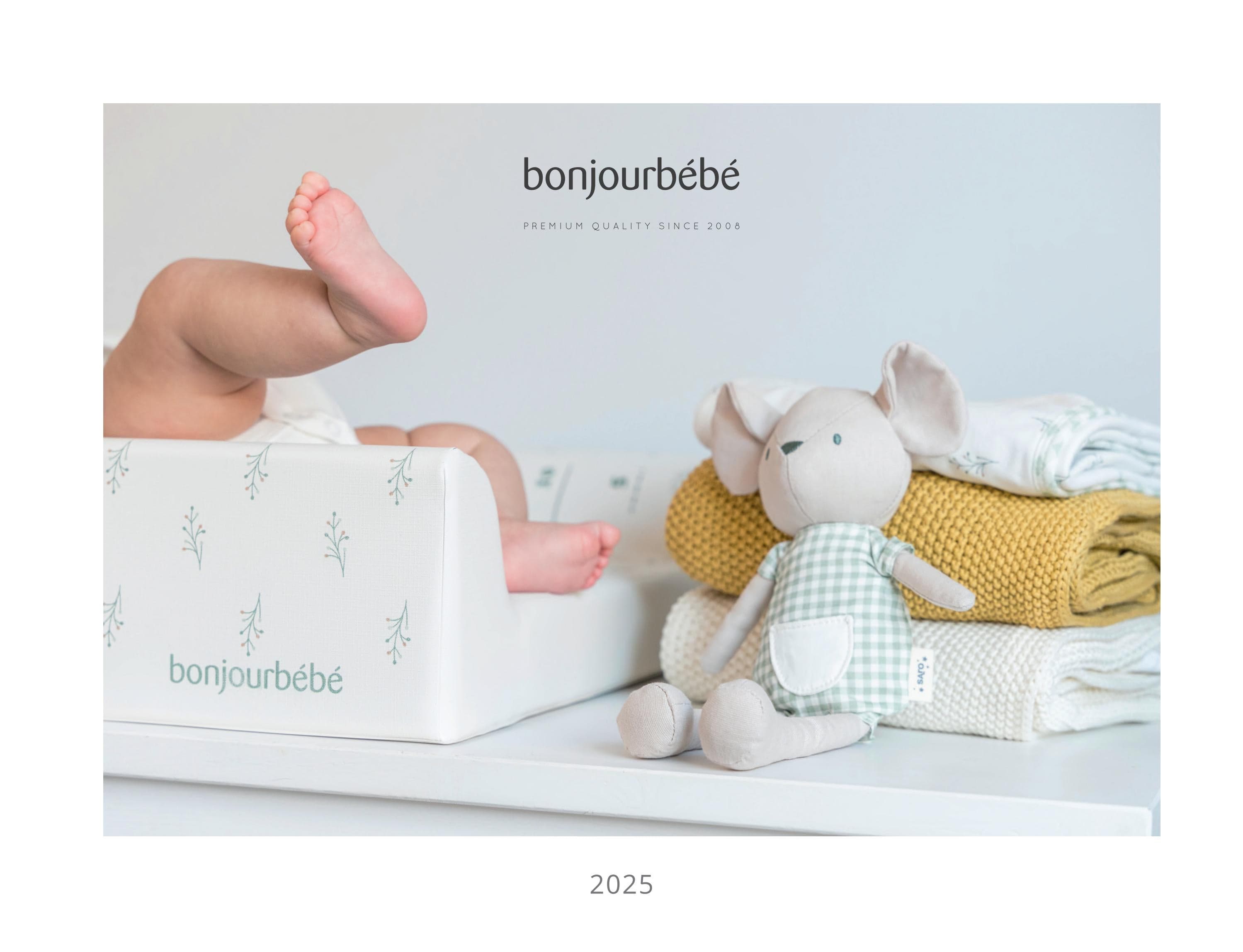
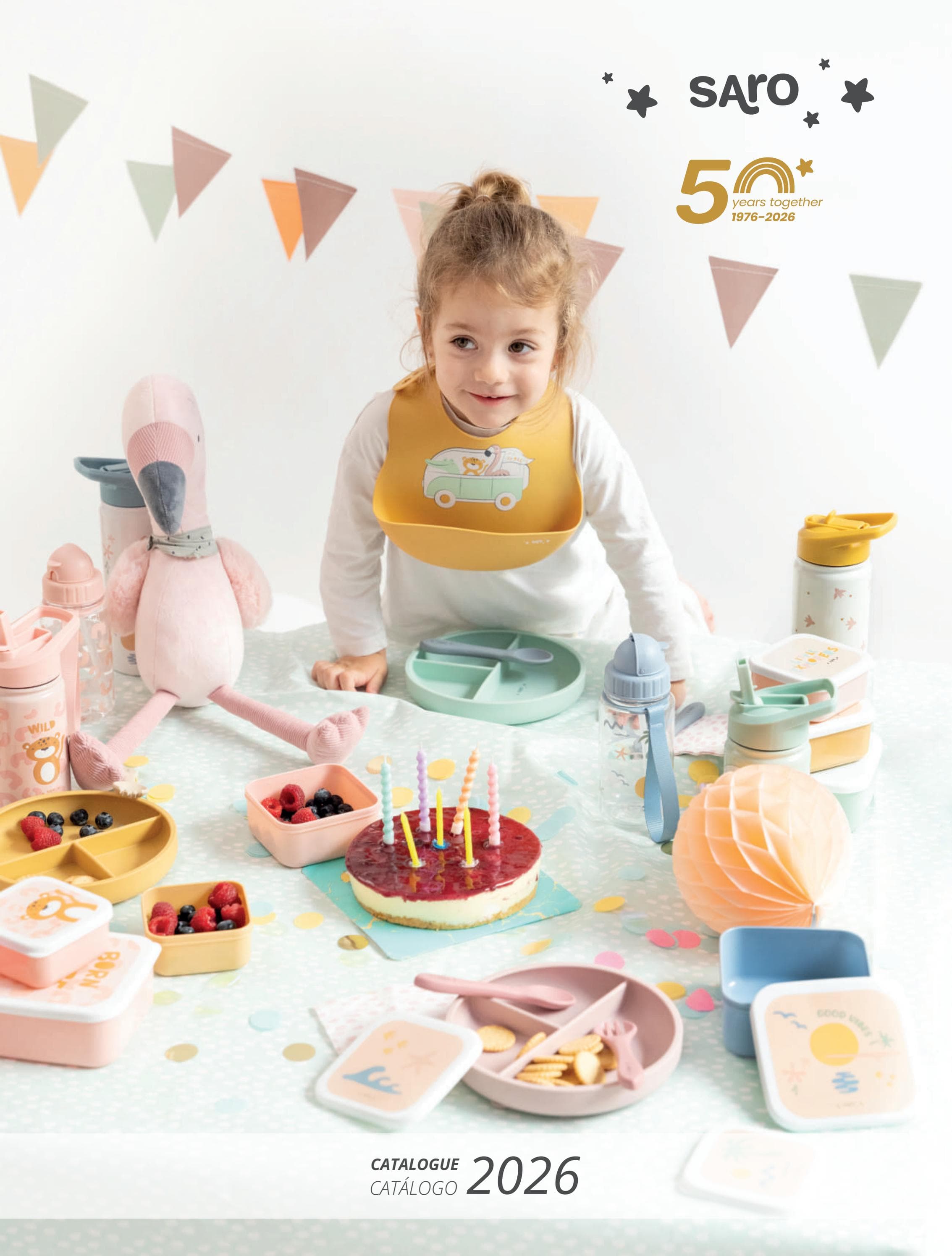
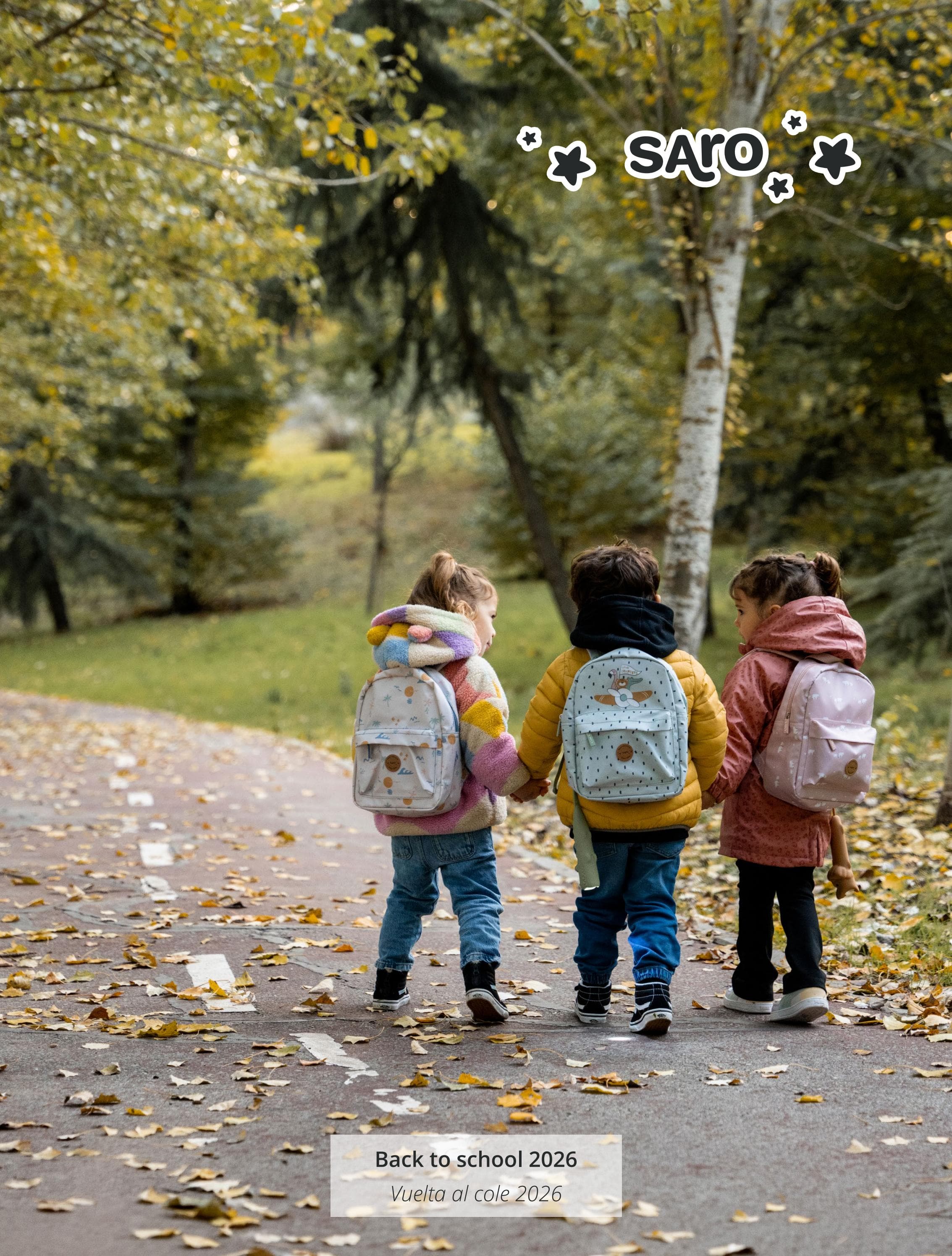
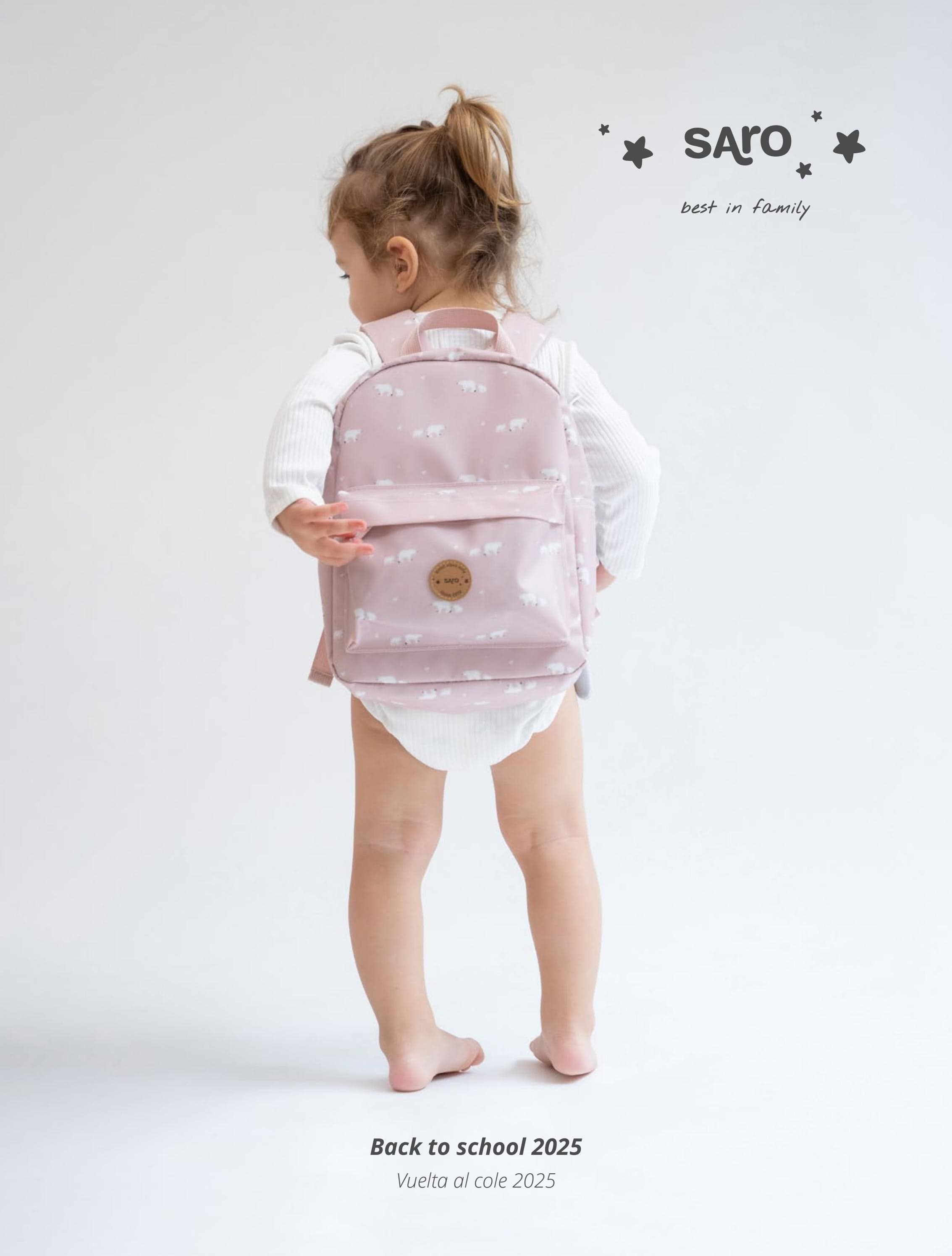
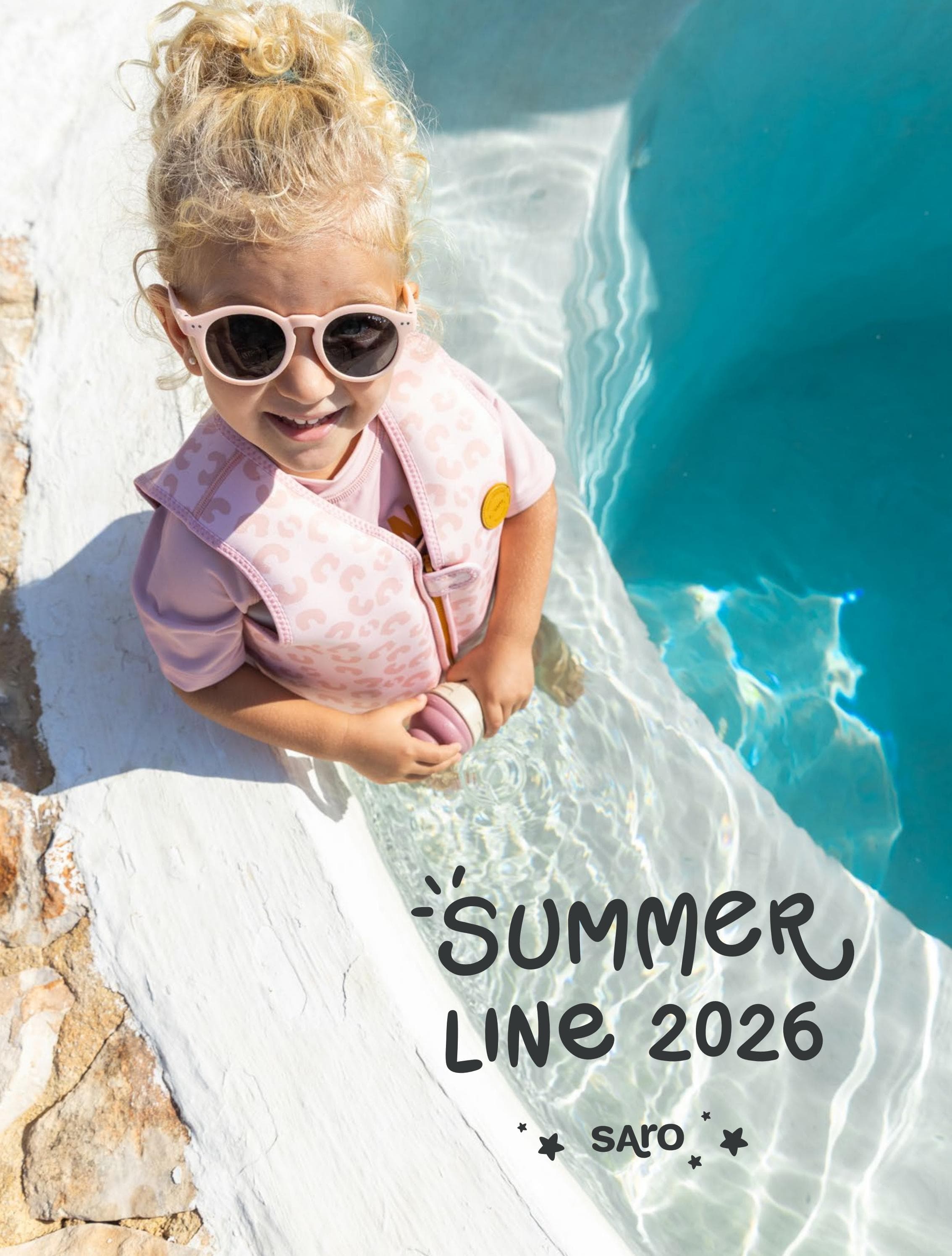
Most of the catalogs below are mailed free or available as digital editions you can flip through online. The Tea Collection seasonal capsules are particularly worth requesting if you appreciate the brand's globally-inspired editorial photography (each capsule is shot on location in the country that names the collection). Childsplay's lookbooks showcase the curated mix of European luxury kids brands (Bonpoint, Stella McCartney Kids, Burberry Children, Mini Rodini and more) the way a high-end specialty boutique would merchandise them. Saro and Bonjourbébé from the Saro family are the best reference for Spanish premium baby essentials and the layette category. Together these catalogs cover the full premium kids apparel landscape from newborn through tween.