 Digital
 Digital
.png&w=3840&q=75) Digital
Digital.png&w=3840&q=75) Free ShippingDigital
Free ShippingDigital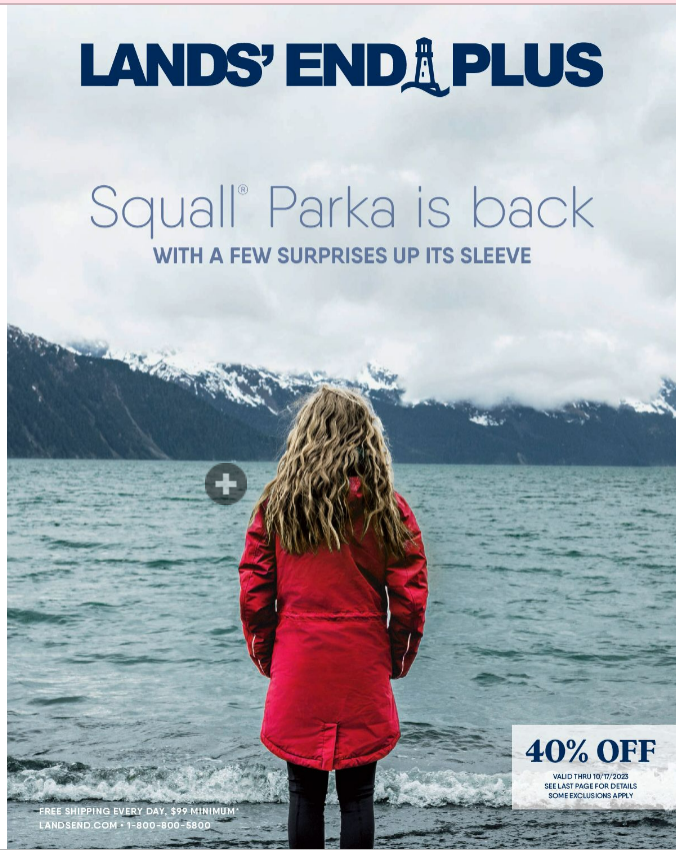 Digital
.png&w=3840&q=75) Free ShippingDigital
Free ShippingDigital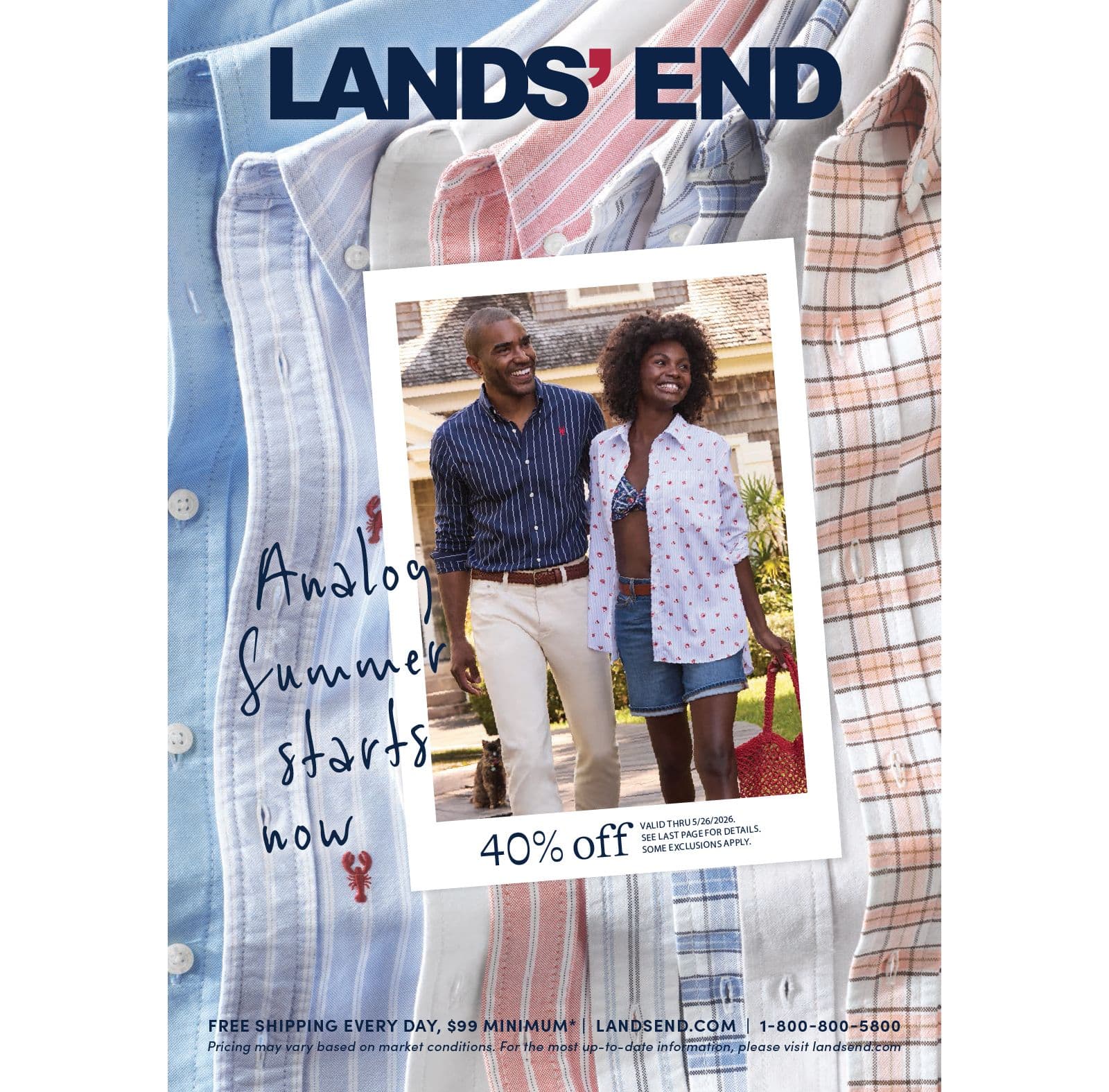 Digital
 Digital
 Digital
 Digital
 Digital
 Free CatalogDigital
 Digital
 Free CatalogDigital
 Digital
Browse free heritage mail-order apparel catalogs from Pendleton, Sundance, Lands' End, Talbots, Garnet Hill and more — request brochures by mail or shop digital.
The American Mail-Order Apparel Tradition
American mail-order apparel is one of the oldest continuous retail formats in the country — older than the department store, older than the shopping mall, and still going strong in 2026 even as most other catalog categories have shifted entirely to digital. The format traces to Aaron Montgomery Ward's 1872 single-sheet price list and the 1893 Sears catalog, but the modern heritage mail-order apparel category took shape after World War II when L.L. Bean (founded 1912 in Freeport, Maine) standardized the four-season seasonal catalog mailing, Lands' End (founded 1963 in Chicago) brought the long-form story-led catalog copy that defined the category for thirty years, and Eddie Bauer (founded 1920 in Seattle) made the outdoor-outfitter aesthetic a mass-market mail-order proposition.
What distinguishes heritage mail-order apparel from fast-fashion ecommerce is the editorial catalog itself. The catalog isn't a product list — it's a seasonal magazine: location-shot lifestyle photography, designer profiles, fabric heritage stories, fit guides, and the slow editorial cadence (typically four seasonal mailings per year plus a holiday book) that gives the category its distinct visual identity. The brands that survived the great catalog die-off of 2000-2015 did so because they kept printing — Lands' End still mails ~12 books per year, L.L. Bean ships its iconic spring and fall books to millions of households, Sundance produces the lavish monthly book that defined the Southwest-Americana aesthetic for thirty years, and Pendleton continues the wool-heritage catalog tradition that goes back to 1909.
The Heritage Brands
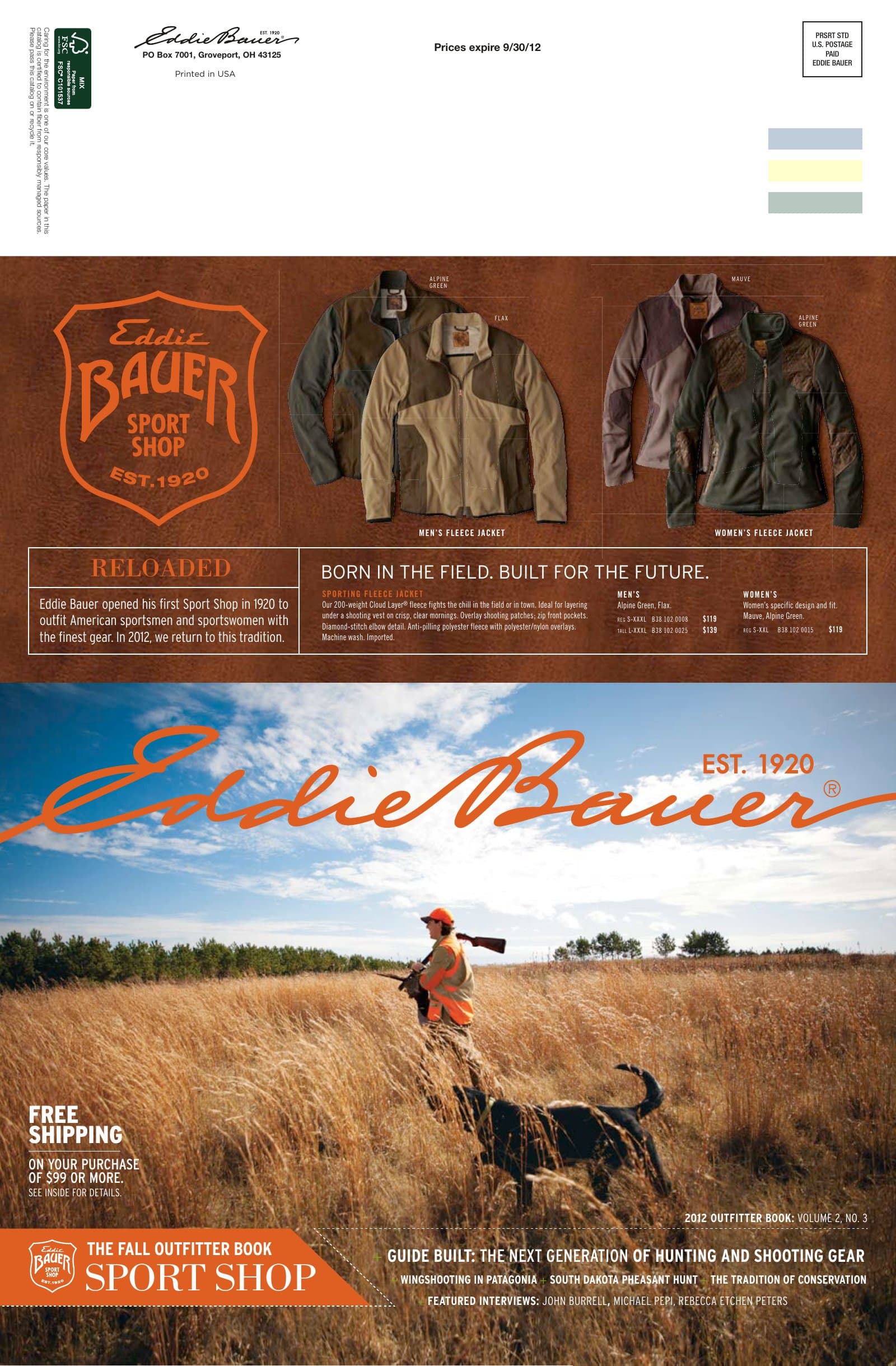
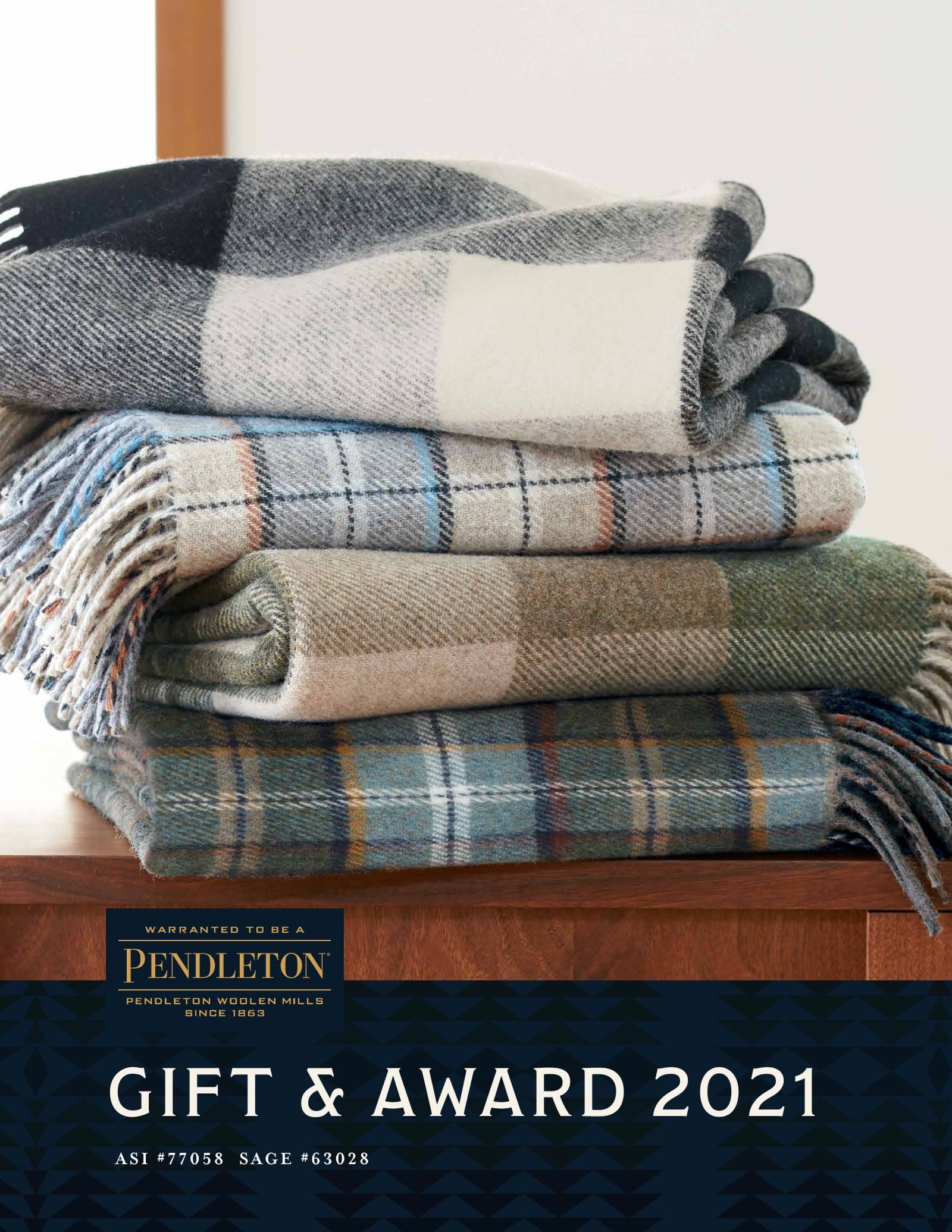
The heritage mail-order apparel category in 2026 is anchored by a tight group of multi-generational brands. L.L. Bean — Freeport, Maine, founded 1912 — defines the outdoor-traditional New England aesthetic and the most-trusted mail-order returns policy in retail history. Lands' End — founded 1963, Dodgeville, Wisconsin — brought editorial long-form to the catalog and remains the definitive source for classic American basics (Lands' End was also one of the first catalog companies to commit to lifetime guarantees and made-in-USA manufacturing). Pendleton — Portland, Oregon, founded 1909 — is the heritage American wool brand, with the National Park Blanket series, the iconic Western shirts, and the Indian-trade blanket designs licensed back to the original tribal artists. Eddie Bauer — Seattle, founded 1920 — invented the quilted down jacket (1936, the Skyliner) and built the American outdoor-outfitter category before REI existed.
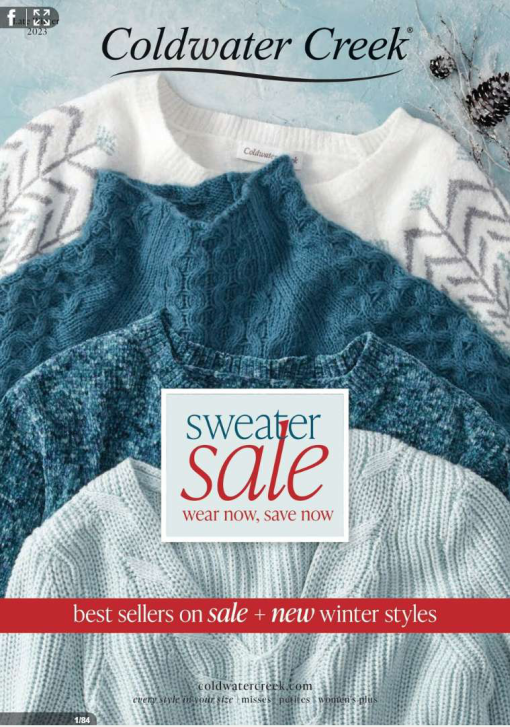
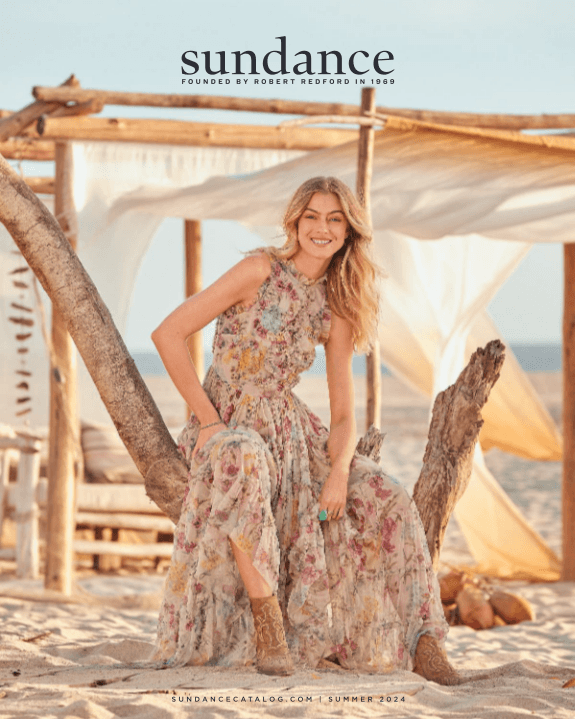
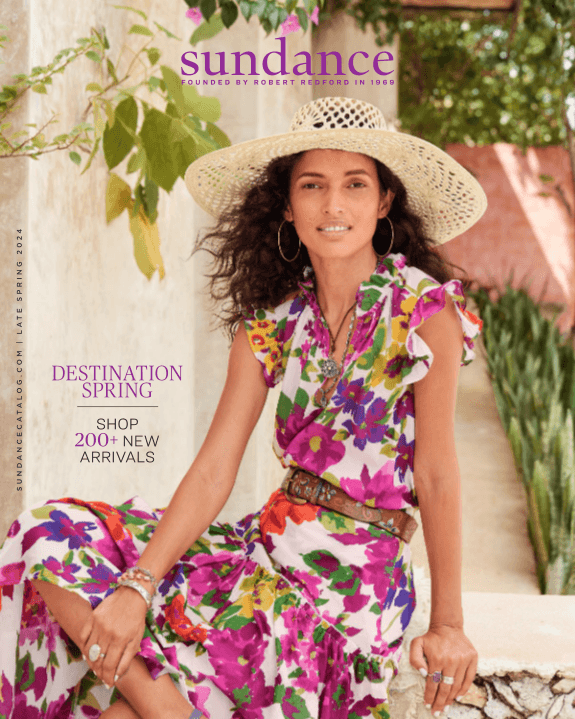
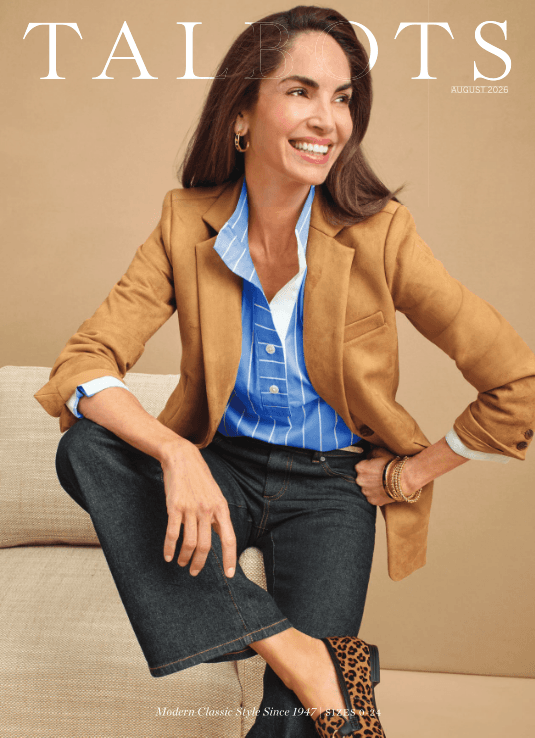
Sundance Catalog — founded 1989 by Robert Redford to support American artisan craft — is the most editorially-distinct catalog in the category, with location shoots, designer stories, and a sustained focus on independent American jewelers, leather workers, and apparel makers. Garnet Hill — Franconia, New Hampshire, founded 1976 — built the natural-fiber bedding-and-sleepwear category around a flannel-sheet hero product and expanded into women's and children's wear with the same fabric-first philosophy. Talbots — Hingham, Massachusetts, founded 1947 — is the heritage classic-women's-wear catalog with the iconic red-door retail aesthetic translated to print. Coldwater Creek — relaunched in 2014 after a 2014 retail bankruptcy and re-emerged as a catalog-led DTC brand — anchors the size-inclusive heritage-classic women's segment.
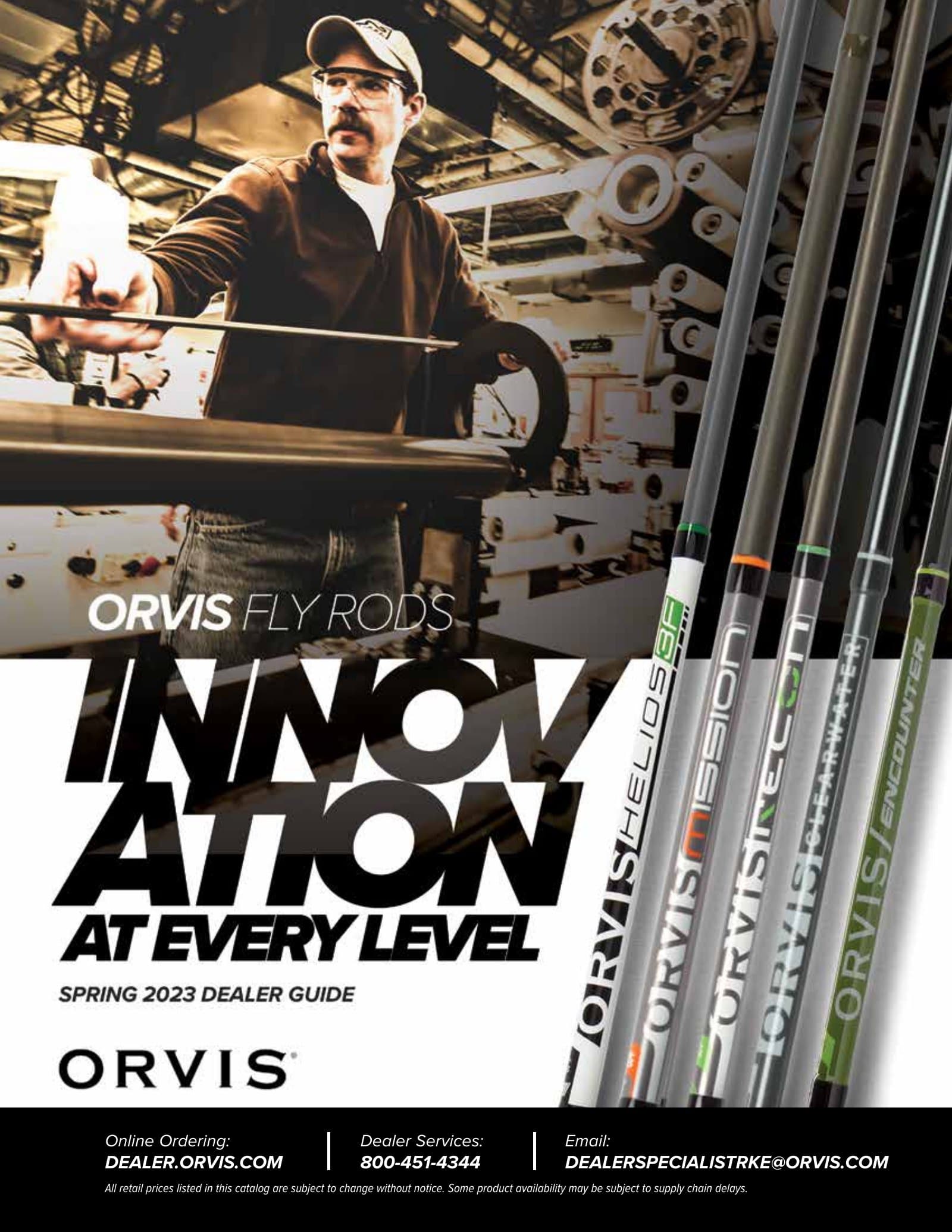
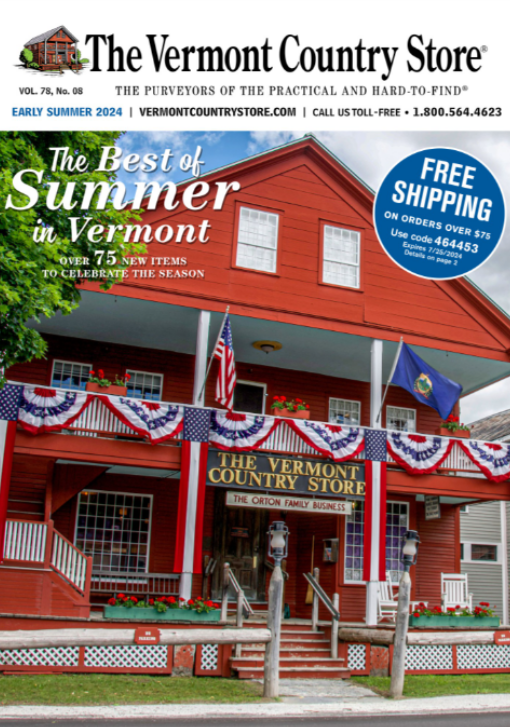
The Vermont Country Store — Weston, Vermont, founded 1946 — is the most distinctively-American general-merchandise mail-order book, mixing apparel with hard-to-find pantry items, classic toys, and the discontinued-housewares-revival category that's the brand's signature. Orvis — Manchester, Vermont, founded 1856 (the oldest mail-order company in America) — defines the upland-sportsman and fly-fishing apparel category. J.Peterman — Lexington, Kentucky, founded 1987 — is the editorially-eccentric narrative-led catalog that built its identity on long-form item descriptions (and was famously fictionalized on Seinfeld). Soft Surroundings and Norm Thompson round out the heritage women's-wear group; Boden (UK) and Carbon38 bring the modern DTC tradition into the same catalog format.
What to Look For in a Mail-Order Apparel Catalog
Mail-order apparel catalogs serve four distinct shopping intents. Seasonal editorial books (L.L. Bean Spring, Sundance March/April, Pendleton FW lookbook) introduce the season's new collection with full lifestyle photography and editorial copy — the catalog you flip through for inspiration before deciding what to buy. Specialty edition books (Lands' End Plus, Lands' End Kids, Garnet Hill Bedding, Sundance Jewelry, Orvis Fly Fishing, Eddie Bauer Outfitter) drill into a single product family with the depth that the master catalog can't carry. Holiday books (Lands' End Holiday, Talbots Holiday, Sundance Holiday) condense the year's gift-worthy items into a tight 80-120-page format optimized for the November-December shopping window. Heritage/anniversary books (Pendleton Heritage, L.L. Bean centennial editions) lean into the brand's archive — vintage photography, founder stories, the items that defined the brand.
Two practical things to check before requesting a print catalog: shipping window (L.L. Bean and Lands' End typically deliver within 5-10 business days; smaller heritage brands like Vermont Country Store and Sundance can take 2-3 weeks for the print mailing to arrive), and fit-guide depth (heritage brands carry truer-to-size grading than fast-fashion ecommerce — Lands' End and L.L. Bean's fit guides are the industry benchmark for ordering true sizes by mail and getting them right the first time, which is part of why the category survived the ecommerce shift).
Why the Print Catalog Survived in Apparel When It Died Everywhere Else
The mail-order apparel catalog survived the great category collapse of 2005-2015 for reasons specific to clothing as a product. First, fabric and fit don't translate to a 1.5-inch product thumbnail on a phone screen — the photography in a 9-by-11-inch printed catalog still conveys drape, weight, and color in a way no ecommerce site has matched. Second, the seasonal cadence (four to six mailings per year per brand) creates a household ritual that builds repeat-purchase behavior the algorithmic discovery layer can't replicate. Third, heritage apparel customers skew older and more affluent — exactly the demographic that still reads print catalogs and orders by phone — and the brands that kept printing kept retaining that customer base while pure-digital competitors churned through customer acquisition costs.
The category bottomed out around 2015 when Coldwater Creek liquidated and several mid-tier brands (Norm Thompson, Sundance pre-restructuring) cut back catalog volumes. Since 2020, every major heritage brand has either maintained or increased catalog frequency — the print catalog turned out to be the most defensible piece of customer-acquisition infrastructure in apparel retail, and the brands that doubled down on it (Lands' End under Comenity, Sundance under SK Capital ownership, Pendleton family-owned) have outperformed pure-digital DTC peers through the 2024-2026 retail cycle.
Heritage Tiers: Which Catalog Is Right for You
The heritage mail-order apparel category sorts into three tiers worth understanding before requesting. The classic American outdoor tier (L.L. Bean, Eddie Bauer, Orvis, Pendleton) anchors the category — multi-generational brands with deep archives, lifetime guarantee policies, and rugged-traditional aesthetic that hasn't shifted with fashion cycles. These brands publish the largest catalogs (often 200-300+ pages for the flagship spring and fall books) and serve as the entry point for most first-time mail-order apparel customers. The classic American women's-wear tier (Talbots, Coldwater Creek, Soft Surroundings, Norm Thompson, Garnet Hill, J.Jill) focuses on the timeless-classic women's apparel category that retail has chronically under-served since the 1990s mall-collapse. These brands run tighter catalogs (typically 80-150 pages) with more frequent mailings and stronger size-grading depth. The premium editorial tier (Sundance, J.Peterman, Garnet Hill premium lookbooks, Boden US) is where the heritage mail-order format crosses into magazine-grade editorial — slower cadence, denser narrative copy, higher production values, and a higher price point that funds the bigger catalog investment.
Cross-tier, the specialty kids' apparel sub-category (Lands' End Kids, Garnet Hill Kids, Boden Mini, Hanna Andersson) deserves separate mention. Heritage children's-apparel catalogs are the single most-engaged segment in the category — parents read them cover-to-cover, mark items by season, and place orders specifically because the print format makes side-by-side comparison of size, fit, and material easier than scrolling a children's apparel ecommerce site.
Brand Tradition Notes Worth Knowing
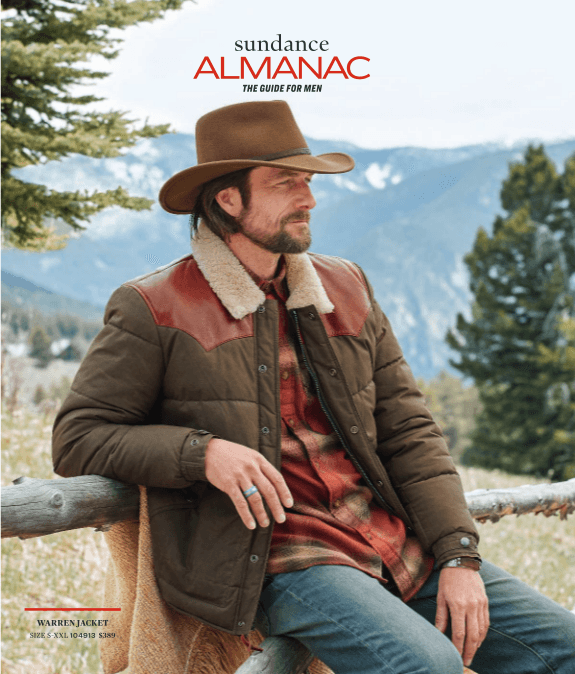
A few category details worth knowing before you order. Lands' End still honors the original lifetime guarantee written by Gary Comer when the brand was founded in 1963 — return any item, any time, for any reason. L.L. Bean shortened its lifetime guarantee to a one-year return window in 2018 but the brand's repair-and-restore service is still operational for the iconic Bean Boot and the original chamois shirts. Pendleton produces every wool blanket and shirt at the Washougal, Washington and Pendleton, Oregon mills — vertical integration that's unusual in 2026 apparel manufacturing and one of the reasons the brand's products carry the premium prices and the multi-generation durability that defines the category. Orvis publishes more than 50 distinct catalogs per year across men's, women's, fly-fishing, hunting, dog products, and home — request the right master catalog for the category you actually buy from rather than the generic Orvis book. Sundance mails the monthly Sundance Catalog plus the quarterly Sundance Jewelry book; the Mens Almanac is a recent addition that extends the brand's men's category into the same editorial format.
Free Heritage Mail-Order Apparel Catalogs by Mail
Every catalog listed on this page is available free — request a print copy by mail or flip through the full digital version online. The heritage mail-order apparel brands have kept the catalog request flow simple: name, mailing address, and (for some brands) email — no credit card, no minimum order, no subscription commitment. The print catalog typically arrives 1-3 weeks after the request depending on the brand's mailing cycle, and most heritage brands will continue mailing the seasonal book to your address for 12-24 months after the first request. To stop receiving a catalog at any time, the brand-side opt-out instructions are on the back cover of every issue.
For the brands listed here that publish multiple catalog editions per year, the digital catalog on this page is typically the most recent seasonal book the brand has released. Print-by-mail requests will be fulfilled with whatever seasonal book the brand is currently mailing — so requesting in March will typically deliver the spring book, requesting in September will deliver the fall book, and requesting in November will deliver the holiday book. For brands like L.L. Bean and Lands' End that run continuous seasonal mailings, requesting a catalog typically adds the household to the brand's permanent mailing list — meaning you'll receive every subsequent seasonal book and the year-round secondary specialty editions (Plus Sizes, Kids, Holiday, Outdoor Outfitter, Mens Almanac) without needing to re-request. Heritage mail-order apparel is one of the few retail categories where the catalog itself is part of the brand experience — many customers report keeping seasons of back issues, marking items for future reference, and treating the catalog as much as a periodical as a shopping tool.