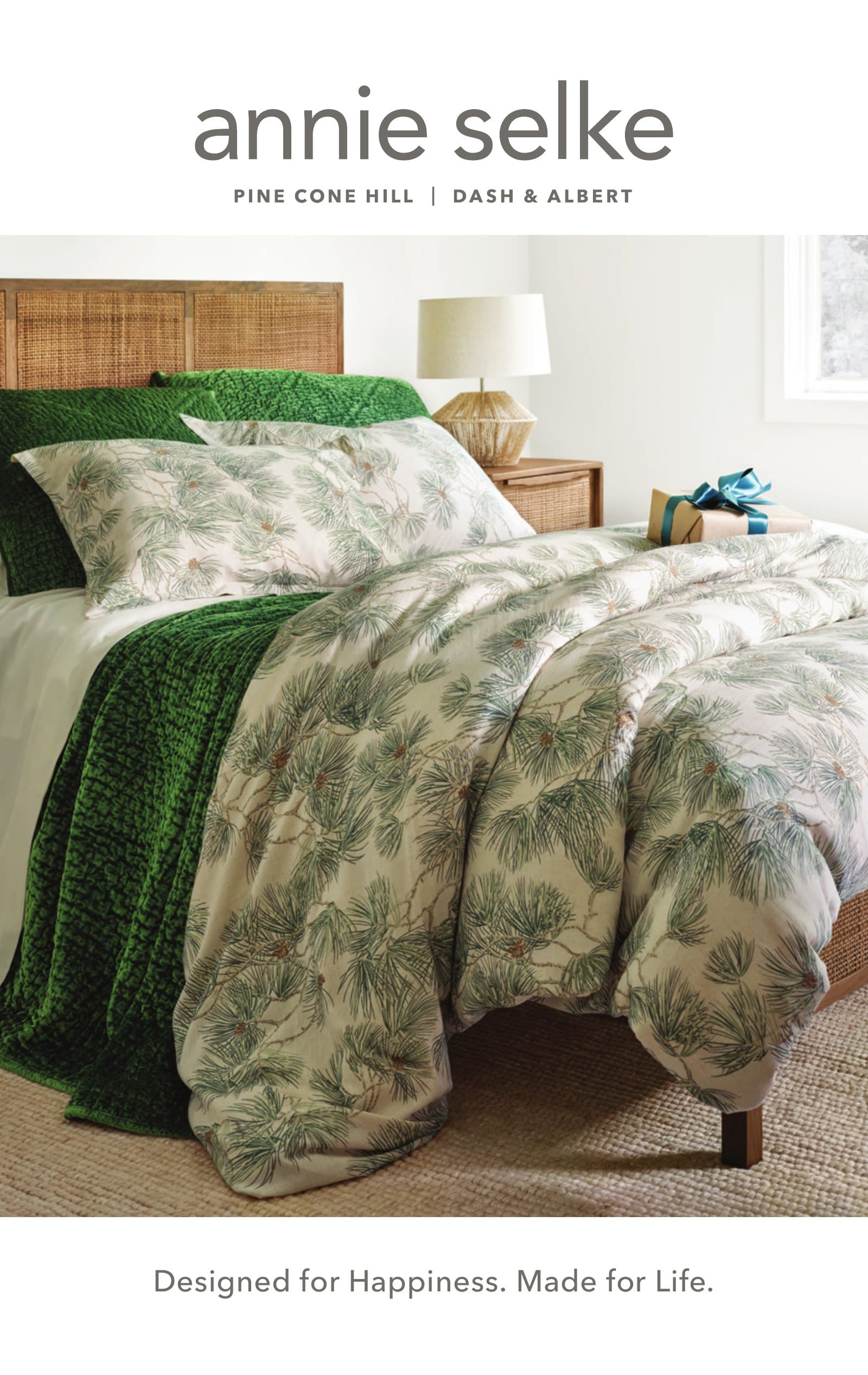
 Digital
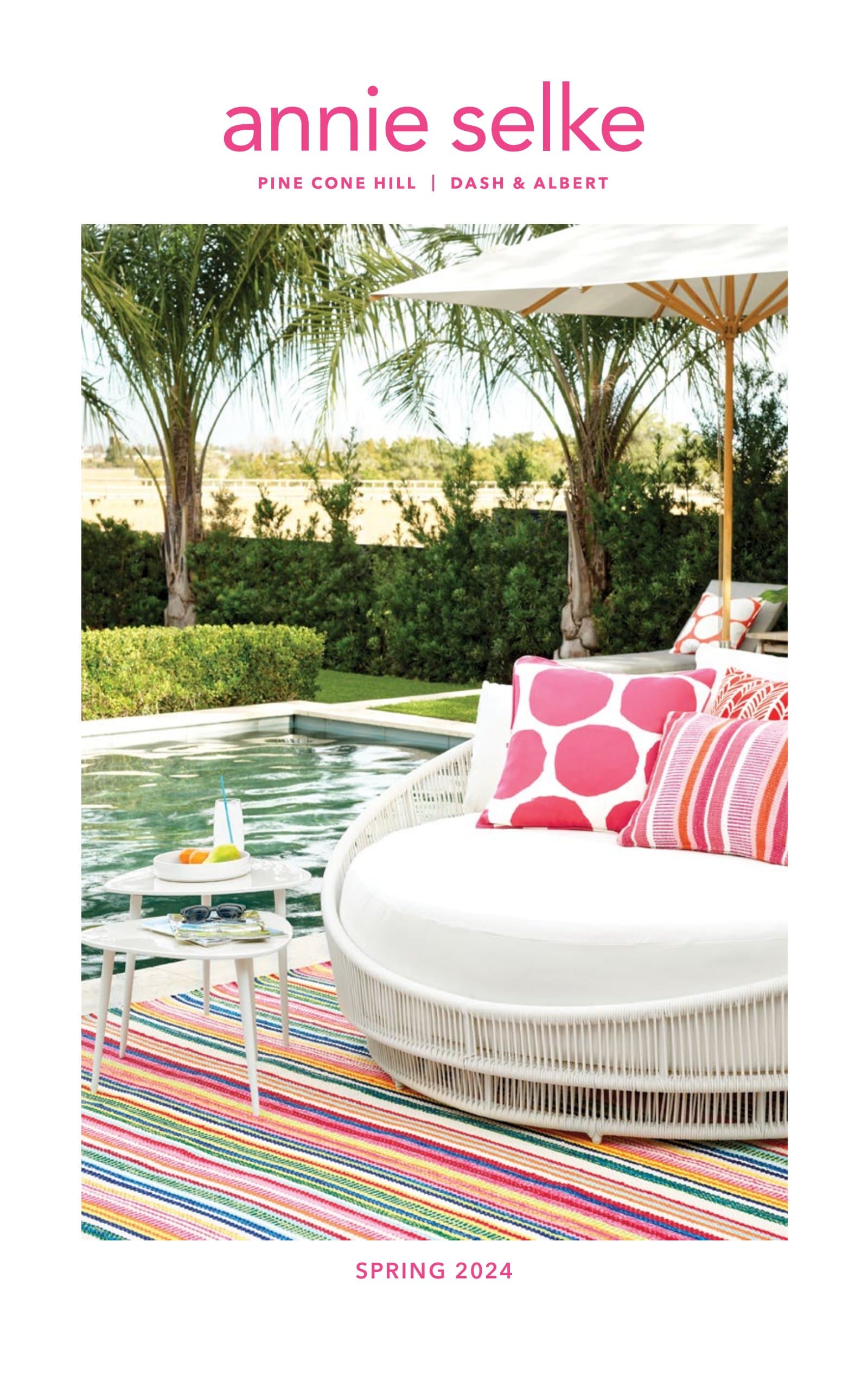 Digital
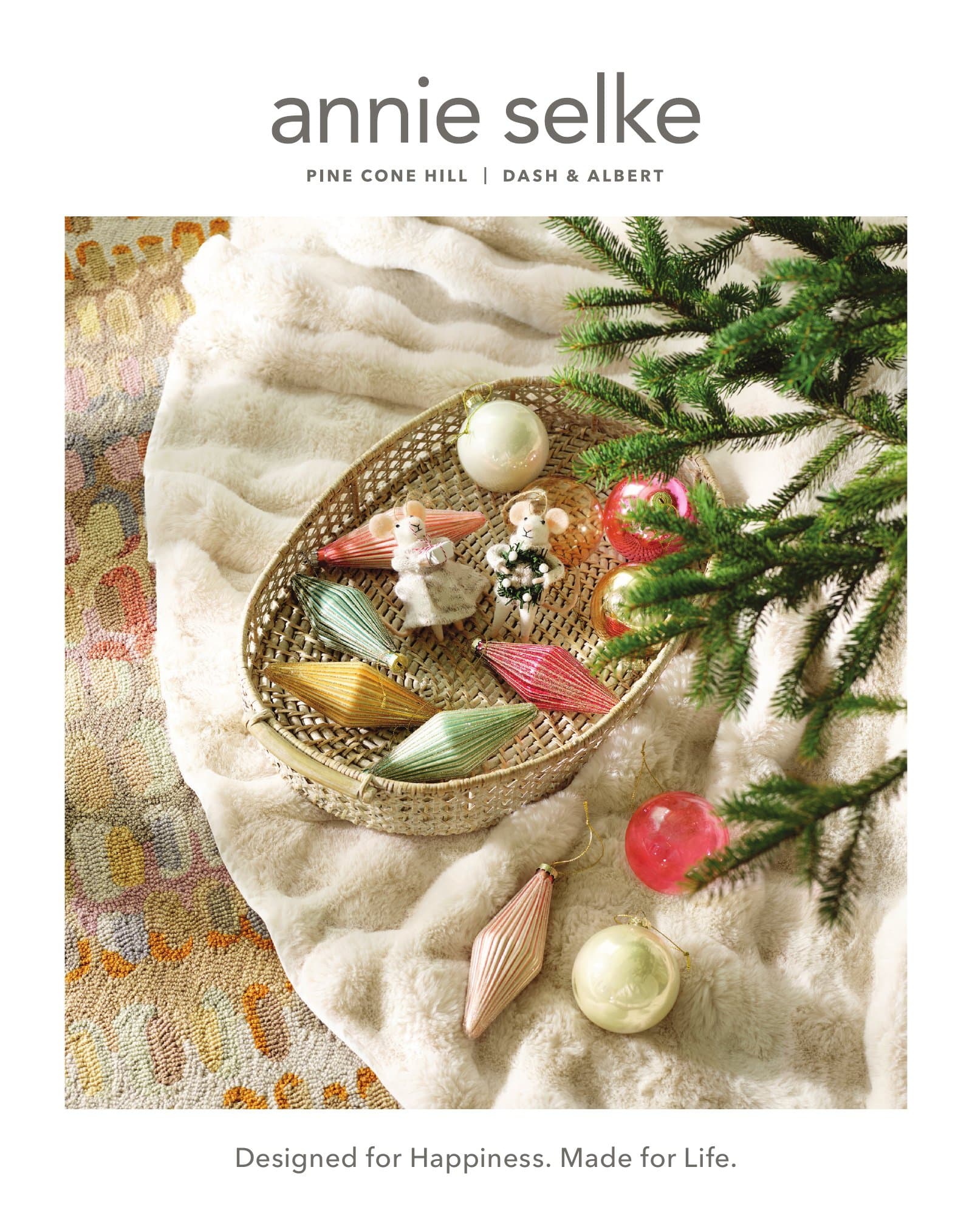 Digital
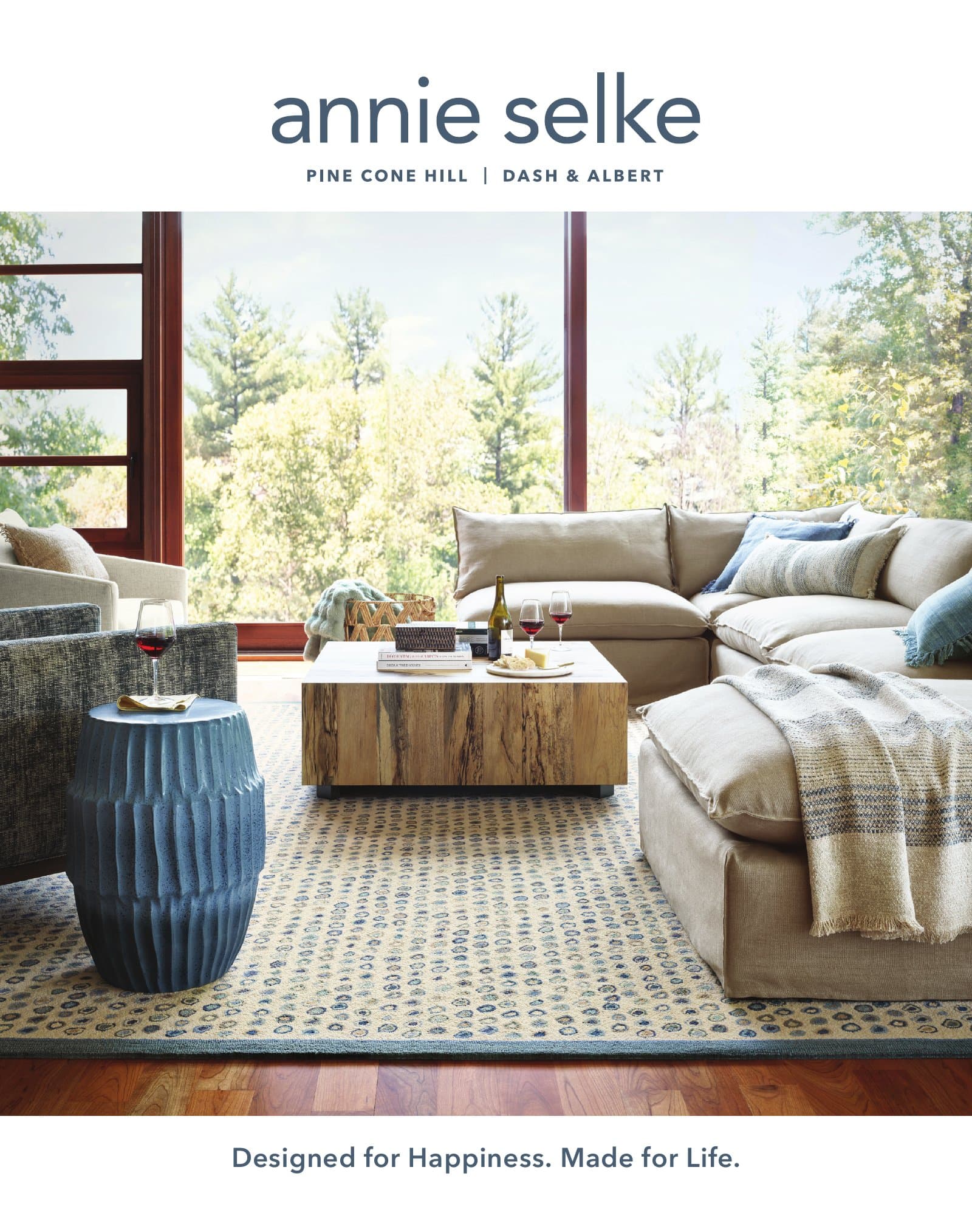 Digital
 Digital
 Digital
 Digital
 Digital
 Digital
 Digital
 Digital
 Digital
 Digital
 Digital
 Digital
 Digital
 Digital
 Digital
 Digital
 Digital
 Digital
 Digital
Browse free premium rug and floor-covering catalogs from Stark Carpet, Holly Hunt, Mansour Modern, Karastan, Couristan, Loloi, Surya, Safavieh, Annie Selke Dash & Albert, Pottery Barn and more — hand-knotted, hand-tufted, flatweave, broadloom, and machine-made.
Premium area rugs and floor coverings sit at a critical intersection of design — the largest single piece of fabric in a room, anchoring scale, color, and texture before the furniture even arrives. Whether you're sourcing a hand-knotted Persian for a formal living room, a Beni Ourain for a sun-flooded great room, a flatweave Dash & Albert for a beach house, or wall-to-wall broadloom for a primary bedroom suite, the catalogs below let you see how each maker thinks about pattern, pile, and material — with construction details, fiber specs, and origin disclosures that you almost never get on a retailer product page.
Rug & Floor-Covering Categories at a Glance
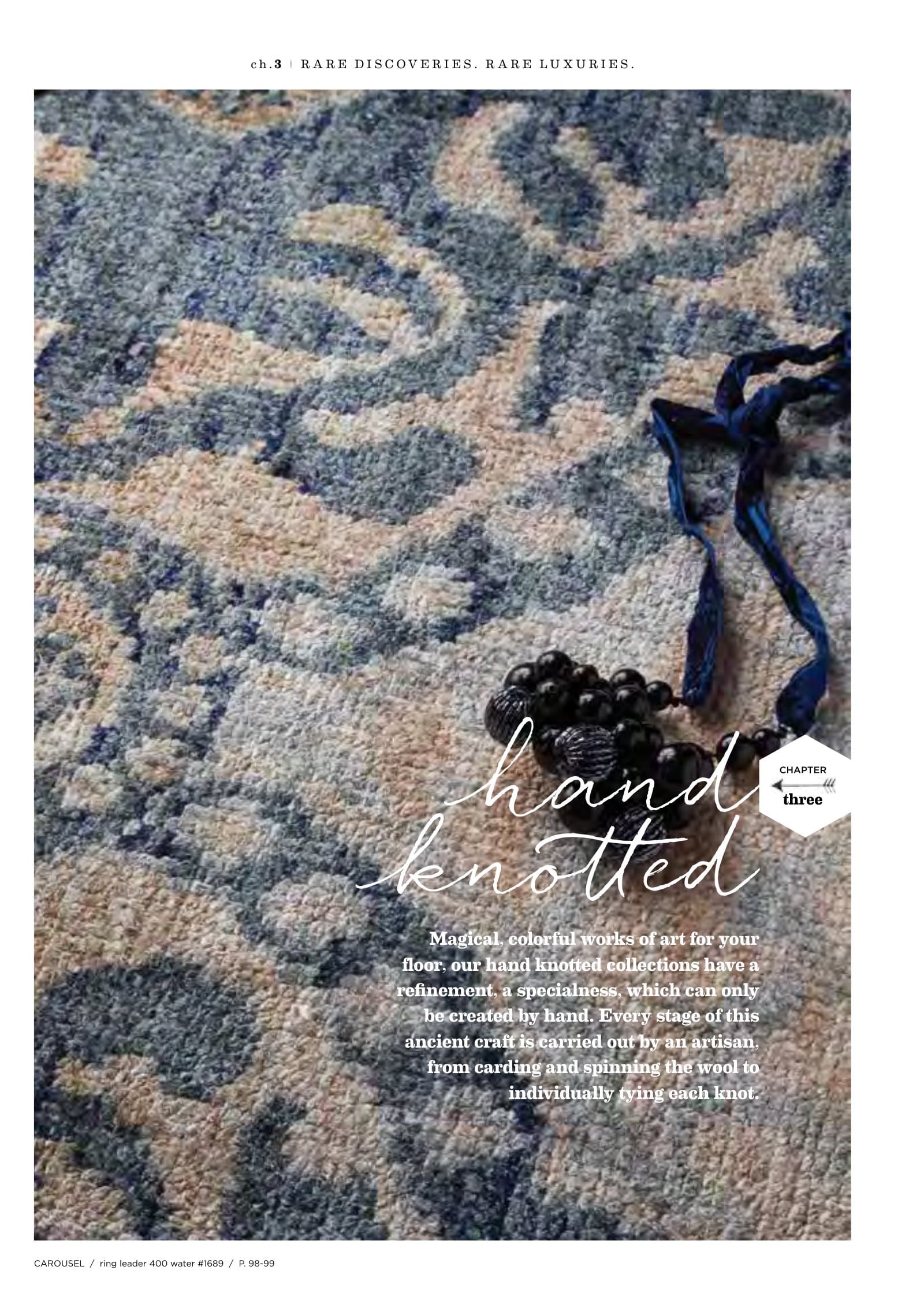
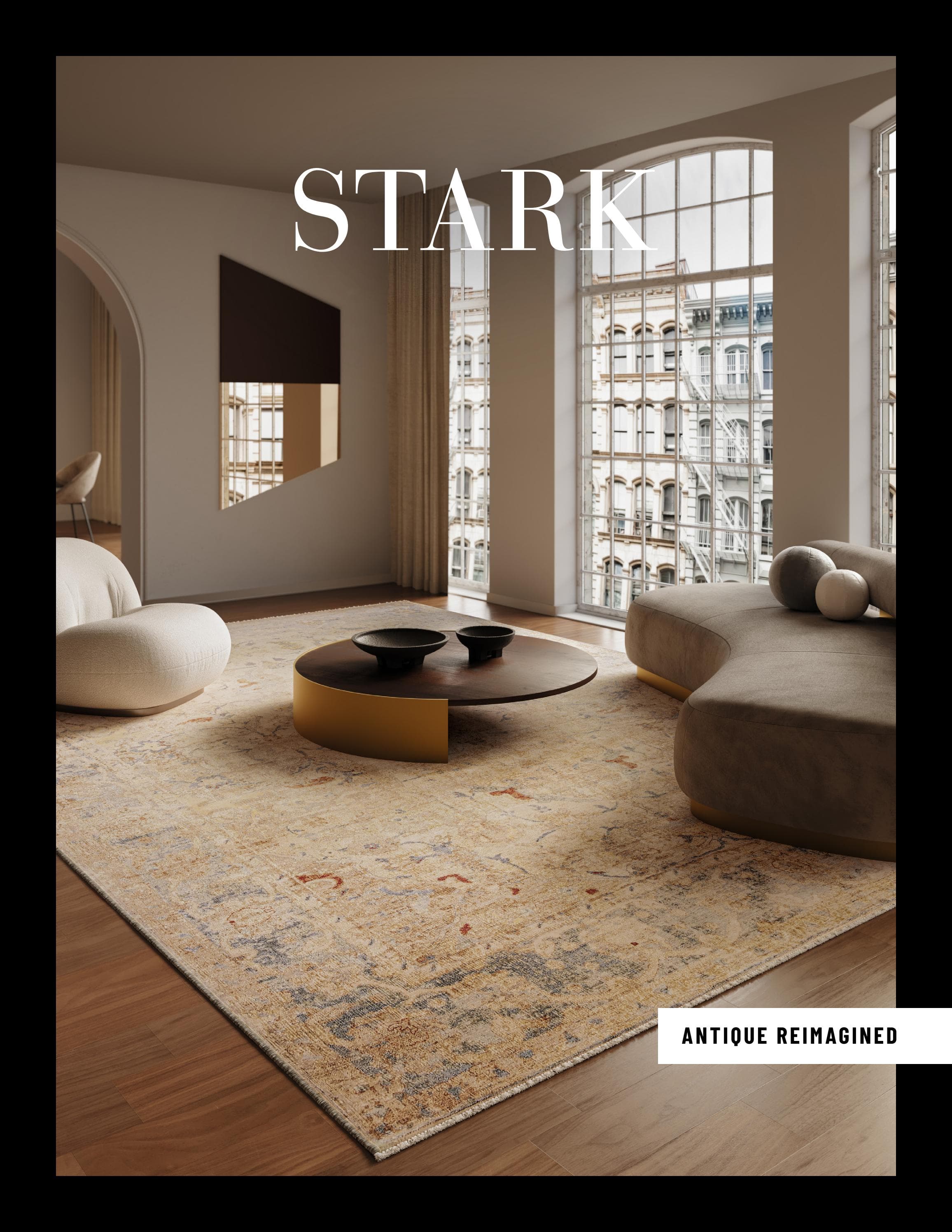
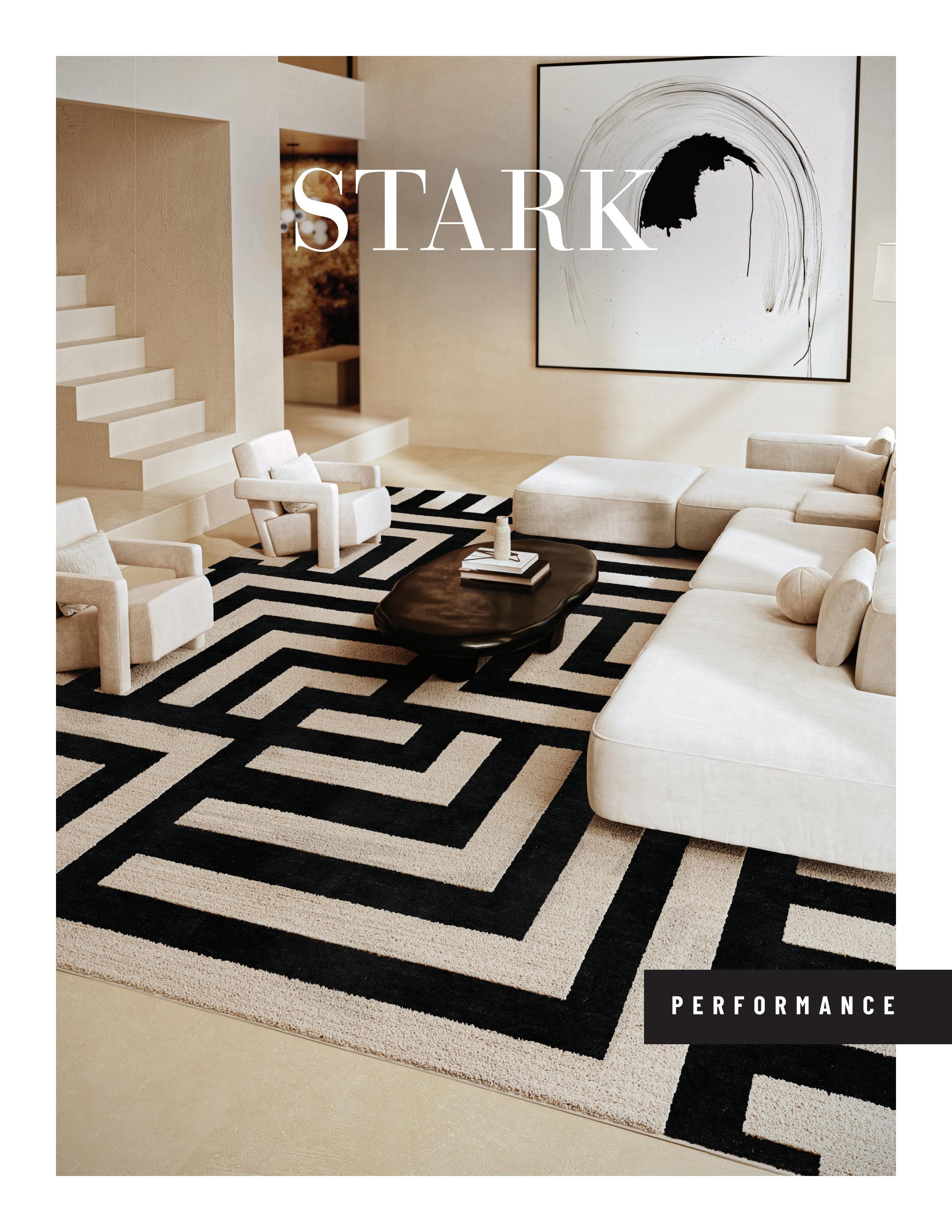
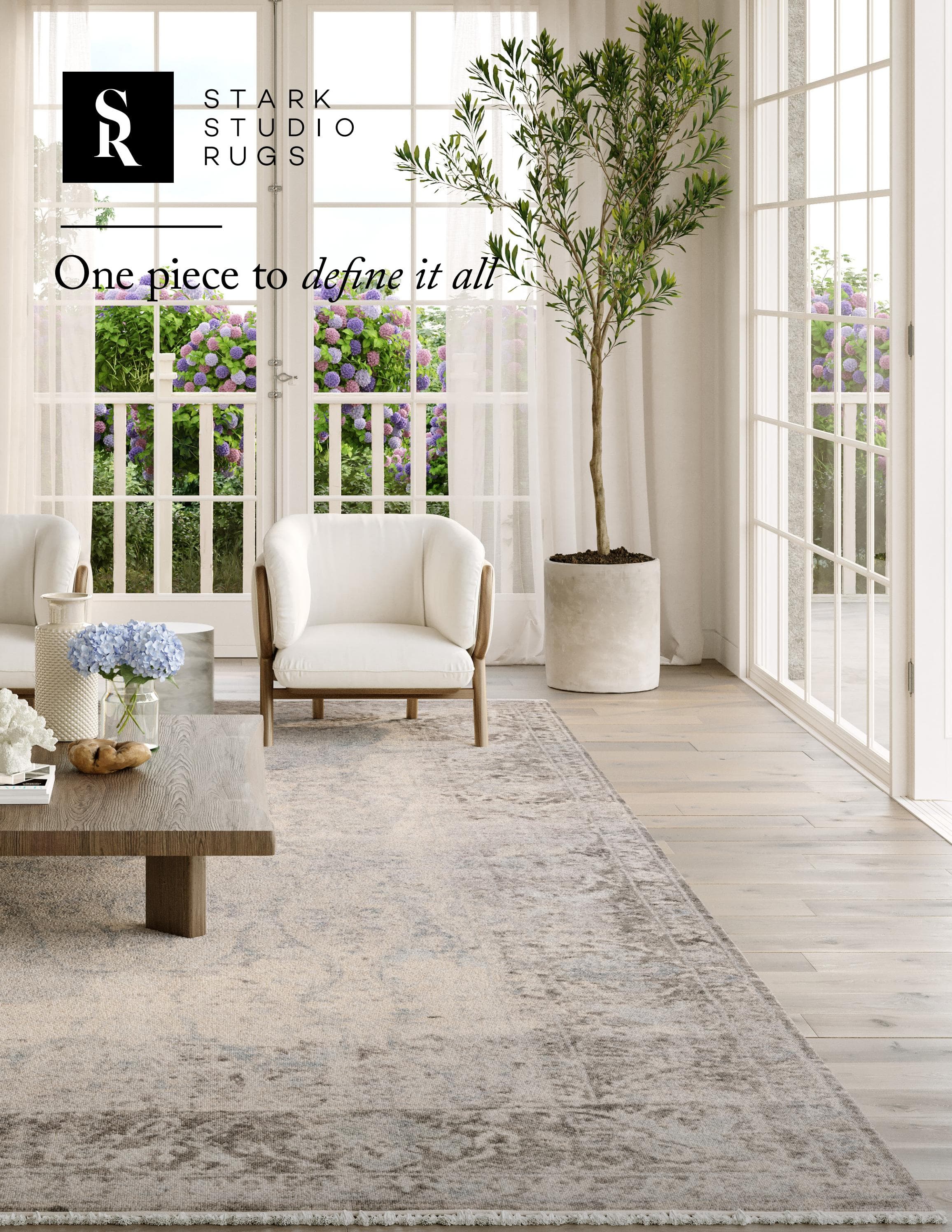
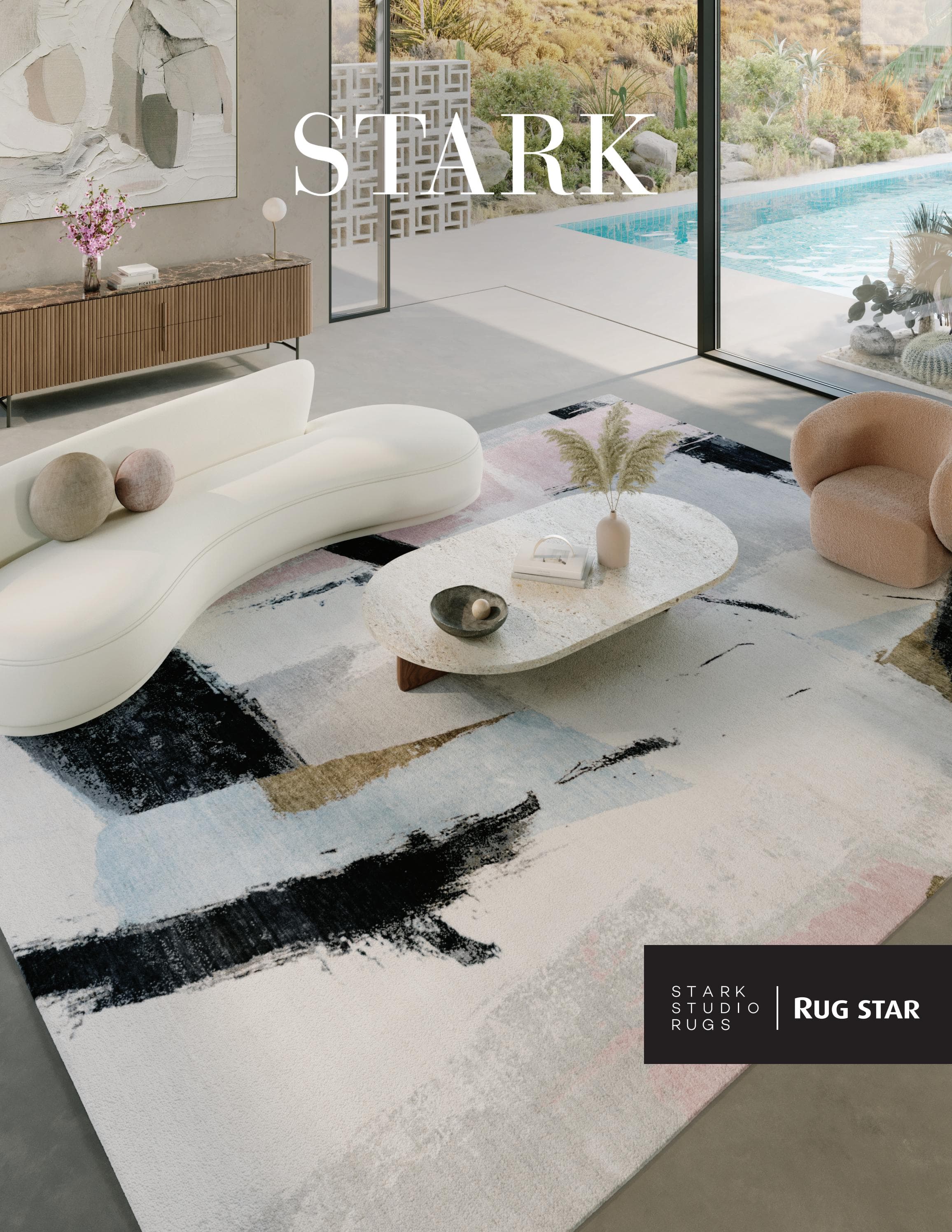
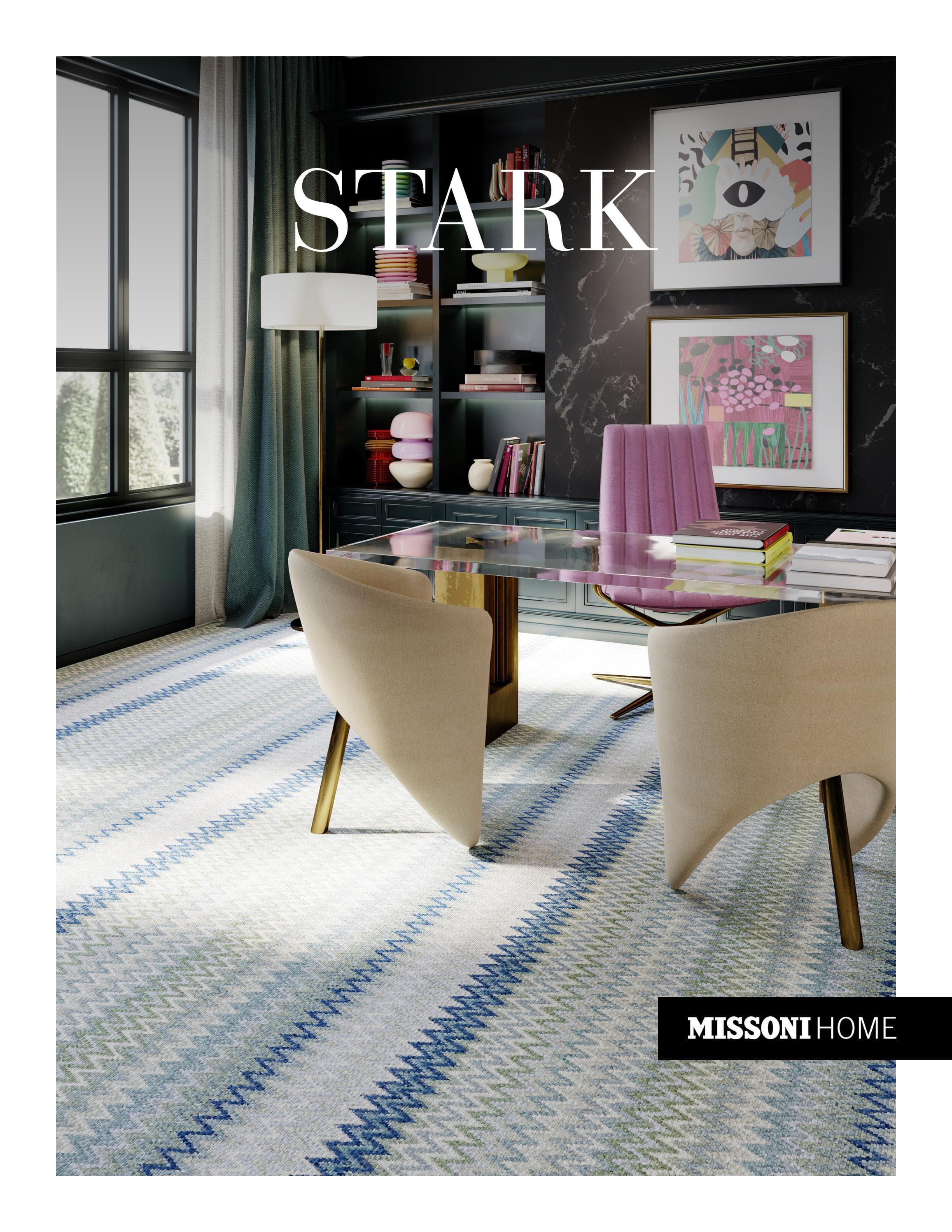
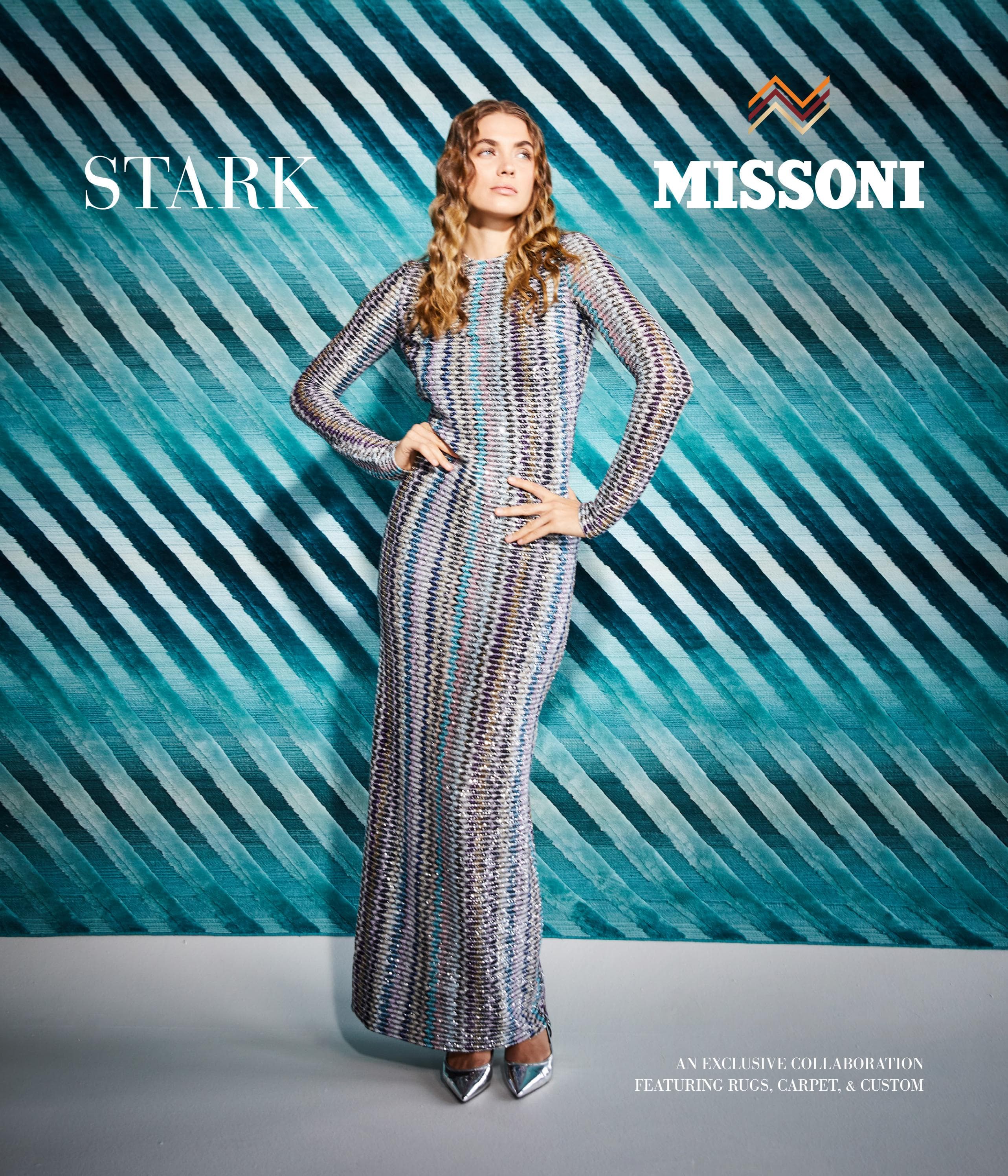
Hand-knotted luxury — Stark Carpet, Holly Hunt Rugs, F.J. Hakimian, Mansour Modern, Doris Leslie Blau, Tibet Rug Collection, ABC Carpet & Home, and The Rug Company sit at the top of the category. Knots are tied by hand on a vertical loom; a 9×12 hand-knotted Persian or Tibetan rug typically represents 6–18 months of labor depending on knots-per-inch density. Materials are usually pure wool, hand-spun and vegetable-dyed, with optional silk highlights. Price points run $8,000 to $80,000+ depending on size, density, and material. These makers are largely trade-only — their catalogs are intended for designers, architects, and high-end homeowners working with an interior designer.
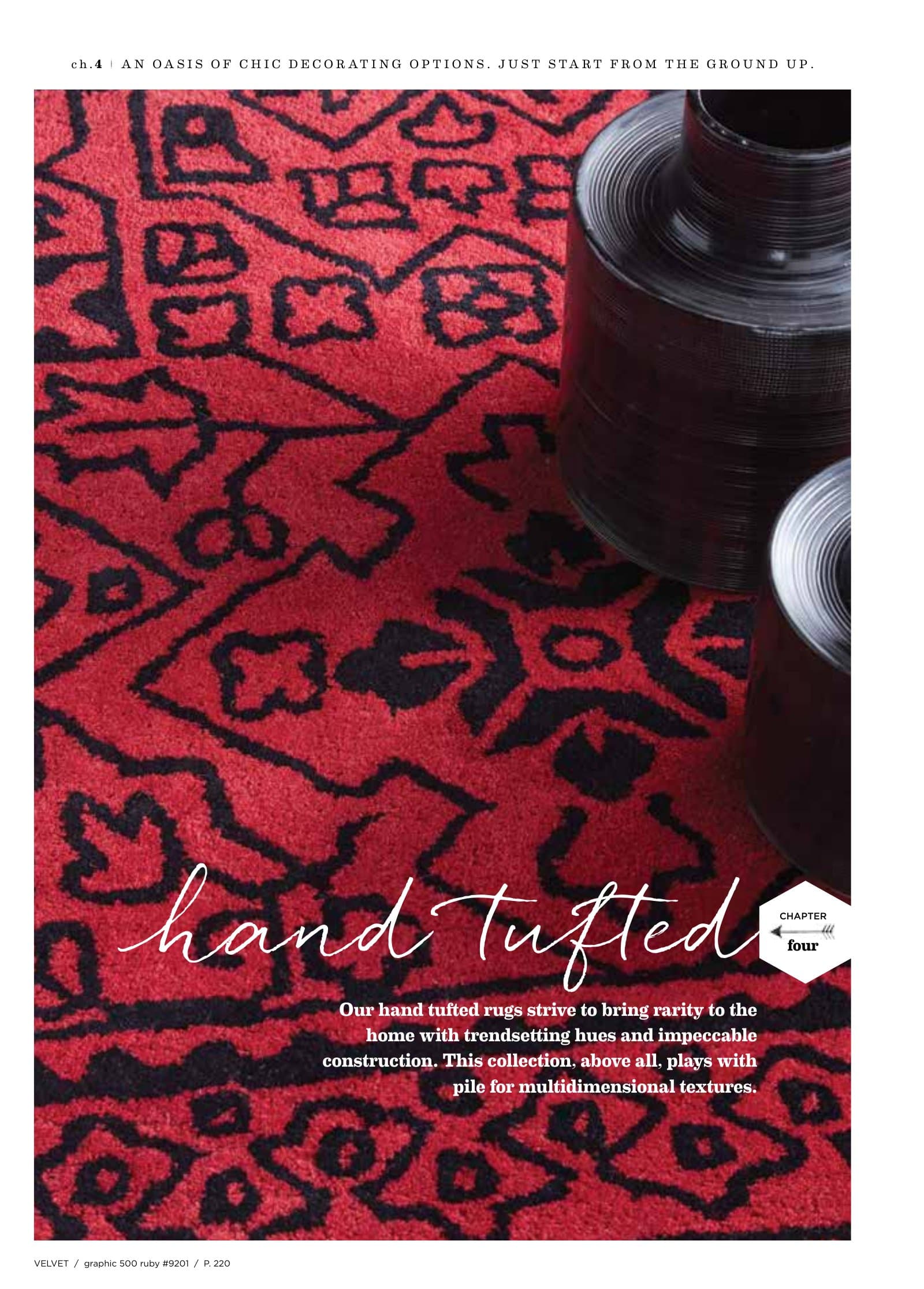
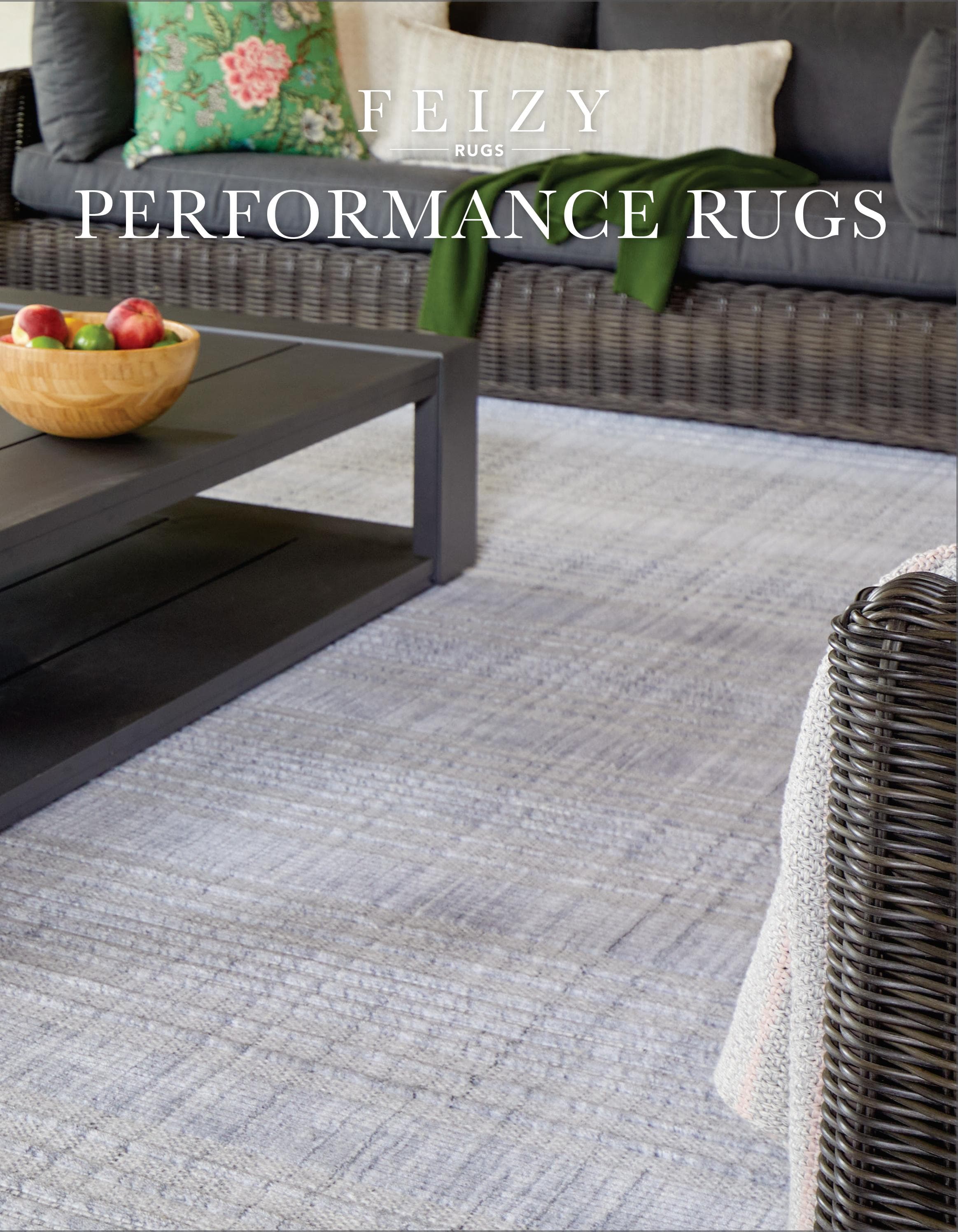
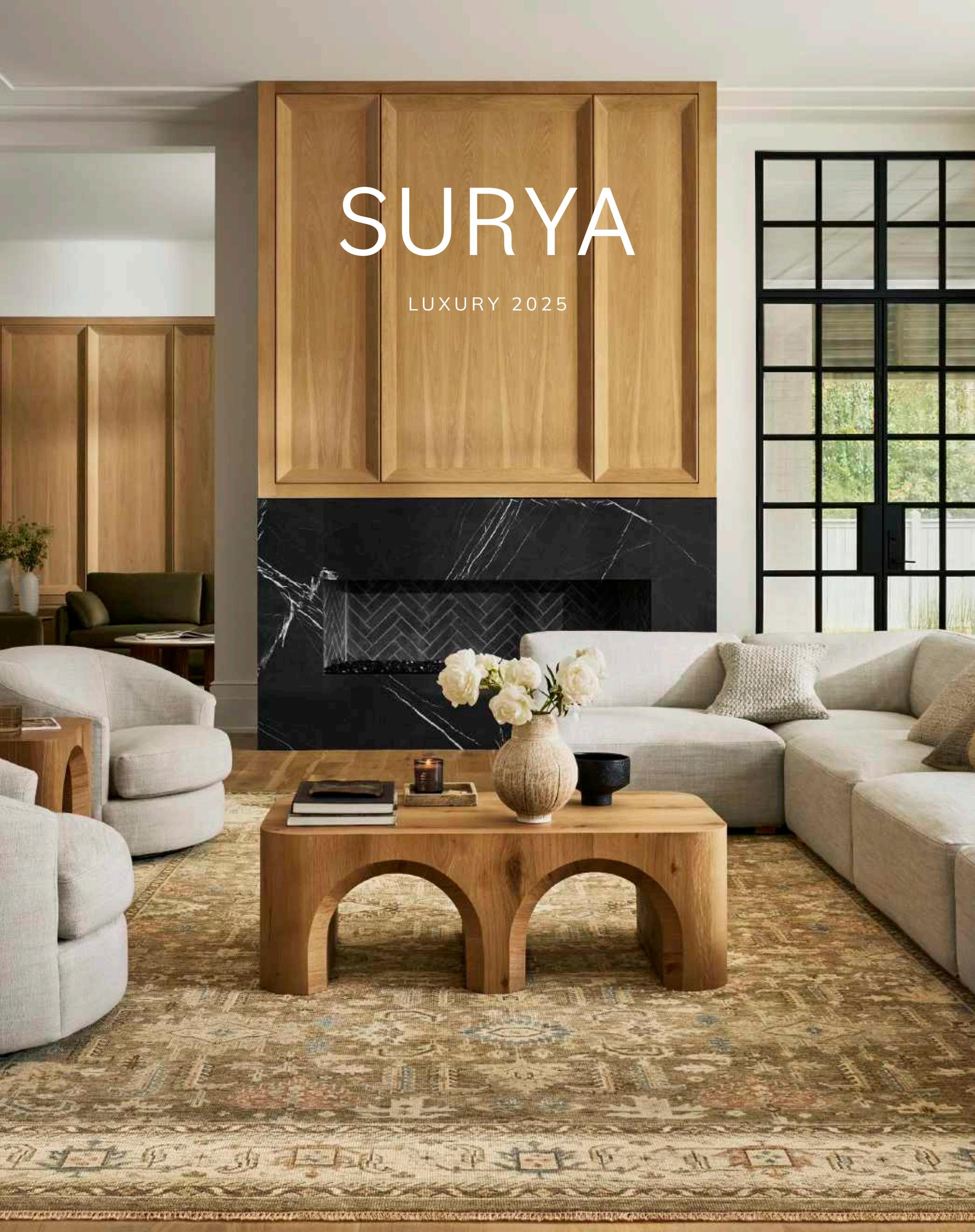
Designer hand-tufted & flatweave — Loloi, Surya, Annie Selke Dash & Albert, Marc Phillips, Madeline Weinrib, and Capel Rugs cover the broader designer category. Hand-tufted rugs are made on a stretched canvas with a pneumatic tufting gun (faster than hand-knotting; lower price point but still made by hand in India, Turkey, or China). Flatweaves and dhurries are flat woven without a pile — Dash & Albert built a category around indoor/outdoor flatweave PET-yarn rugs that look like vintage kilims. These brands publish multiple catalogs per year (spring, fall, new arrivals) and most sell through interior designers, specialty rug dealers, and select retailers.
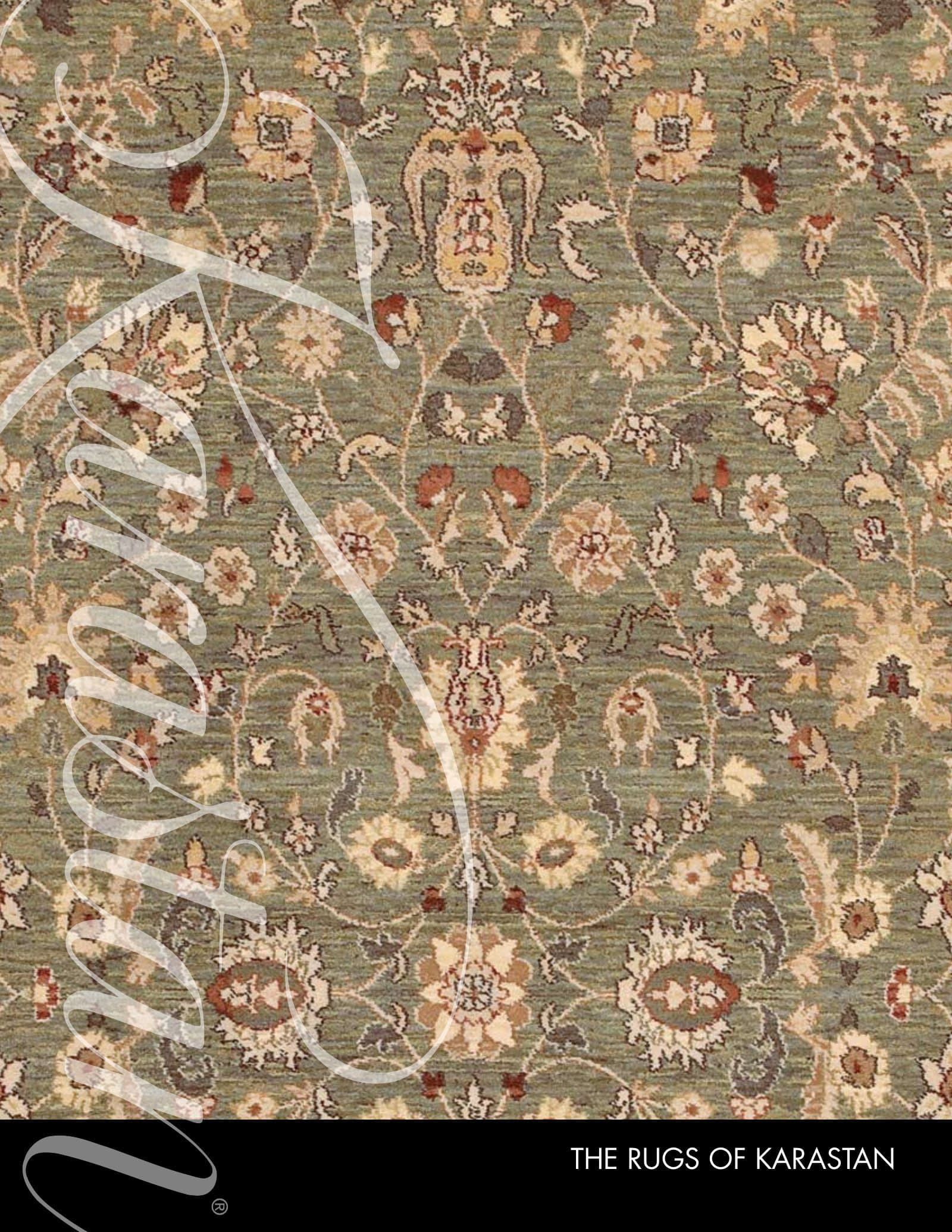
Mass-premium broadloom & area rugs — Karastan (and Karastan Smartstrand), Couristan, Safavieh, Mohawk, Shaw Floors, Pottery Barn Rugs, Crate & Barrel Rugs, and RH Rugs cover the broad mainstream premium category. Construction is typically machine-loomed (power-loomed Wilton, axminster, or face-to-face weave) with wool, nylon, polypropylene, or triexta fiber. These are the rugs and broadloom most homeowners actually buy — quality fit and finish at $500–$5,000 price points, with broad dealer availability and color/size programs.
Specialty & collector — Beni Ourain specialists, vintage and antique rug dealers, and contemporary art-rug studios serve a specific design intent. Beni Ourain rugs from the Atlas Mountains, vintage Turkish overdyes, and one-of-a-kind contemporary rug commissions belong here. Catalogs in this segment lean heavily on origin, weaver story, and provenance.
What to Look For in a Rug Catalog
The most useful rug catalogs disclose construction (hand-knotted, hand-tufted, flatweave, hand-loomed, power-loomed), fiber content (wool, silk, viscose, cotton, jute, nylon, polypropylene, polyester, triexta), pile height, knots-per-square-inch for hand-knotted rugs, origin (India, Nepal, Turkey, Iran, Pakistan, China, Morocco, Belgium, USA), and full size programs (typically 2×3 through 12×15 plus runners and rounds). For wall-to-wall broadloom catalogs, look for face weight in ounces per square yard, twist setting, density, stain and soil protection technology, and warranty terms.
Choosing the Right Rug for a Room
Sizing is the most-missed step. For a living room with a sofa and two chairs, the rug should be large enough that at least the front legs of all seating sit on it (8×10 minimum for most living rooms; 9×12 or 10×14 for larger rooms). In a dining room, the rug should extend 24–30 inches beyond the table edge on all sides so chairs stay on the rug when pulled out (9×12 typical for a 6-seat table; 10×14 for an 8-seat). Under a king bed, a 9×12 oriented horizontally with the bottom two-thirds under the bed is the most-used layout. Material matters too — wool hides soil and bounces back; silk and viscose are luxurious but show wear; flatweaves and indoor/outdoor rugs are the right call for high-traffic and family rooms.
Free Premium Rug & Floor Covering Catalogs by Mail
Most of the catalogs below are mailed free to homeowners, designers, and trade professionals. The hand-knotted luxury and trade-only catalogs (Stark, Holly Hunt, F.J. Hakimian, Mansour Modern) are particularly worth requesting in print — the photography is large-format and the pattern detail is easier to evaluate on paper than on a phone. For mass-premium broadloom and area-rug brands you can flip through the catalog online, then request a free in-home consultation or order sample swatches.