 Digital
 Digital
 Digital
 Digital
 Digital
 Digital
 Digital
 Digital
Heritage china and designer tableware catalogs — Wedgwood, Royal Doulton, Lenox, Mottahedeh, Bernardaud, Ginori 1735, Vista Alegre, Christofle, Royal Copenhagen and more.
Building a tableware collection — whether a single formal set you'll use for decades or a layered mix of patterns for everyday and entertaining — is one of the few home purchases where the right brand catalog still beats every online listing. Pattern depth, color accuracy, place-setting compositions, and the discontinued-vs-current shape availability are all easier to read in a printed brochure than scrolling a retailer site. Heritage china houses publish substantial books each year; designer tableware lines publish lookbooks tied to their seasonal collections.
Tableware Categories at a Glance
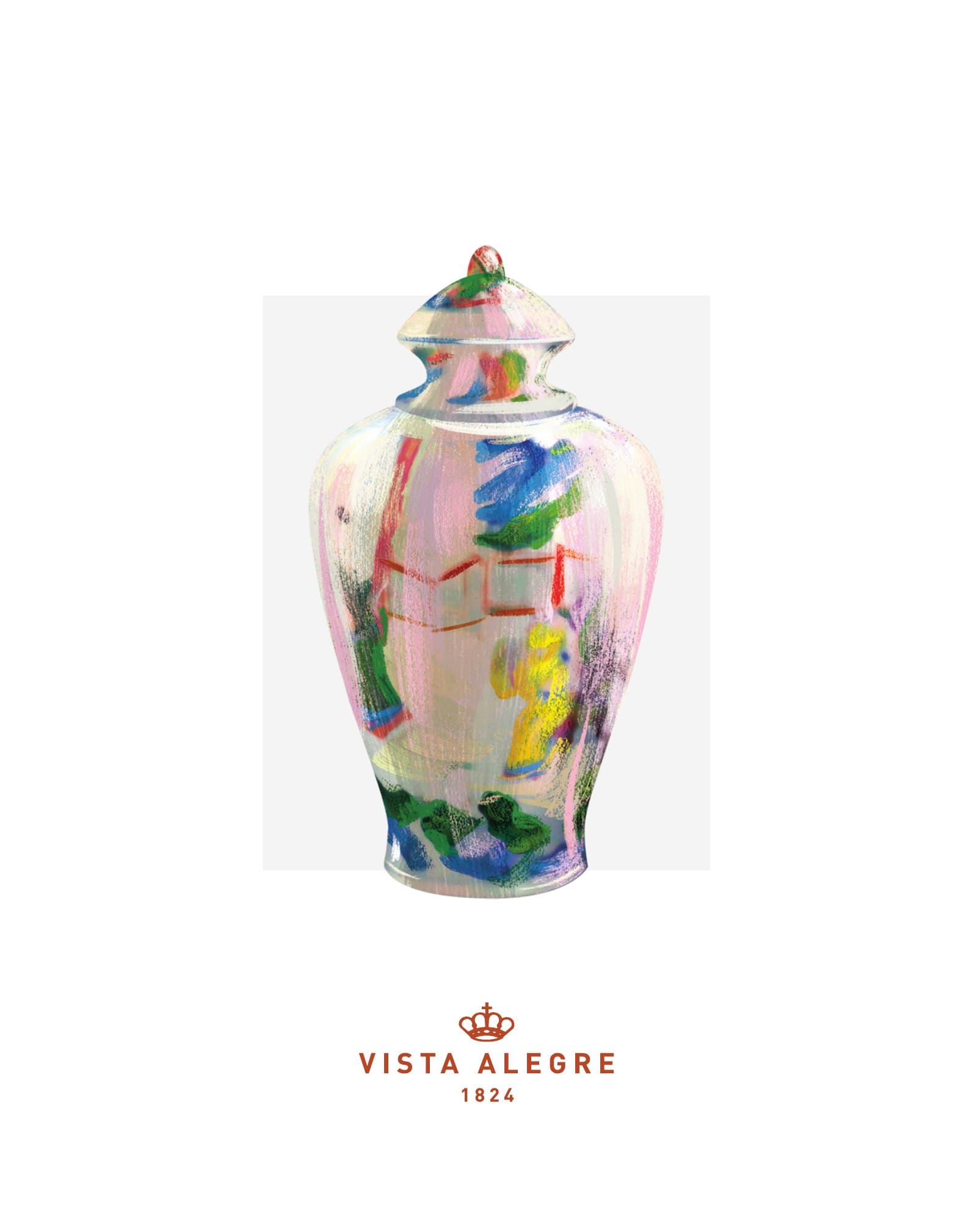
Heritage bone china and porcelain — Wedgwood, Royal Doulton, Spode, Royal Worcester, Royal Crown Derby, Royal Copenhagen, Lenox, Ginori 1735, Bernardaud, Raynaud Limoges, Haviland Limoges, Vista Alegre, and Mottahedeh are the centuries-old houses (founded between 1735 and 1889) that established the formal bone-china and hard-paste porcelain tradition. Patterns range from neoclassical (Wedgwood Jasperware, Spode Blue Italian) to scrollwork-gilded formal (Royal Crown Derby Old Imari, Ginori Oriente Italiano) to contemporary collaborations (Wedgwood Wonderlust, Ginori 1735 x Aquazzura). Place settings typically include dinner, salad, bread, soup/cereal, teacup + saucer, and serving pieces in 12-place or 8-place configurations.
Italian and continental designer tableware — Vietri, Juliska, Ginori 1735 (also fits heritage), and Bernardaud's collaborator collections (Marie Daâge, Olivier Gagnère) bring the Italian and French maiolica/faïence traditions to the contemporary table. Vietri is the dominant US importer of Italian ceramics handpainted in Campania and Tuscany; Juliska is the American-designed, Portuguese-made line that defined the modern country/coastal tabletop.
Scandinavian and modernist dinnerware — Iittala (Finland) and Royal Copenhagen (Denmark) are the design-led modernist houses whose product lines (Iittala Teema by Kaj Franck, Royal Copenhagen Blue Fluted Plain and Mega from 1775) are continuously in production. These are the go-to brands for the design-minded buyer who wants form-led pieces that survive every dishwasher cycle.
Silver, sterling and pewter — Christofle (France) is the global standard for silver-plate flatware, hollowware, and trays — the Albi, Malmaison, and Mood lines are the most frequently spec'd. Royal Selangor is the Malaysian pewter house known for tankards, picture frames, and home accessories.
Luxury fashion-house tableware — Hermès Tableware (founded 1984 as Hermès Carrelages, now Hermès Maison) and Anthropologie Home Tableware sit at opposite ends of the fashion-house tabletop category — Hermès for ultra-luxury hand-decorated porcelain (Bleus d'Ailleurs, Mosaïque au 24, A Walk in the Garden), Anthropologie for layered everyday patterns at accessible price points. Sieger by Fürstenberg (Germany) sits in between, applying contemporary German design to the 1747-founded Fürstenberg porcelain factory.
What to Look For in a Tableware Catalog
The most useful brand catalogs show full place-setting compositions photographed on actual tables (not just product cutouts), the pattern depth available within a line (how many serving pieces, accent plates, teacups), and color/decoration variations within a single shape family. For bone china, look for gilding type (24-karat gold vs platinum vs none) and whether the pattern is dishwasher-safe (most modern bone china is; heavily-gilded antique patterns are not). For Italian and Portuguese ceramics, check the kiln firing (most modern Vietri and Juliska are oven-microwave-dishwasher safe; some traditional maiolica is decorative only). For flatware, count the piece-per-place-setting standard — formal place settings are 5-piece (dinner knife/fork, salad fork, teaspoon, soup spoon); casual is often 4-piece without the soup spoon.
Choosing Your Tableware Collection
If you're starting from scratch, the standard guidance from designers is to build around two complementary patterns — a white or ivory formal set (Wedgwood Embossed White, Bernardaud Naxos, Lenox Tin Can Alley) for the foundation, plus one accent pattern (Royal Crown Derby Mikado, Ginori Oriente Italiano, Hermès Bleus d'Ailleurs) for layering over the formal set. The accent pattern provides color and personality; the formal set provides the background that lets the accent pattern read. For everyday tableware that doubles as casual entertaining, look at the designer Italian lines (Vietri Lastra, Juliska Berry & Thread) and Scandinavian modernist lines (Iittala Teema, Royal Copenhagen Mega) — all of which are designed to be dishwasher-safe and stackable.
Heritage Patterns Worth Knowing
Some patterns have been in continuous production for over a century. Royal Copenhagen Blue Fluted Plain (1775) and Blue Fluted Half Lace are the gold standard for hand-painted Danish porcelain. Spode Blue Italian (1816) and Wedgwood Wild Strawberry (1965) are the most-collected English bone china patterns of the modern era. Royal Crown Derby Old Imari (1813) and Imari Accent are the richest gilded English patterns. Ginori 1735 Antico Doccia and Oriente Italiano are the iconic Italian heritage patterns. Mottahedeh's reproductions of museum collections (Tobacco Leaf, Mandarin Bouquet) bring 18th-century Chinese export porcelain back to the modern table. Lenox Federal Gold and Lenox Eternal sit at the top of the American bone-china formal market.
Free Premium Tableware & Dinnerware Catalogs by Mail
Most of the heritage china houses below mail catalogs free to homeowners and to the trade. Print catalogs are particularly valuable in this category — color accuracy on a printed catalog page is closer to the real fired-and-gilded glaze than any screen rendering, and the full place-setting compositions are easier to evaluate at scale on paper than on a phone. For designer collaborations and seasonal collections, the digital catalogs are updated more often and let you compare across editions.