 Digital
 Digital
 Digital
 Digital
 Digital
 Digital
 Digital
 Digital
 Digital
 Digital
 Digital
 Digital
 Digital
 Digital
 Digital
 Digital
 Digital
 Digital
 Digital
 Digital
 Digital
 Digital
 Digital
 Digital
Browse free premium watch catalogs covering Swiss haute horlogerie, German tool-watch heritage, and independent watchmaking — Tudor, TAG Heuer, Vacheron, Chopard, Oris, Junghans, Frederique Constant, Parmigiani Fleurier, Nomos Glashütte, and F.P. Journe. Order brochures by mail or browse the digital pages.
Premium Watch Categories at a Glance
The premium watch market is organized into recognizable tiers that map closely to a brand's heritage, the complexity of the movement, and where the watch is manufactured. Tier 1 — Haute Horlogerie covers the very top of Genevan and Vallée de Joux watchmaking: Vacheron Constantin (founded 1755), Patek Philippe (1839), Audemars Piguet (1875), A. Lange & Söhne (1845 Saxony), Breguet (1775), Jaeger-LeCoultre (1833), and the modern independent specialists F.P. Journe and Parmigiani Fleurier. These houses build their own movements in-house, hand-finish bridges and plates, and produce in the low thousands per year. A flagship reference often crosses six figures and requires authorized-dealer access. The brochures from this tier read like art books — heavy paper stock, museum-quality photography, multi-page essays about a single movement.
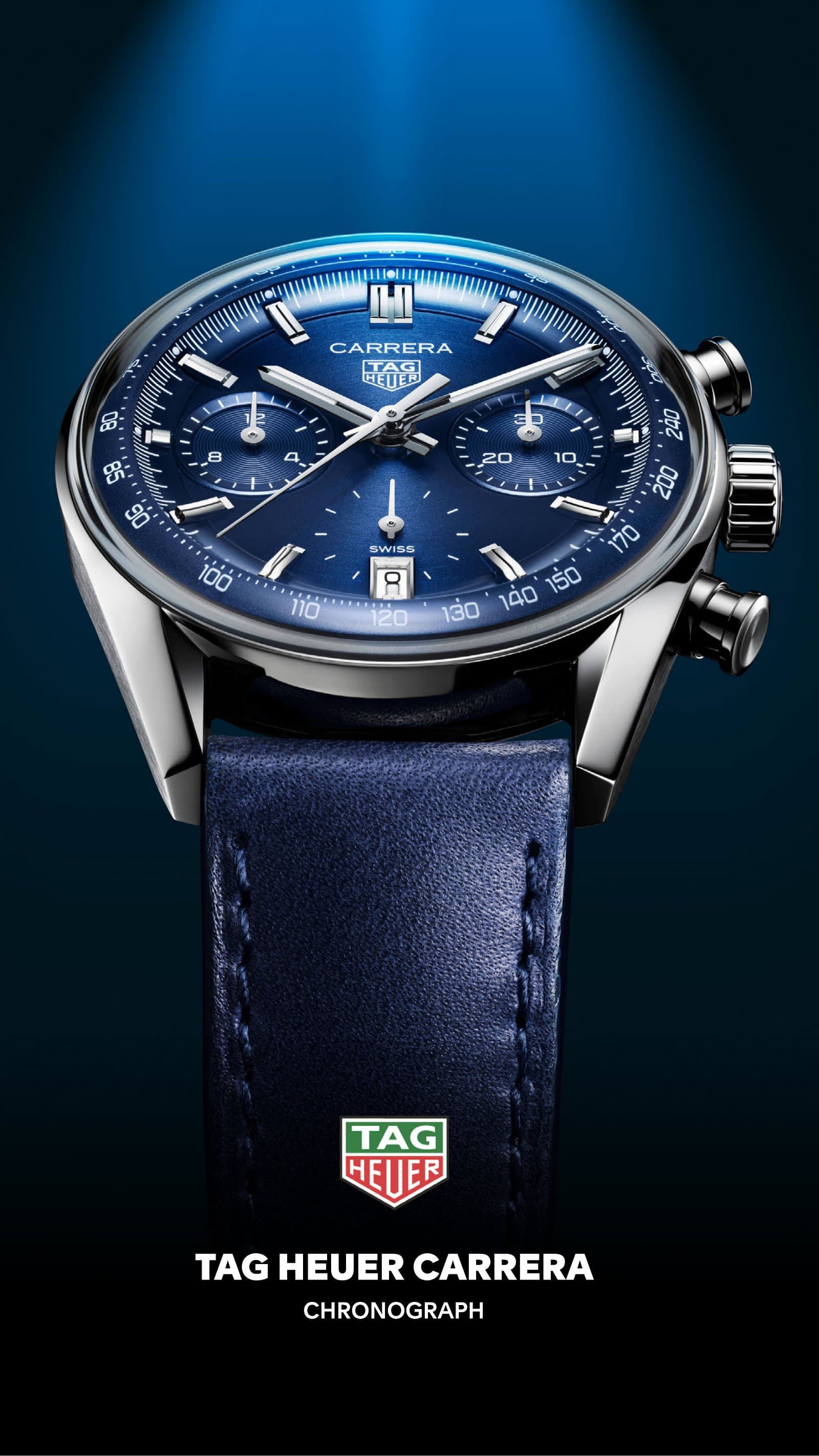
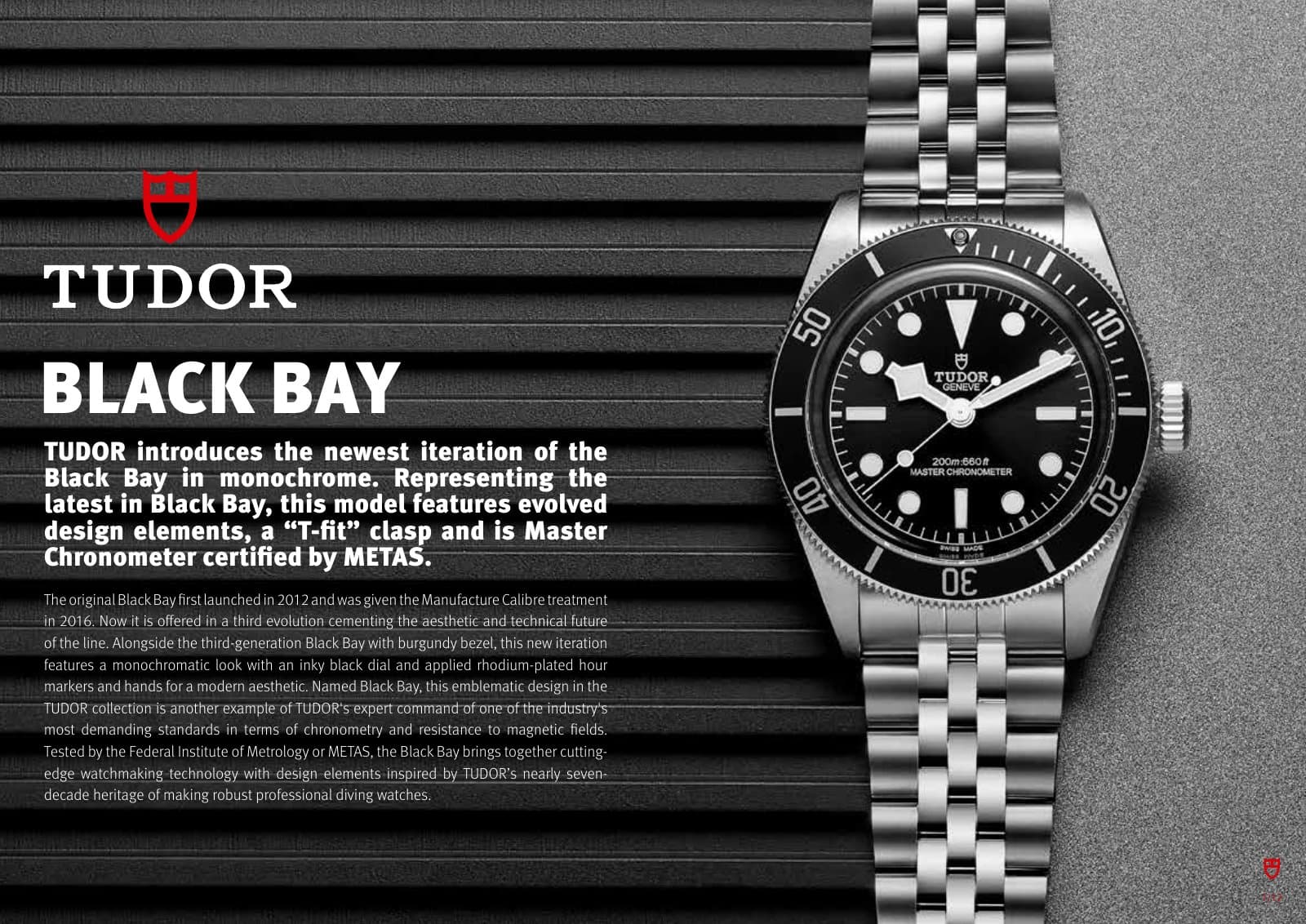
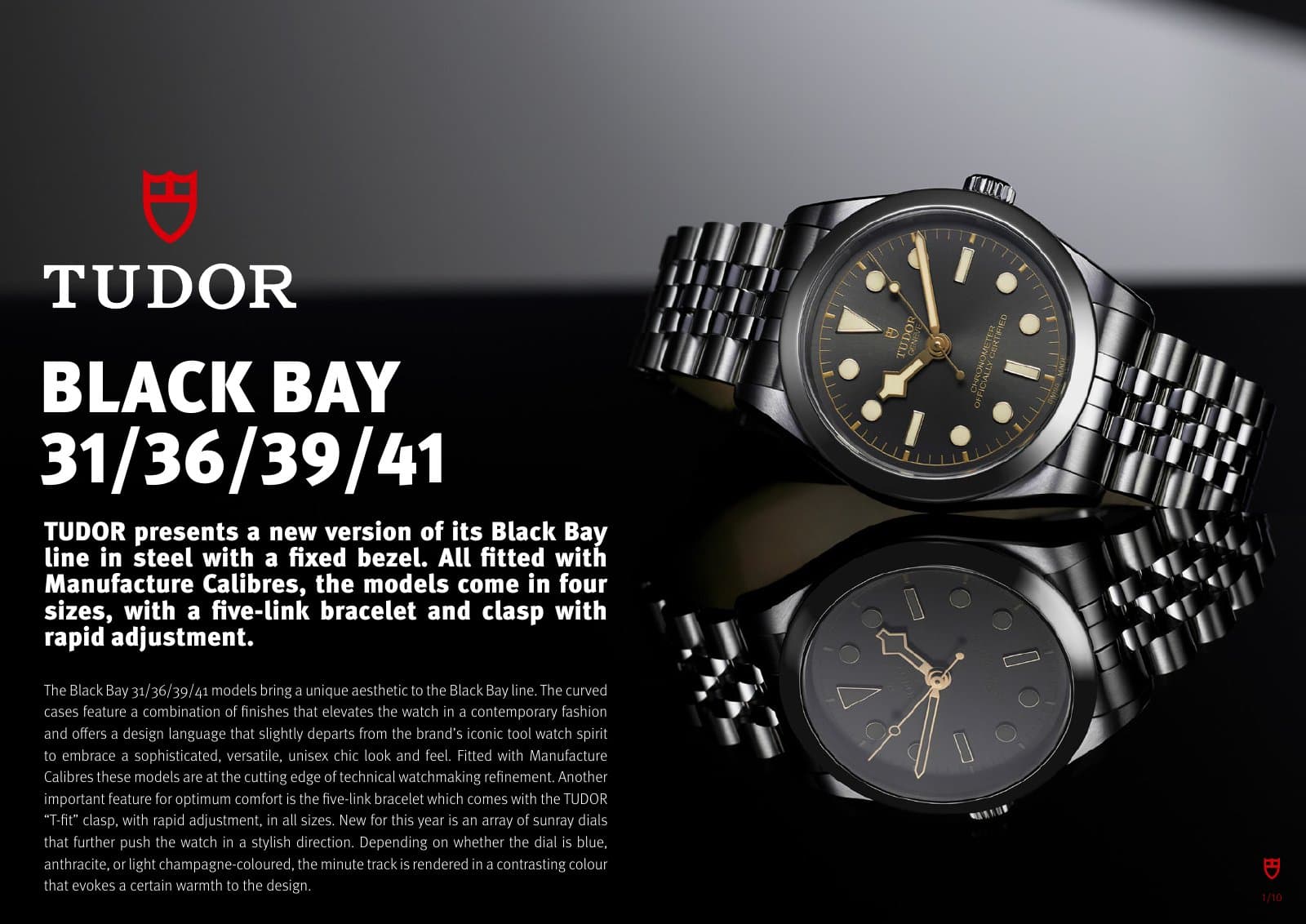
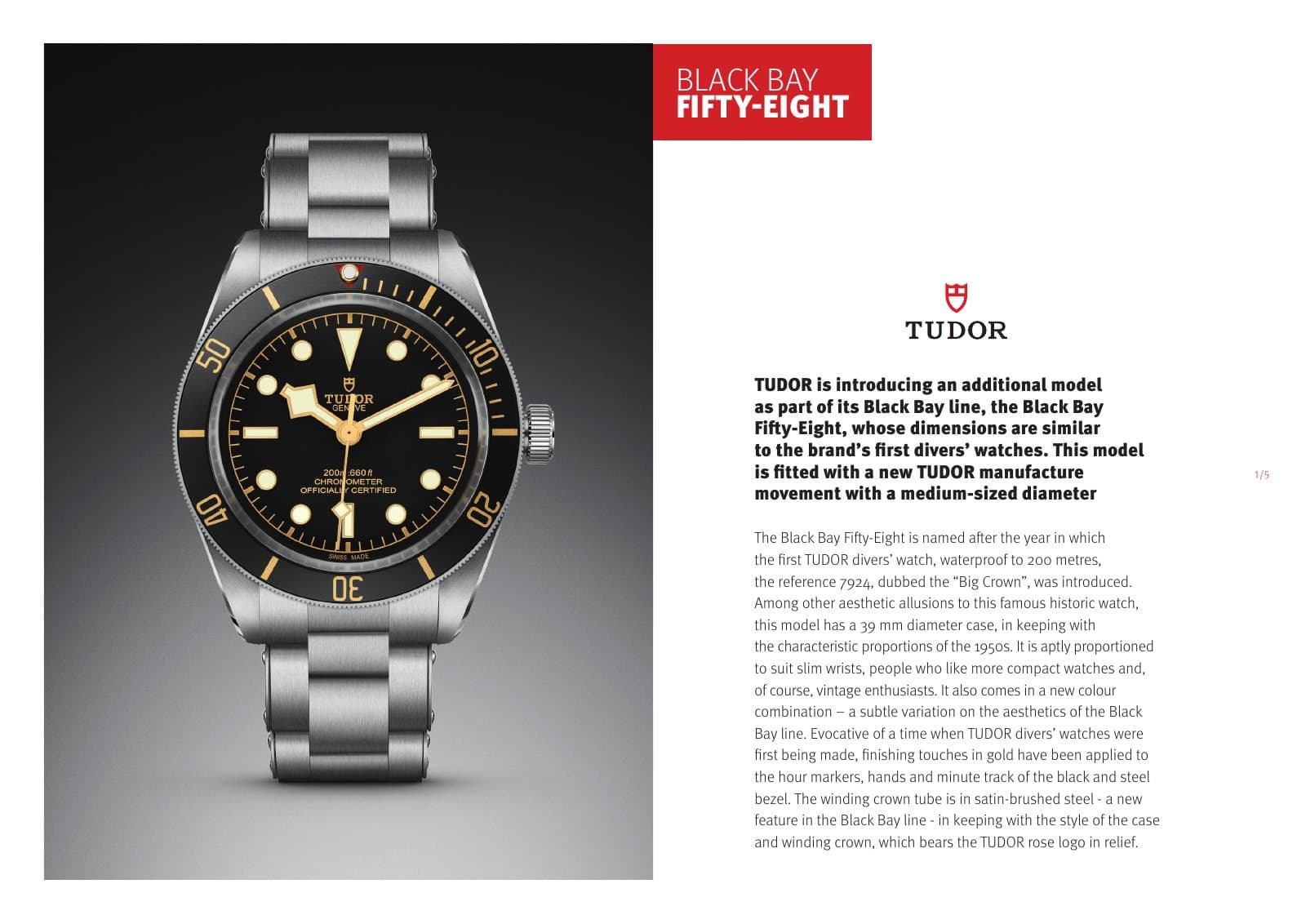
Tier 2 — Swiss Premium spans the larger and more accessible production: Tudor (the Rolex sister marque), TAG Heuer (the LVMH motorsport house in La Chaux-de-Fonds), Omega, Breitling, Longines, Tissot, Panerai, Zenith, and Oris. These brands typically manufacture in the tens of thousands annually, produce both manufacture and modified-ETA movements, and operate global authorized-dealer networks. A Tudor Black Bay or a TAG Heuer Carrera lives in the four-to-five-figure price range and represents the natural entry into Swiss watchmaking for most enthusiasts.
Tier 3 — Independent Watchmaking is the world of single-craftsman ateliers and small-batch independent houses — F.P. Journe in Geneva, Greubel Forsey in La Chaux-de-Fonds, Richard Mille, MB&F, Urwerk, H. Moser & Cie, Laurent Ferrier, Roger Dubuis, and Czapek. These makers produce hundreds (not thousands) of watches per year, every movement is designed and finished in-house, and waitlists for a flagship reference can run multiple years.
Tier 4 — German & American includes the Saxon precision houses (Nomos Glashütte, Junghans, Sinn) and the new American makers (Shinola, Weiss, Bremont's transatlantic expansion). German watchmaking — centered on Glashütte and Schramberg — operates outside the Swiss conventions: minimalist Bauhaus design (Nomos, Junghans Max Bill), purpose-built mission watches (Sinn for divers and pilots), and value-priced precision that rivals Swiss equivalents.
What to Look for in a Premium Watch Catalog
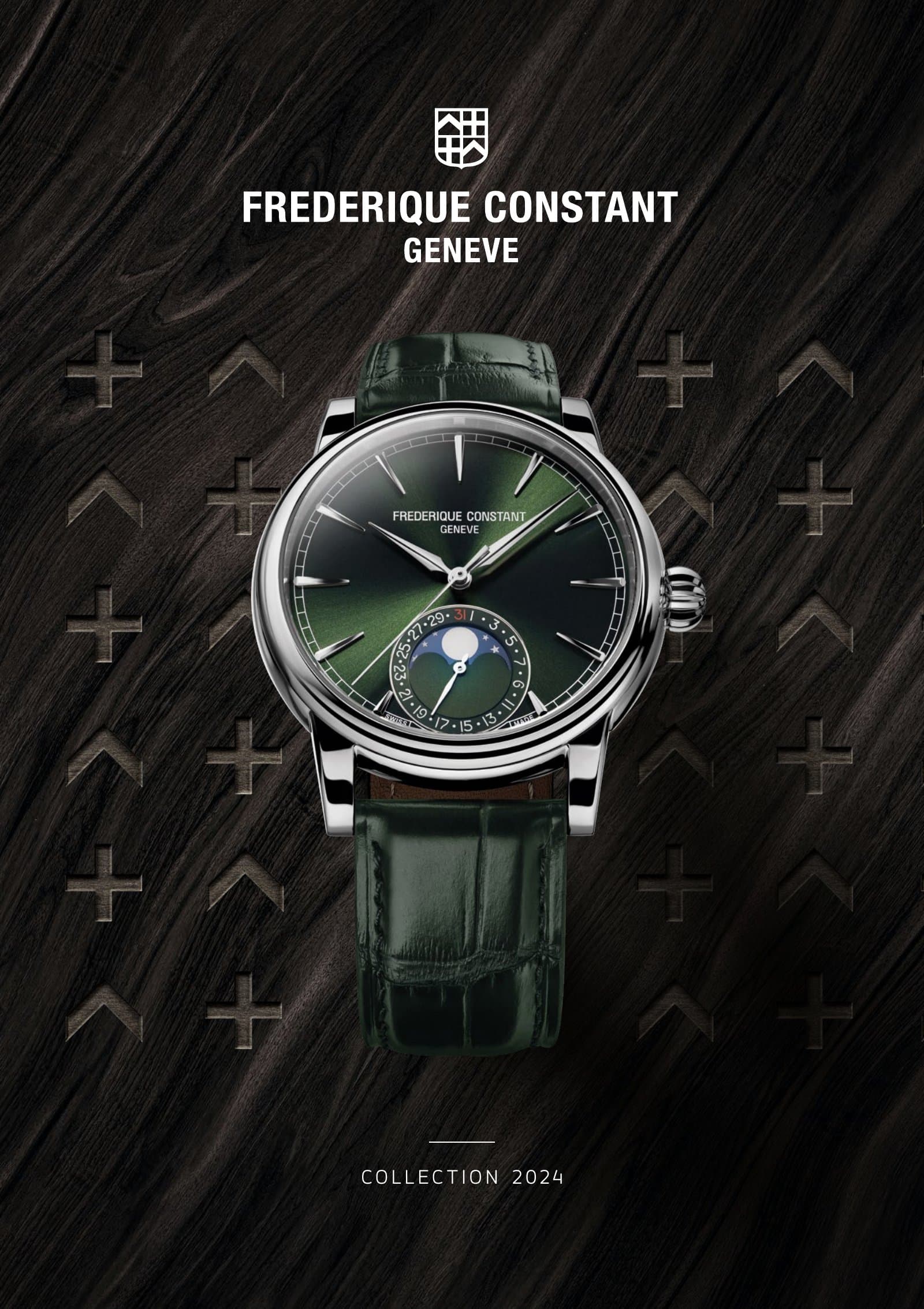
A real watch brand brochure goes beyond product photography — it documents the watchmaking discipline behind a reference. When you request a catalog from one of these houses, expect to see four kinds of content. The flagship product hero: the cover usually centers a single iconic reference (the Tudor Black Bay 58, the Vacheron Patrimony, the Chopard Mille Miglia, the Parmigiani Toric, the Frederique Constant Slimline Moonphase) shot in macro detail against a hero background. The movement architecture: technical pages explain the calibre — the in-house movement family, the escapement type (Swiss lever, co-axial, detent, tourbillon), the power-reserve specification, and the finishing standard (Geneva Seal, Patek Philippe Seal, METAS Master Chronometer certification). The collection grid: every variant of the flagship model line with case size, dial color, bezel type, bracelet/strap options, and reference number. The heritage essay: a brand-history section explaining the manufacture's century-long lineage, the location of the workshop (Geneva, Le Locle, La Chaux-de-Fonds, Glashütte, Schramberg, Hölstein), and the philosophy behind the company's approach.
Reading the Catalog — Movement Complications Glossary
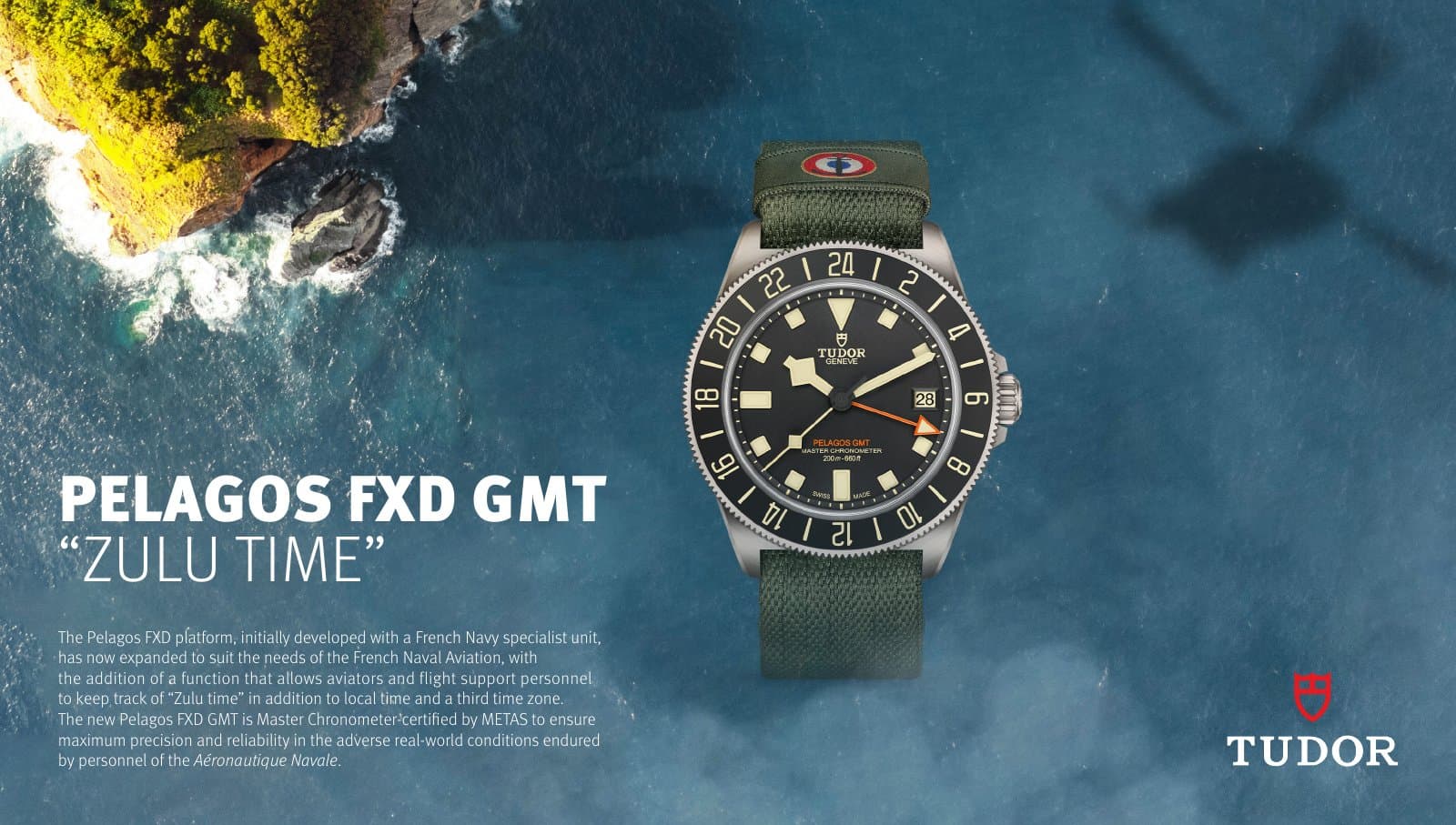
Premium watch brochures use a specific vocabulary that maps to specific watchmaking achievements. A few terms recur enough to be worth knowing before paging through these PDFs. Chronograph: a watch with a stopwatch function, typically with two or three sub-dials. GMT or Worldtimer: a complication showing a second time zone (GMT) or all 24 time zones (Worldtimer). Perpetual Calendar: a mechanical calendar that accounts for month length and leap years and theoretically never needs adjustment. Annual Calendar: a simpler version that handles 30- and 31-day months but needs manual adjustment for February. Tourbillon: a rotating cage that holds the escapement, originally invented by Breguet in 1801 to counter the effects of gravity on accuracy in pocket watches. Minute Repeater: a complication that strikes the time on demand via a series of chimes — among the most-difficult complications to build. Moonphase: a dial display showing the current phase of the moon. Power Reserve: an indicator showing the remaining hours of running time before the mainspring fully unwinds.
Watches & Wonders Geneva — The Annual Reset
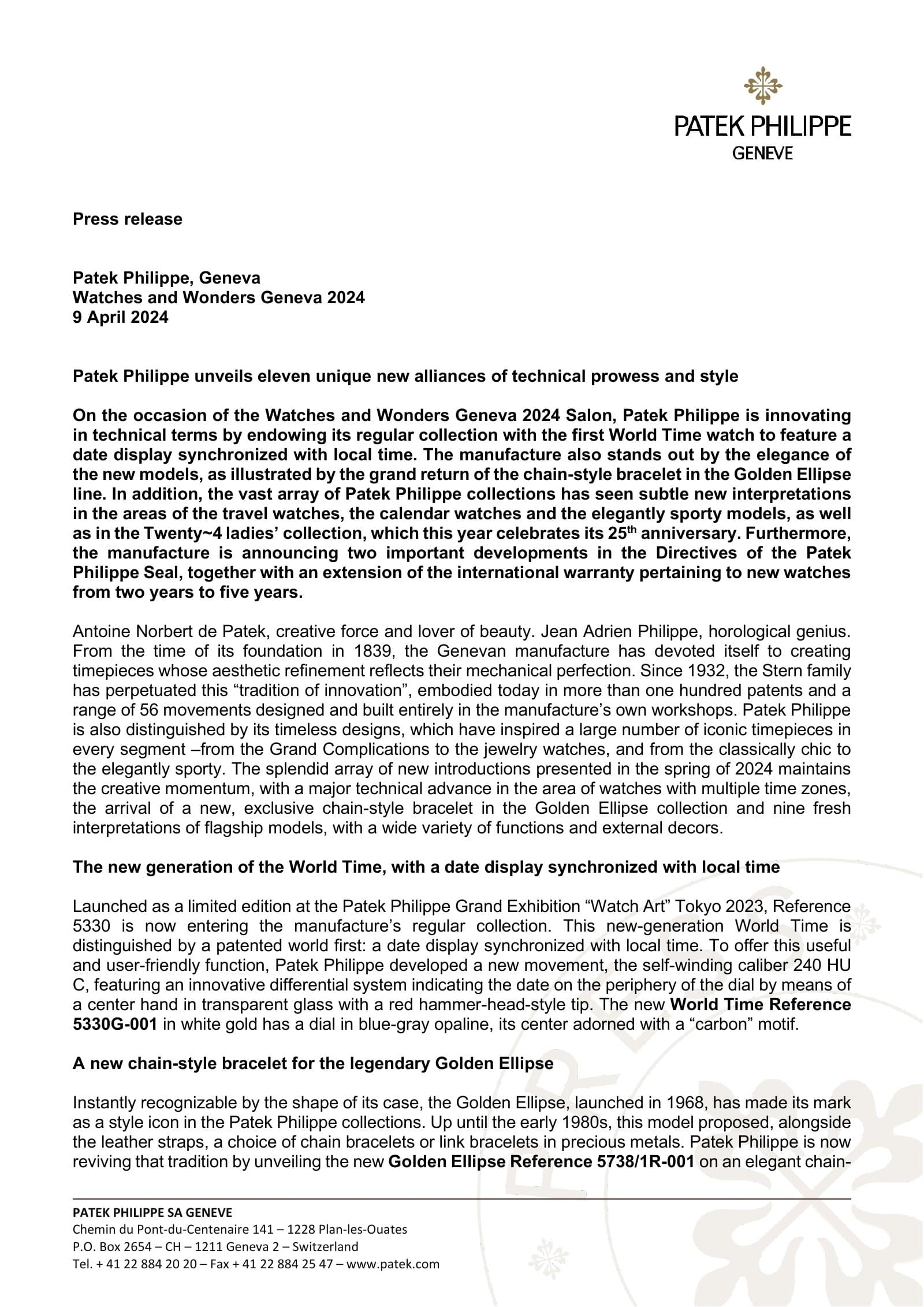
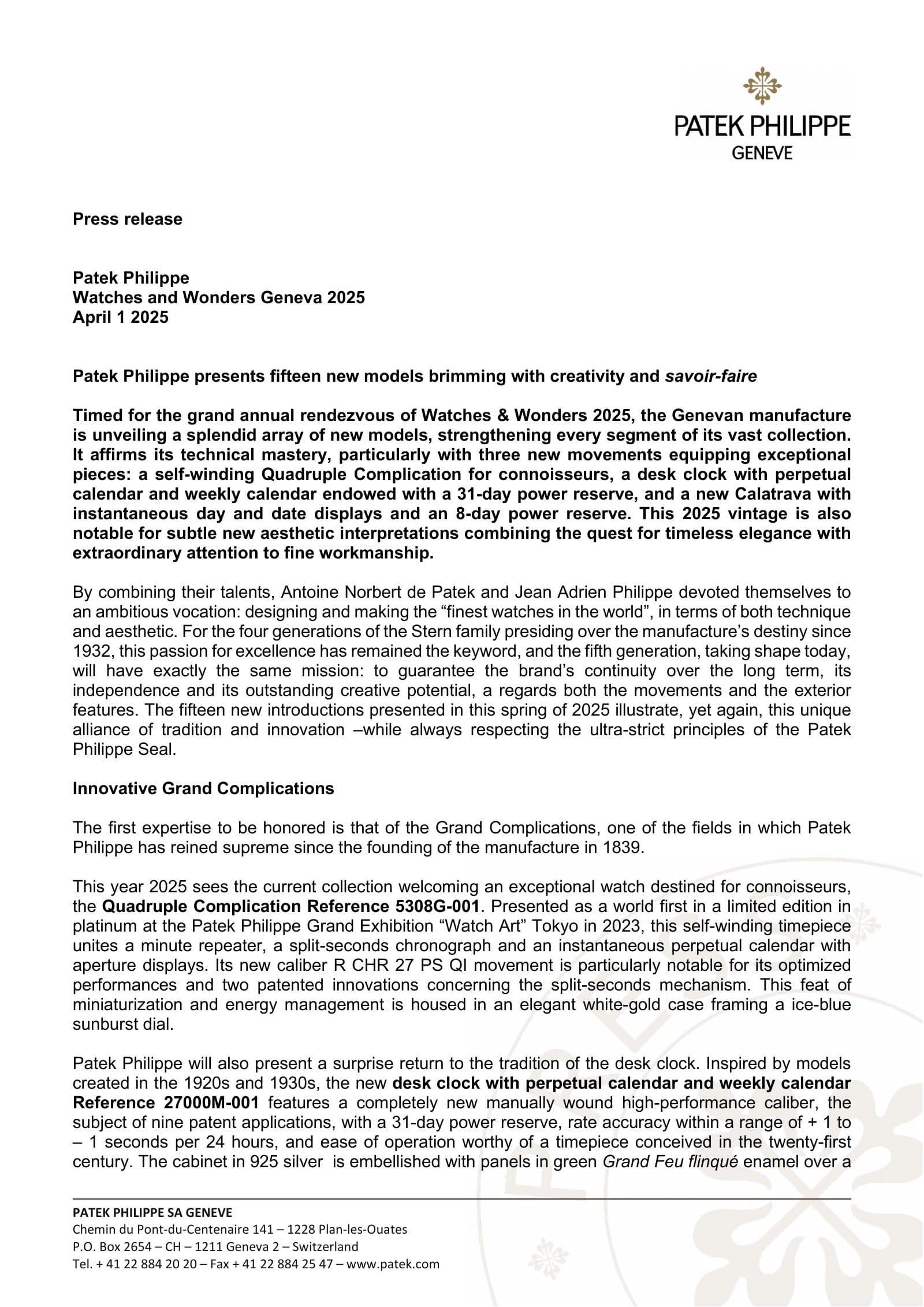
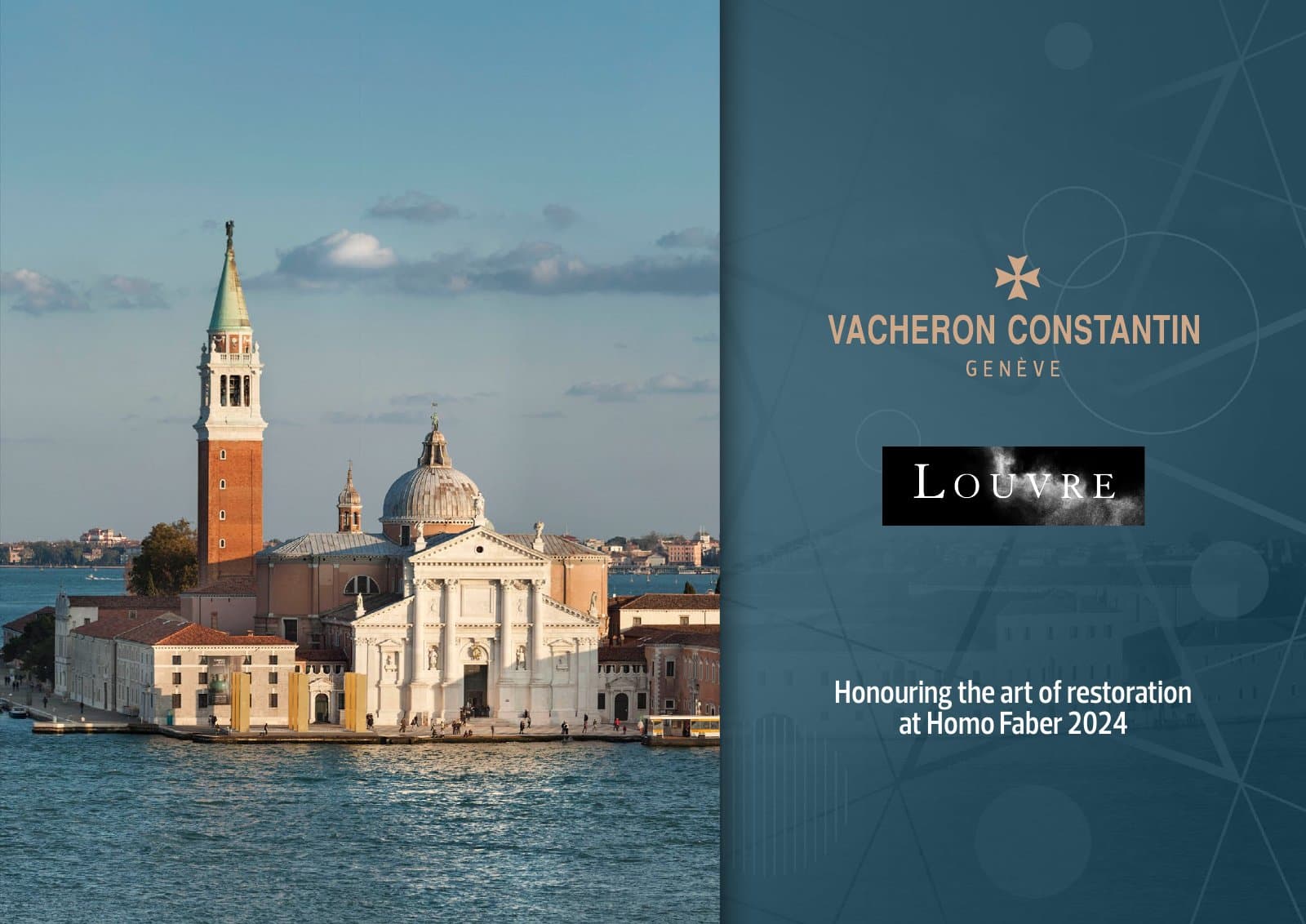
Most premium watch brands time their major catalog releases to Watches & Wonders Geneva, the largest annual watch trade fair, held every April at the Palexpo convention center. Watches & Wonders 2025 hosted 60 exhibiting brands including Rolex, Patek Philippe, Vacheron Constantin, Cartier, IWC, Jaeger-LeCoultre, Tudor, Chopard, Hublot, TAG Heuer, Panerai, Chanel Watches, Tag Heuer's parent LVMH brands, and the Geneva-based independent makers. The press kits and brochures published in conjunction with Watches & Wonders carry the year's new references and become the primary source documents for the watch press, authorized dealer training, and consumer outreach for the following 12 months. Several of the catalogs in this collection — including the Patek Philippe Watches and Wonders press releases, the Tudor 2024 and 2025 new-product brochures, and the Vacheron Constantin Homo Faber book — were released in conjunction with the Geneva fair.
How Premium Watches Are Sold — The Authorized Dealer Model
Unlike most luxury categories, premium watch brands sell almost exclusively through authorized dealers — physical boutiques that have been vetted, trained, and contracted by the manufacture. The largest authorized-dealer chains include Tourneau (now part of Bucherer in the US), Bucherer (Switzerland and US), Wempe (Germany and US), Watches of Switzerland (UK and US), and the growing Hodinkee Shop (US online). Each manufacture maintains tight control over which boutiques can stock the brand, how watches are displayed, and how staff are trained. For flagship references from Patek Philippe, Vacheron Constantin, Audemars Piguet, F.P. Journe, and Richard Mille, the waitlist alone can be measured in years — these references are not stocked-and-sold; they are allocated by the manufacture to individual clients via the dealer relationship. When you request a brand brochure, you're typically being routed to the closest authorized boutique, who will follow up with availability, allocation, and the in-person experience that the brand prefers as the next step.
Geneva & Glashütte — Where Premium Watches Are Made
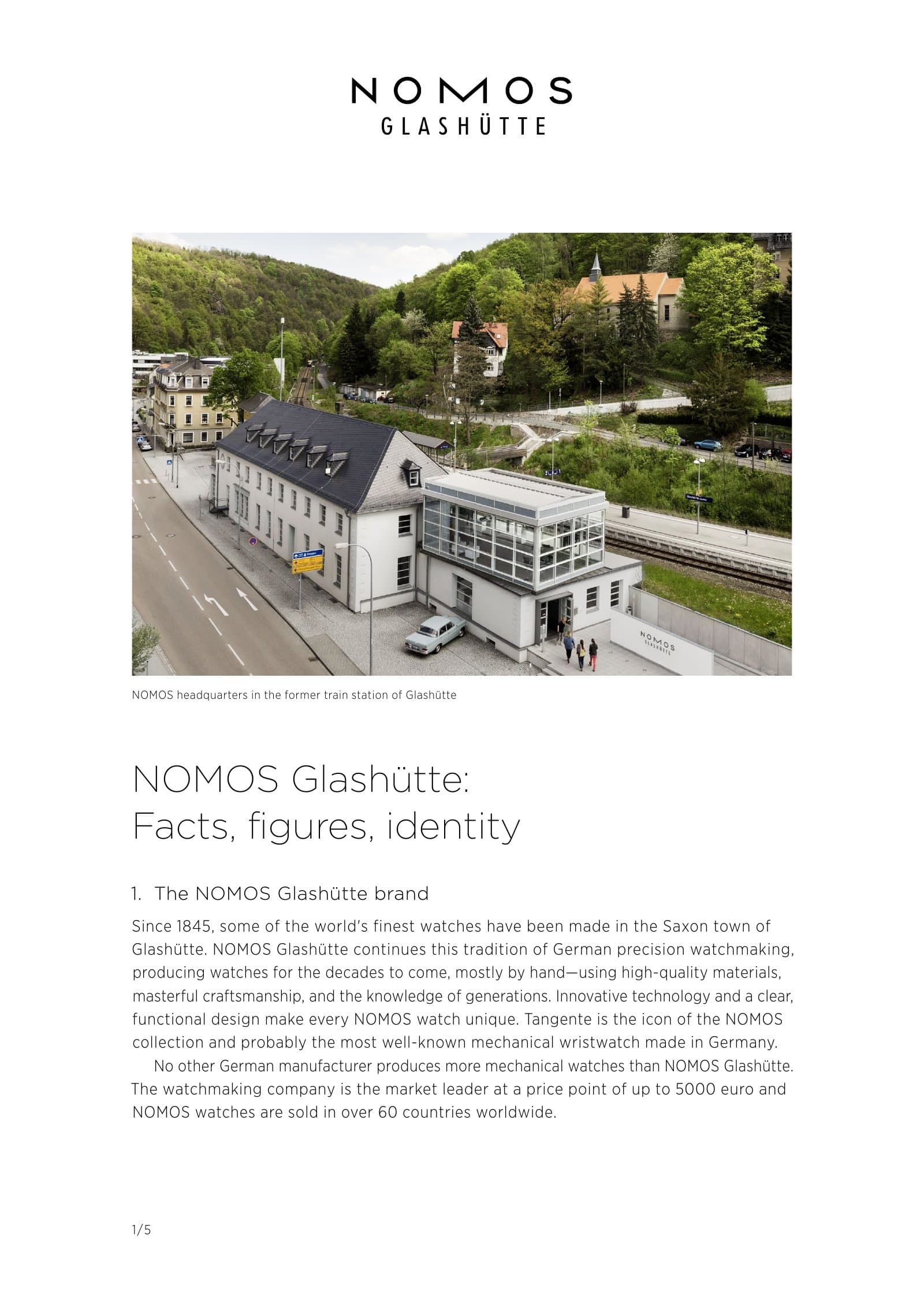
The geography of premium watchmaking matters because it maps to the schools of design and finishing that define a brand. Geneva is the historical capital of Swiss haute horlogerie — Patek Philippe, Vacheron Constantin, F.P. Journe, Roger Dubuis, and Chopard all maintain Geneva manufactures. The Geneva Seal (Poinçon de Genève) is a hallmark applied to movements that meet 12 specific finishing and construction criteria. The Vallée de Joux, the high alpine valley north of Geneva, is home to Audemars Piguet, Breguet, Blancpain, and Jaeger-LeCoultre. La Chaux-de-Fonds and Le Locle in the Jura mountains are the homes of TAG Heuer, Greubel Forsey, Tissot, and Zenith. Bienne/Biel is Rolex and Tudor's manufacturing hometown. Glashütte, the small Saxon town in eastern Germany, is the home of A. Lange & Söhne, Nomos Glashütte, and Glashütte Original — German watchmaking traces back to 1845 here and operates under the Glashütte designation, similar in spirit to the Swiss Made label. Schramberg, in the Black Forest, is the historic home of Junghans, which began as a clock-making company in 1861 and remains one of the largest German watch brands today. Hölstein is the home of Oris, the Swiss independent brand that has resisted multi-national conglomerate ownership for 120 years.
Free Premium Watch Catalogs by Mail
All catalogs listed here are mailed free to enthusiasts, collectors, designers, and prospective buyers — request a printed brochure for the brands you're seriously considering, or browse the digital pages on the catalogs.com viewer for a quick look. Premium watch brochures are produced to a standard most categories don't approach — heavy paper, museum-grade photography, and editorial essays that make them collectible in their own right. The catalogs in this collection cover Geneva (Vacheron Constantin, Chopard, F.P. Journe, Parmigiani Fleurier), La Chaux-de-Fonds and Le Locle (TAG Heuer), Biel/Bienne (Tudor), Glashütte (Nomos), Schramberg (Junghans), Hölstein (Oris), and Geneva again (Frederique Constant). Whether you're spec'ing a single first serious watch, building a collection across complications, or sourcing a graduation or anniversary piece, the printed brochure is the place to start.