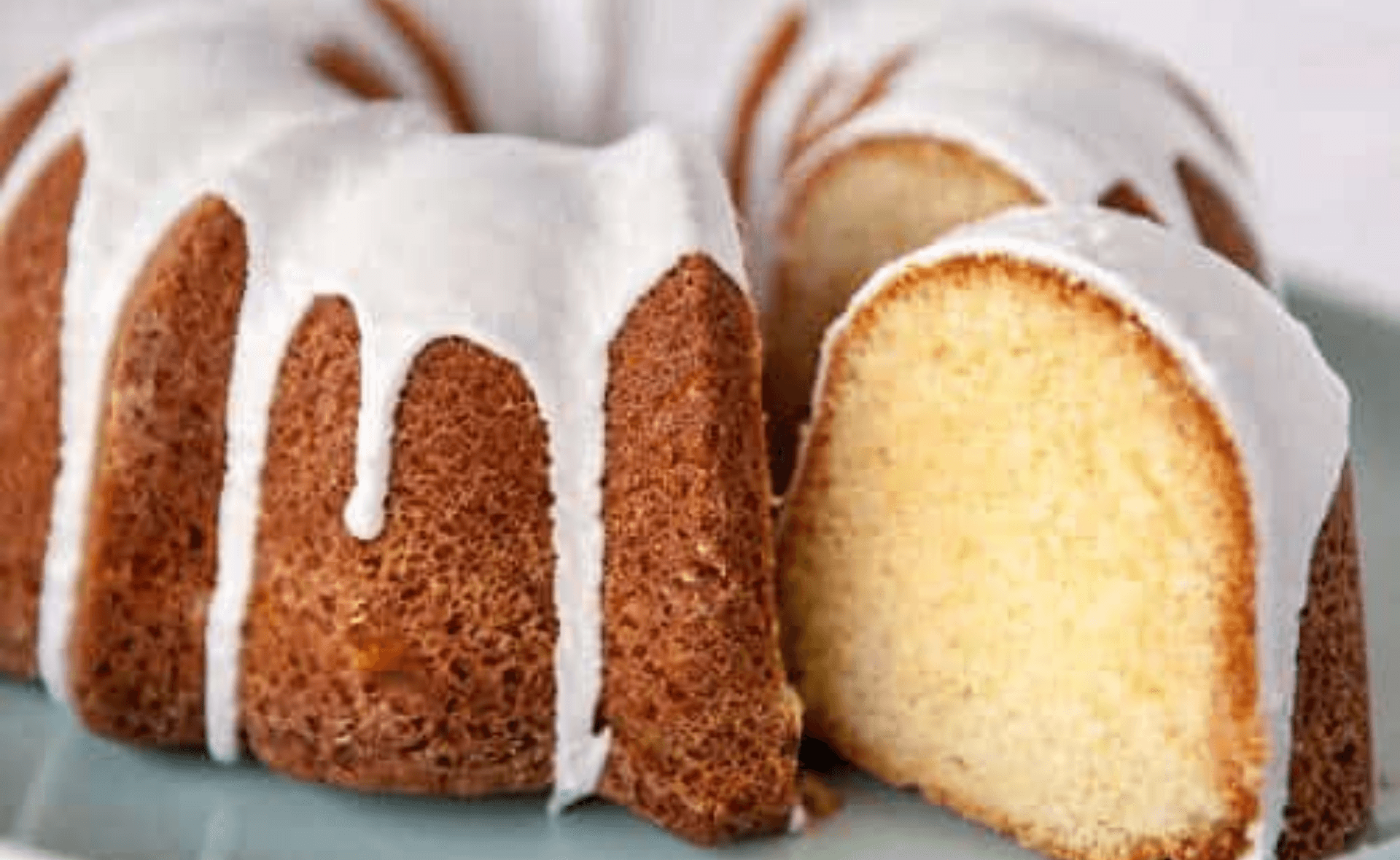
The first time I baked a 7-Up cake, I was a young nurse working night shifts and trying to bring something to a church potluck without staying up until midnight. A friend on the medical floor, born and raised in Tennessee, slid a recipe card across the break-room table and told me, plain as day, that if I could measure flour I could make this cake. She was right. Forty-some years later, I still pull that same card out around Easter, and folks still ask for the recipe.
If you have never baked one, the 7-Up pound cake is one of those Southern desserts that feels fancier than it is. The lemon-lime soda gives it a soft, almost springy crumb and a quiet citrus note in the background. No mystery, no fuss, no special equipment beyond a Bundt pan and a hand mixer. For folks with arthritis in the hands like my Tom has, that is no small thing.
A Little History (and Why It Endures)
The 7-Up cake has been kicking around Southern kitchens since the 1950s. According to the Smithsonian, the 7 Up corporation actually published a promotional recipe booklet in 1953 with a "Seven-Up Cake with Seven-Up Icing" recipe in it, and the idea caught on fast. Soda companies in those days handed out cases to employees, who carried them home, and home bakers being who they are, they figured out that the carbonation worked beautifully in cake batter. The fizz lifts the crumb and the citrus flavor of the soda comes through gentle and clean.
Brand-wise, 7UP itself is still very much around. It is owned today by Keurig Dr Pepper, the same company behind Snapple and Mott's, and they have been rolling out new 7UP varieties as recently as 2026. So if you are wondering whether you can still find a green bottle on the grocery shelf, you can. That said, any clear lemon-lime soda will do in a pinch. Sprite works. Generic store-brand lemon-lime works. The cake does not know the difference.
The Two Methods, Plain English
Cakes generally come together one of two ways. I like to know which one I am doing before I start, because it tells me how patient I need to be.
- The blending method is for denser cakes — pound cakes, quick breads, muffins. You stir wet into dry and stop. Quick, forgiving, and the crumb is on the heavier side.
- The creaming method is for lighter cakes and cupcakes. You beat the softened butter and sugar together for a good four or five minutes until it lightens up in color and looks fluffy. That step is what works air into the batter and gives you a tender crumb.
The recipe below uses creaming, which is what most home bakers learned at their mother's elbow. It takes a few extra minutes, but it is worth it.
A Few Things Before You Start
I have made enough cakes over the years — for grandkids' birthdays, for the food pantry bake sale, for sitting around the kitchen with a cup of decaf — to know that the small things matter more than the fancy things. A few notes:
- Bring everything to room temperature. Butter, eggs, even the soda. Cold butter will not cream properly, and cold eggs can shock the batter and curdle it. Pull everything out an hour before you start.
- Do not shake the soda. You want all that carbonation going into the batter, not the ceiling. Open it gently right before you measure.
- Grease that Bundt pan well. I use butter and a light dusting of flour, the old-fashioned way. Baking spray works too. Nothing breaks a baker's heart faster than a cake that sticks.
- Trust your nose more than the timer. Ovens vary. When the kitchen smells like cake and a toothpick comes out clean, it is done.
Vanilla 7-Up Pound Cake
Ingredients
- 2 sticks (1 cup) unsalted butter, softened
- 3 large eggs, at room temperature
- 2 cups granulated sugar
- 3 cups all-purpose flour
- 1 cup 7UP (or any clear lemon-lime soda), at room temperature
- 3 teaspoons baking powder
- 1 tablespoon pure vanilla extract
- A pinch of salt — the recipe doesn't always call for it, but a quarter teaspoon brings the flavors forward
Directions
- Preheat the oven to 325 degrees F. Grease and lightly flour a 10-inch Bundt or tube pan, taking care to get into all the grooves.
- Sift the flour, baking powder, and salt together in a bowl. Set it aside.
- In a large mixing bowl, cream the butter and sugar together with a hand mixer on medium speed for 4 to 5 minutes, until the mixture is pale and fluffy. Do not skimp on this step.
- Add the eggs one at a time, beating well after each one. Scrape down the sides of the bowl as you go.
- Add the sifted dry ingredients in two parts, alternating with the 7UP. Stir gently. Add the vanilla last and fold it in. Stop mixing the moment everything is combined — overmixing makes the cake tough.
- Pour the batter into the prepared pan and smooth the top. Bake for about 60 to 75 minutes, or until a toothpick inserted in the center comes out clean.
- Let the cake cool in the pan for 15 minutes, then turn it out onto a wire rack to cool the rest of the way.
A Simple Glaze
You can serve the cake plain with a dusting of powdered sugar, but a quick glaze makes it look like company is coming. Whisk together 1 cup of confectioners' sugar with 2 to 3 tablespoons of milk and a half teaspoon of vanilla. Drizzle it over the cooled cake. A little fresh lemon zest on top is pretty, and it leans into the citrus that is already there.
How to Store It (and Whether to Freeze It)
One of the gifts of a pound cake is that it actually gets better the second day. The crumb settles, the flavors marry, and a slice with morning coffee is one of life's small mercies. Wrap it tight in plastic wrap or keep it under a cake dome on the counter for up to four days. It will freeze beautifully too — wrap individual slices in plastic, then foil, and they keep for about three months. I always tuck a few slices in the freezer for when one of the grandkids stops by unannounced, which the good Lord knows happens often around here.
A Few Practical Notes for Older Bakers
If you are baking with hands that don't move like they used to, a stand mixer is a worthwhile investment, even a refurbished one. Pre-sifted flour saves a step. A silicone Bundt pan releases the cake more easily than metal, though it browns a little less. And if standing at the counter for an hour gets to be too much, do the prep sitting at the kitchen table — there is no rule that says baking has to be done on your feet.
This cake has carried me through a lot of years and a lot of gatherings. Bring it to a neighbor recovering from surgery, a grandchild's recital, or just put it on the table on a Sunday afternoon when the family drops in. It costs almost nothing, takes about twenty minutes of real work, and tastes like somewhere you have been before. That, in my book, is exactly what a good recipe ought to do.