

 Contributed by Marnely Rodriguez, Catalogs.com Top 10 Guru
When gearing up to plant a new garden and starting with seeds, these are a few tips to guide you along the green thumb way.
Whether you garden during the summer or winter months, planting from seeds is a great way to start a garden. Here are my top ten planting seeds tips:
10. Write everything down
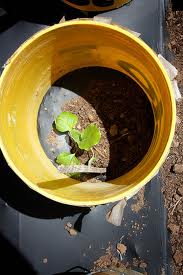
Everything from type of seed, to dates of germination and observations will allow you to learn from mistakes and keep a constant record of your garden. Keep a small garden journal to help you from year to year. Take notes from advice columns and gardening articles. Invest in some inspiring gardening books and learn everything you can about planting in your region, and about planning a useful garden.
9. Store seeds properly
Store seeds in a dry, cool place, preferably in a paper or plastic bag, and avoiding humid places to avoid molding.
8. Don’t overcrowd seeds
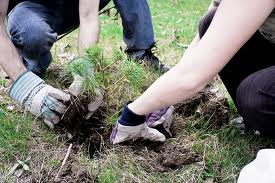
Planting seeds to close together will prevent each one from obtaining enough nutrients from the soil, making them compete and die in the intent. Separate carefully, allowing seeds enough nutrients and soil.
7. Beware of climate changes
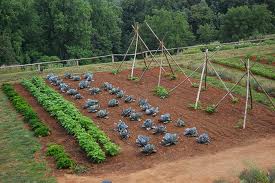
Acclimatize your plants for the warmer weather by moving them to slightly warmer spots of your house to avoid shocking them when bringing them outside. The top of the refrigerator is a good spot. You also “winter garden” with some planning and realistic expectations – you won’t be planting seeds, but you can still work your garden.
6. Starter Soil
Make sure to start with sterile soil so your seeds don’t have to fight any germs inside the soil. The soil should be a pleasant home for them, not a battlefield.
5. Even moisture
Do not overwater, but make sure the moisture is constant and even by covering with plastic wrap. This will prevent evaporation during hot climates. Find exactly the watering aids you need to germinate your seeds and to maintain healthy growth of all your garden plants at a garden supply store: rain water diverters, rain barrels, hose attachments and watering globes are options.
4. Tamp seeds into soil
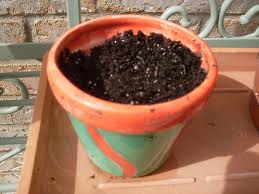
To assure the seeds are and will be attached to the soil, tamp down the seeds when layering with soil on top and bottom.
3. Allow for airflow with wide containers
Like the previous tip, wider planting containers will prevent not only overflow but allow for airflow, which seeds need to fully germinate.
2. Even sunlight (rotate)
Rotate your container so all sides and seeds get even sunlight.
1. Monitor ph levels of soil
Monitoring levels of ph in soil will allow you to document and see how your plants and seeds react to certain situations and chemicals. If you need to supplement and balance your soil, do so well in advance of planting seeds. Test your garden in the fall, then again in the spring, before your seeds will go in.
No matter the amount of tips you collect, gardening is a skill that comes with experience. You’ll learn by trial and error but the rewards you will reap, will be worth it.